

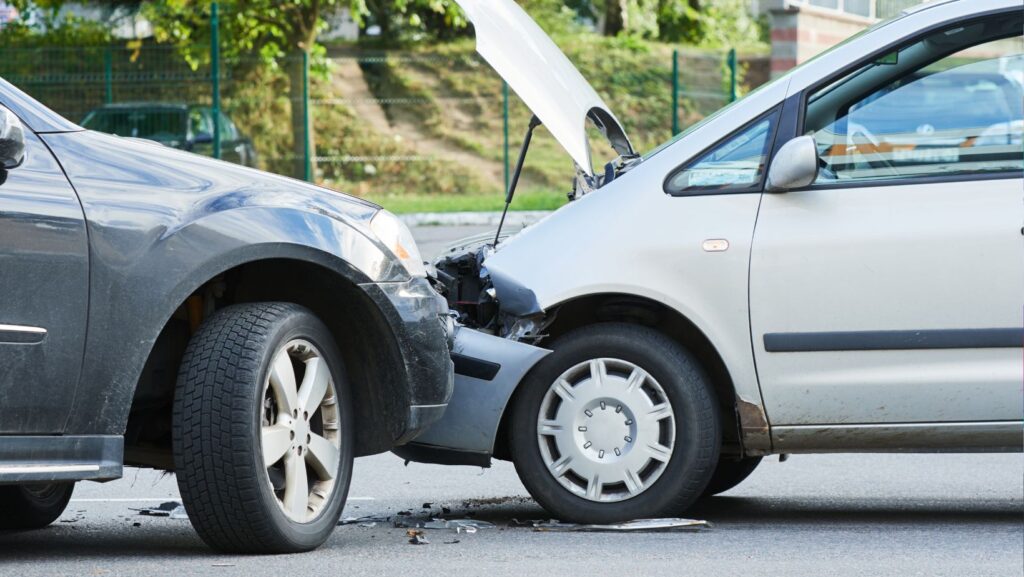
Head on crashes often happen in a matter of seconds, and the smallest mistake can set off a chain reaction that drivers cannot undo. A slight drift, a moment of distraction, or a poorly timed movement can place vehicles on a direct collision path. Because these crashes involve opposing forces, the consequences are almost always severe.
Most drivers never expect to be involved in a head on collision, yet many of these crashes stem from ordinary moments on the road. A glance at a phone, a missed curve, or a brief lapse in awareness can shift a vehicle over the center line. Once that happens, there is often no time to recover. Identifying the patterns of head on collisions show how quickly a routine drive can turn dangerous. Awareness of these triggers supports safer decisions on every type of roadway.
And the reality is, most head-on crashes don’t come from dramatic, reckless behavior — they come from everyday roadway dynamics stacking up at the wrong moment. Understanding these head on collision causes isn’t about scaring drivers; it’s about giving them the tools to recognize the early warning signs.
When you know what typically leads to these crashes, you start noticing subtle cues sooner, correcting faster, and giving yourself a wider margin of safety. That tiny bit of awareness can be the difference between a close call and a life-changing collision.
How Drifting Out of Lanes Contributes to These Collisions
Drifting out of a lane is one of the most common triggers for head on crashes. A momentary lapse in focus can cause a vehicle to cross the center line, placing it directly in the path of oncoming traffic. Because the opposing vehicles are moving toward each other, impact becomes almost unavoidable.
This drift often occurs during small distractions, such as adjusting controls or checking a device. Even a slight movement of the wheel can shift the vehicle enough to create danger. On narrow or unmarked roads, the margin for error becomes even smaller.
Recognizing how quickly lane drift can happen encourages drivers to maintain steady attention. Staying centered within the lane is one of the simplest ways to prevent these high risk collisions.
How Speeding Reduces Reaction Time
Speeding plays a major role in head on collisions because it reduces the time available to respond to sudden hazards. When a vehicle approaches a curve too quickly or misjudges distance on a two lane road, there may be no room to correct the mistake. Higher speeds shorten reaction time and extend stopping distance.
A driver traveling too fast has less control over the vehicle, especially when navigating uneven pavement or restricted lanes. Even a small overcorrection can send the vehicle into oncoming traffic. At higher speeds, these mistakes become more severe and harder to recover from.
Keeping a safe and steady pace gives drivers more time to recognize danger and adjust safely. Managing speed remains one of the most effective ways to prevent head on crashes.
How Rural Roads and Curves Increase Risk
Rural roads often carry a higher risk of head on crashes because they lack barriers, have narrow lanes, and include sharp curves that limit visibility. Drivers may not see an oncoming vehicle until it is too late to react. These conditions give little room for error when navigating turns or uneven surfaces.
Curves that tighten unexpectedly can push vehicles across the center line. When a driver enters a curve too quickly or misjudges the angle, the vehicle may drift into the opposite lane. With limited sight distance, the danger intensifies.
Staying alert and adjusting speed on rural roads reduces these risks. Understanding how curves and limited visibility interact helps drivers anticipate challenges instead of reacting too late.
How Impaired or Distracted Driving Magnifies Danger
Impaired driving slows reaction time and decreases judgment, making it far more likely for a driver to drift across lanes or misjudge distance. Alcohol and drugs affect coordination and focus, creating conditions where head on collisions become more probable. Even slight impairment can have major consequences.
Distracted driving creates similar dangers. A driver who looks away for just a moment may not notice that the vehicle is veering off its intended path. On two lane roads, this brief distraction can place the vehicle directly in front of an oncoming car.
Avoiding impairment and minimizing distractions are essential steps in preventing head on crashes. These choices give drivers the clarity and control needed to stay safely within their lane.
Conclusion
Head on crashes are often the result of small mistakes at the worst possible moment. Lane drift, speeding, limited visibility, and distraction all influence how these crashes unfold. Because the forces involved are so severe, preventing them requires heightened awareness.
Recognizing the triggers behind these collisions gives drivers a clearer sense of how quickly a routine drive can become dangerous. Adjusting speed, staying focused, and respecting rural road conditions all reduce the risk.
Understanding head on collision causes helps reinforce the importance of steady, attentive driving. These crashes may happen in seconds, but the choices made beforehand play the biggest role in preventing them.