
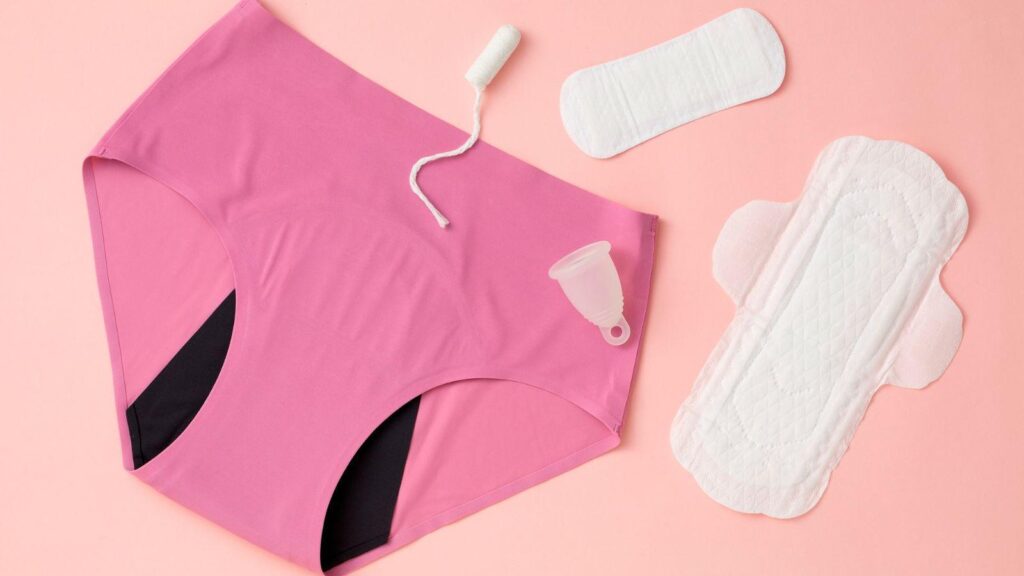
Period underwear arrived on the consumer market a decade ago as an interesting but unproven$addition to the menstrual product category. Over the last three years the format has matured into a mainstream option, supported by better fabrics, clearer capacity claims, and a broader size range. For people who find cups, discs, or tampons inconvenient on lighter days or overnight, the category now offers a reliable fallback.
Key points
- Modern period underwear typically absorbs the equivalent of several regular tampons, which is often enough for a full night or a light day on its own.
- The category has consolidated around a small number of absorbent layer technologies, which means performance between reputable brands is more similar than it used to be.
- Fit, fabric, and style have become the primary differentiators, which is why trying a small selection is usually worth the cost.
Where the format works best
Period underwear performs especially well in two contexts. The first is overnight use, where the combination of full coverage and high capacity reduces the risk of leaks in a way that tampons and pads struggle to match without waking the user to change them. The second is light days at the start or end of a cycle, where inserting a cup, disc, or tampon is inconvenient relative to the volume of flow. Across both use cases, period panties offer a straightforward, comfortable alternative that does not require any additional products.
Combining formats across a cycle
Most regular users settle on a combination rather than a single format. A common pattern is a high capacity cup or disc on heavy days, period underwear overnight and on light days, and a backup plan for situations where a bathroom is not accessible. The combination approach reduces the risk of a mismatch between the product’s capacity and the actual flow, which is where most leaks happen.
Cost and environmental case
A quality pair of period underwear costs more upfront than a box of disposable pads, but the lifetime cost per wear comes out significantly lower over a typical three year ownership window. The environmental case is similarly strong. A user who replaces disposables with a small rotation of reusable underwear will divert a meaningful volume of material from landfill across the same period.
Conclusion
Period underwear has earned its place as a core category in modern menstrual care. The format is not a complete replacement for internal products, but it is the most reliable overnight and light day option on the market, and the combination of comfort, capacity, and environmental profile makes a small starter set one of the highest return purchases in sustainable period care.