
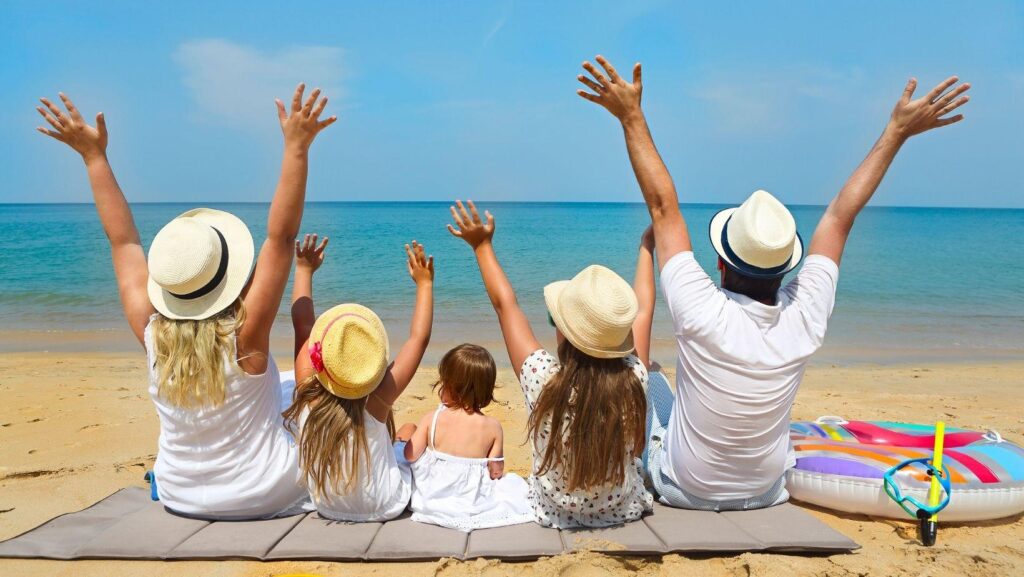
Coordinated family outfits on vacation have moved well past the era of identical polos and stiff khakis. The modern approach is less about uniformity and more about visual cohesion, where everyone looks like they belong together without looking like they stepped off a catalog page. Getting that balance right takes some planning. But the payoff shows up in every photo from the trip.
Why Coordination Works Better Than Matching
In a SightX consumer study, 66% of respondents said they were planning a family vacation, making it the most popular type of trip across all age groups. That is a lot of families thinking about how to show up together, and coordinated outfits are one of the most practical ways to build a shared visual identity without over-engineering it.
From a social psychology angle, matching outfits are more than a fashion statement. They function as a symbol of unity, intimacy, and shared identity. On a practical level, when navigating busy theme parks, crowded beaches, or packed tourist areas, a distinctive coordinated color palette makes it much easier to spot family members quickly, which provides real peace of mind during active vacation days.
The goal, though, is coordination. Not costuming. Those are two very different things.
Start With a Color Palette, Not a Matching Set
The single most effective decision a family can make is choosing two or three anchor colors and building every outfit around them. Coordinating almost always beats exact matching. Pick a shared palette of two to three colors and let each person wear different garment styles within it. That creates visual harmony without the catalog-shoot stiffness.
The best colors for family photos tend to be soft neutrals like cream, beige, and tan; navy blue; soft pastels including dusty blue, blush pink, and sage green; and white. These tones complement natural backdrops without competing for attention.
Distribute Colors, Don’t Duplicate Them
Once the palette is set, spread it across family members rather than putting everyone in the same shade. One person anchors in the darkest tone, another carries the lightest, and the rest fall somewhere in between. This creates depth in photos and keeps the group from blending into a single flat block of color.
Mix Patterns and Solids Deliberately
Matching patterns across outfits, whether stripes, florals, or tropical prints, adds cohesion without tipping into uniformity. A useful rule: if one person wears a print, the people standing closest to them in the photo wear solids from the same palette. This keeps the eye moving across the group rather than snagging on one busy pattern.
Avoid Common Color Mistakes
Neon or fluorescent colors, large logos or brand names, all-black outfits in direct sun, patterns that clash with each other, and mismatched formality levels within the group are all worth avoiding. A sundress next to gym shorts will always look unplanned, no matter how well the colors line up.
Factor in the Destination
A palette that works at the beach may fall flat in a mountain town or a city. The backdrop matters. Coastal settings offer a natural canvas of blues, tans, and whites, and outfits should complement rather than fight that. Soft blues and whites create a classic coastal look that photographs well against both sand and sea.
For city trips or national parks, earth tones and muted greens read naturally against architecture and foliage. Tropical destinations give families more room to play with color and print. Matching the palette to the setting makes the whole look feel thought-out rather than imported from somewhere else.
Use One Shared Piece to Anchor the Group
One of the most underrated coordination strategies is choosing a single shared item that every family member wears, then letting everything else vary. This could be a hat, a shoe color, a specific accessory, or a piece of clothing with a shared graphic. The shared element creates instant visual unity while the rest of the outfit stays personal.
Shared accessories, a common hat style, shoe silhouette, or bag, can tie a look together far more subtly than matching clothing. Complementary silhouettes, garment shapes that echo each other without being identical, give the group a cohesive feel without sacrificing individuality.
This is where custom graphic tees come in as a practical anchor piece. A single printed design worn by every family member, paired with each person’s own shorts, pants, or skirts in coordinating colors, threads the group together without making anyone look identical. The shirts carry the shared identity. The rest of the outfit carries the individual.
Handle Multi-Generational Groups Differently
Multi-generational travel, where grandparents, parents, and children vacation together, is growing fast. Studies show that over 50% of parents plan to travel with grandparents and children, often choosing beach vacations or cultural attractions. Coordinating outfits across three generations calls for a more flexible approach than dressing a single nuclear family.
When grandparents join the trip, coordinated color schemes work better than identical patterns. Assign sub-palettes by family unit, where each household shares one color with the larger group while keeping silhouettes and styles age-appropriate. A grandmother in a linen blouse and a toddler in a romper can both wear the same shade of sage green and look completely natural together. It works because the color connects them, not the cut.
Coordinating ten to twenty people without looking like a company retreat requires a clear strategy. The key is assigning a shared color anchor across all family units while allowing variation in silhouette and pattern.
Plan Ahead and Keep It Practical
Family travel trends show a significant rise in multi-generational trips, reflecting a growing appetite for shared experiences and bonding time. Coordinated outfits are one tangible way to support that intention, but they require a few weeks of lead time to pull off without stress.
A solid planning checklist looks like this:
- Decide on two to three anchor colors at least three to four weeks before the trip
- Check each family member’s existing wardrobe for pieces that already fit the palette
- Identify gaps and shop for basics, not full sets
- Order any custom or printed items at least two weeks before departure to allow for production and shipping
- Do a group fitting or photo test at home before leaving
The goal is coordination, not perfection. Choosing a cohesive palette, planning destination-appropriate outfits, mixing styles thoughtfully, and keeping comfort in mind will get a family to visually appealing and memorable vacation looks without anyone dreading the process.
The Takeaway
Coordinated vacation outfits work because they reflect something real: a group of people who chose to show up together. The families that pull it off best are not the ones who bought identical sets. They are the ones who picked a palette, thought about the destination, and gave each person room to wear something that actually fits them. That mix of shared intention and individual comfort is exactly what makes the photos worth keeping.