
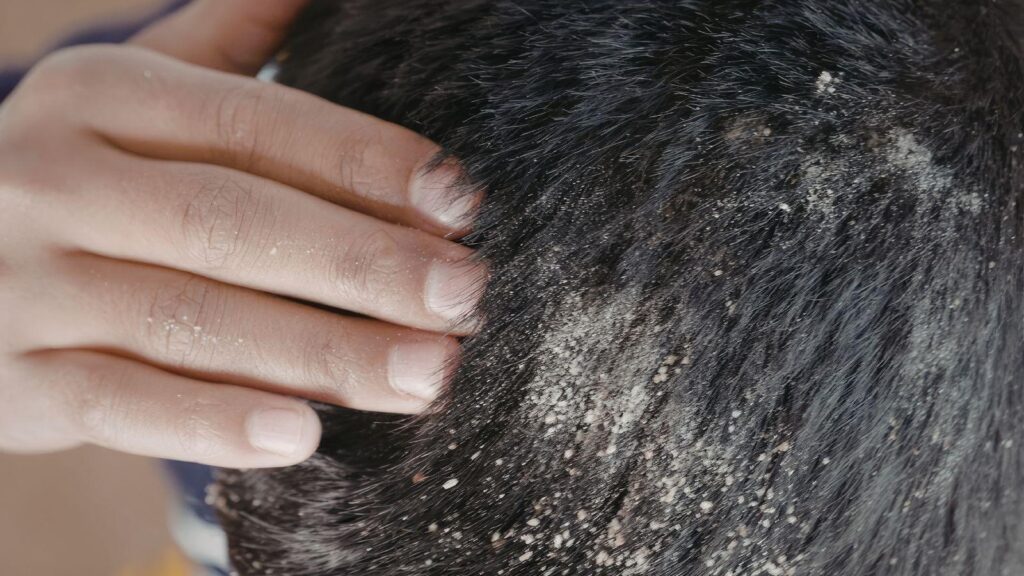
Dandruff is one of the most common scalp conditions worldwide, affecting roughly half of adults at some point in their lives. The shampoo aisle has expanded to match that prevalence, which helps but also makes it harder to work out which product is worth buying. The answer usually comes down to matching the active ingredient to the underlying cause, and understanding that the best results come from consistency rather than one off treatment.
Key points
- Most dandruff is driven by an overgrowth of a naturally occurring scalp yeast called Malassezia, which responds to a small number of well studied active ingredients.
- The five most effective active ingredients are pyrithione zinc, selenium sulfide, ketoconazole, salicylic acid, and coal tar, each suited to slightly different presentations.
- Consistency matters more than brand switching. Most effective protocols involve using an anti dandruff shampoo two or three times a week for several weeks before evaluating results.
Matching the ingredient to the presentation
Pyrithione zinc and ketoconazole are the most common choices for typical dandruff and seborrheic dermatitis, because they target the Malassezia overgrowth directly. Selenium sulfide offers a similar mechanism and is often used as a rotation option. Salicylic acid works by lifting the visible flakes and is useful when buildup is the dominant symptom. Coal tar slows skin cell turnover and is effective for more resistant presentations. Looking at an ingredient label and matching it to the specific symptom is usually more productive than choosing on brand alone.
Finding a product that works
A shampoo positioned as the dandruff shampoo typically combines one of the primary actives with a conditioning base that keeps the hair feeling clean rather than stripped. That second factor matters because the most effective actives can leave hair feeling dry if they are not balanced with a good formulation, and users who dislike how a shampoo leaves their hair will stop using it long before it has had time to work.
Using it correctly
Two habits improve outcomes substantially. The first is leaving the shampoo on the scalp for at least three to five minutes before rinsing, which gives the active ingredient time to work. The second is using the shampoo consistently for four to six weeks before deciding whether it is effective. Dandruff treatment is not immediate, and switching products every week is a common pattern that sabotages otherwise effective choices.
Conclusion
The best anti dandruff shampoo is the one with the right active ingredient for the presentation, formulated in a way the user is happy to use regularly. Matching the ingredient to the symptom and staying with a product for a reasonable trial period are the two decisions that determine whether the treatment works.