
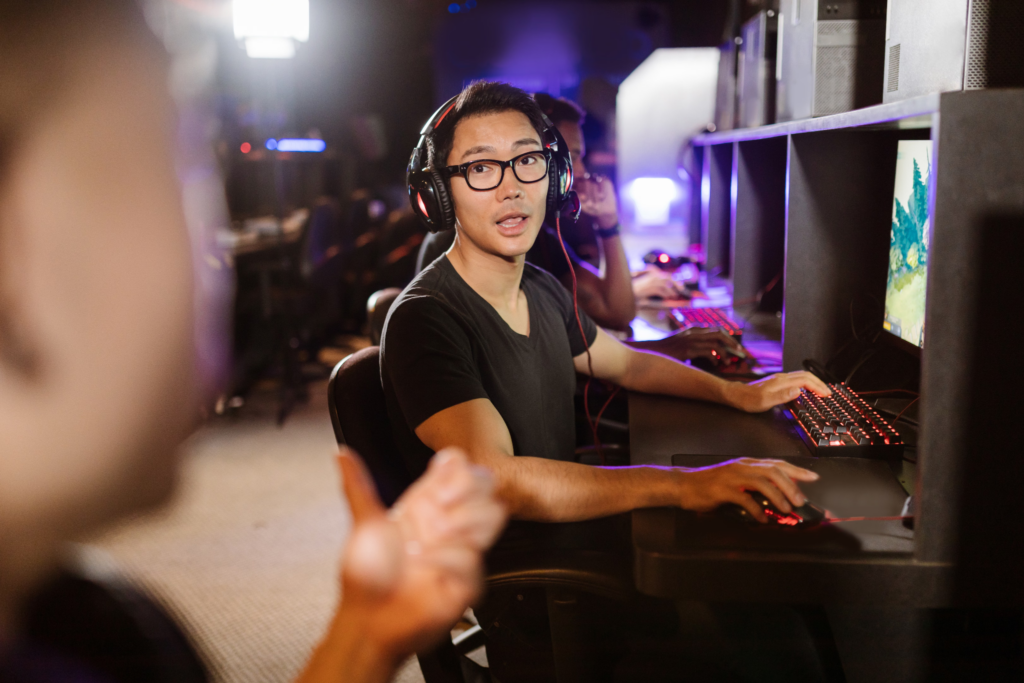
More than 3.3 billion people play video games. The research says gaming can relieve stress and build connections. But the same studies show that how you play matters just as much as why you play. Here’s what the science actually says about it.
Gaming is the new normal for a generation that was basically born with a game controller in their hand. It’s estimated that more than 90% of young adults play games are actually still playing online games regularly. The numbers aren’t the only thing that is important to consider here.
Gaming’s relationship with health bends and curves depending on when you play, what you play, and why you keep coming back. Science is catching up with culture, and the findings might surprise you. The crash game aviator, a stripped‑down game of one rising line and one choice, makes modern gaming thrilling and worth examining carefully. You can find it on platforms like Betway, where players bet as little as R1 and watch a multiplier climb until they decide to cash out or risk losing everything. Potential payout reaches up to R5,000,000, carrying a 97% return‑to‑player percentage.
The zen of action. The only moving parts: a little red plane, and a counter climbing and climbing until it won’t anymore. Strip away the distractions and you’re left with pure decision making. And make that decision, again and again, and you could start making changes to your brain and your stress levels.
Science Says Gaming Offers Real Benefits but Carries Real Risks
According to a recent scientific review published in MDPI, the daily average activity time for daily gamers is 30% lower than non-gamers. The short term stress relief, companionship and sense of achievement can’t be ignored though. Long term of over-playing may lead to inactivity, unhealthy diet, disrupted sleep and etc.
Plenty of variables twist the outcomes: age, sex, duration, timing, content, motivation. A midnight teen shooter hits differently than a noon puzzle break. Cognitive absorption scrambles appetite and sleep (a state where you lose track of time, the review notes). Temporal displacement means you’re not moving or cooking. Ever notice you crave snacks after a long session? University students gaming over 3 hours daily sleep worse; 84% of gamers miss fruit and veg targets and consume more energy. During‑meal gaming reduces fullness and spikes snacking. Researchers note major gaps remain. Longitudinal studies are scarce and gaming behavior gets measured inconsistently across studies. Understanding those forces becomes critical when you strip a game down to a single rising number.
How Aviator’s Rising Multiplier Hijacks Your Decision‑Making
Crash games pull a curious trick on your brain. Aviator strips down to a climbing multiplier until you cash out or the plane flies off. No reels, no cards: just a number. Bet as little as R1 or chase up to R5,000,000; a social feed showing others’ cash‑outs adds peer pressure. A 97% RTP figure doesn’t capture the psychological ride (and no metric really does).
Each tick of the clock, gametime and responsible bankroll battle it out. Cognitive absorption deepens because feedback is instant. Here’s a breakdown of the five forces at work:
- You feel control even though the outcome is random.
- Watching others cash out or bust creates social proof that sways your choice.
- Once you bet, the sunk cost fallacy makes you reluctant to walk away.
- Near‑misses and last‑second exits deliver dopamine spikes that reinforce play.
- Rising multipliers produce an emotional swing that clouds rational judgment.
None of these mechanisms are unique to Aviator, but minimalism makes them visible. Such clarity turns it into a lens for understanding crash games’ mental impact. How does that constant tension affect your stress levels over an hour of play?
Small Changes in Habits Keep Gaming Enjoyable and Healthy
Maybe you just closed a action-packed and exciting Aviator session and your heart’s still tapping from a big win.
Listening to calming music for 30 minutes lowers cortisol 25‑30%, boosts dopamine, and reduces adrenaline: a fast reset. MDPI highlights three factors you can adjust: duration, timing, content. Set a 60‑minute timer; stand every 30 minutes. Keep water and fruit nearby; 84% of gamers miss targets and during‑meal gaming reduces satiety. Gaming after 8 pm delays sleep onset 28 minutes, so play single‑player earlier in the evening. Reflect on motivation: stress, connection, distraction; they alter health impact. Mindful play changes everything.
Three Practical Tweaks That Work
- Set a fixed end time for each session and stick to it.
- Replace sugary drinks with water and keep fruit within arm’s reach.
- End play at least 90 minutes before bed to protect sleep quality.
Playing aviator with a few guardrails turns a simple crash game into a tool for staying sharp, easing tension, and protecting your sleep. Recovery matters as much as the game. Pacing yourself and prioritizing your mental health keeps the fun sustainable.