
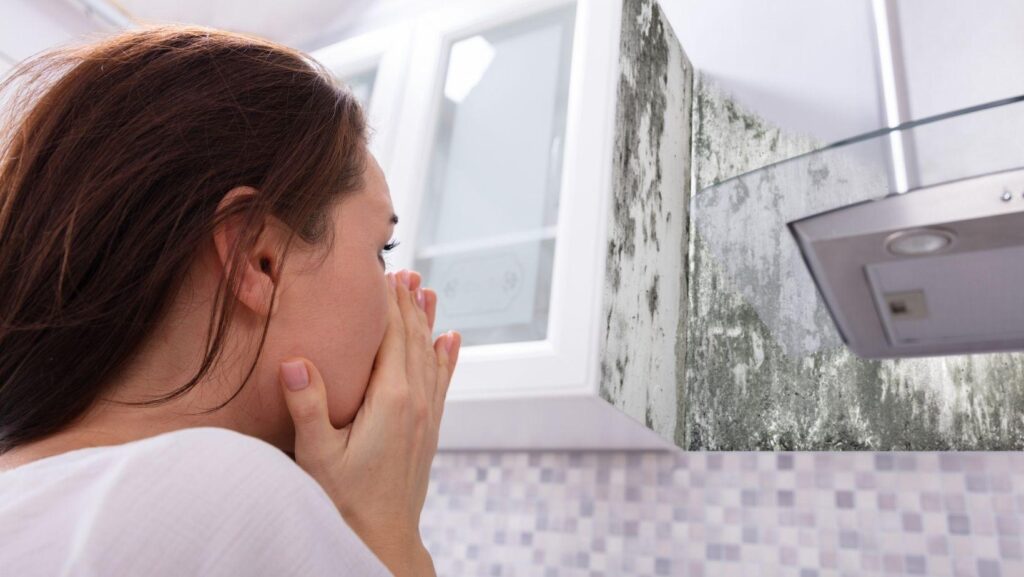
Most people think of wellness as something you build through habits. You eat better, train harder, manage stress, and try to stay consistent. But there’s a piece that often gets overlooked, and it’s not inside your routine. It’s inside your home.
Your environment plays a direct role in how you feel day to day. Air quality, moisture, and ventilation all impact how your body functions. When hidden mold is present, especially in homes affected by water damage in Toronto, it can quietly interfere with your sleep, energy, and even how your body responds to workouts.
This isn’t about extreme claims. It’s about understanding how your environment can influence your baseline, and what changes when that environment improves.
Why Mold Is Often Missed in Wellness Conversations
Mold does not always show up in obvious ways. It thrives in damp, enclosed spaces like basements, behind walls, inside HVAC systems, and under flooring. It often begins after leaks, condensation, or unresolved water damage in Toronto, then spreads slowly over time.
Because of this, many people live with low-level exposure without realizing it. The issue is not always severe illness. In fact, for most people, the effects are subtle. Mold exposure is commonly linked to symptoms like congestion, irritation, and skin reactions, especially in sensitive individuals.
That’s where it becomes relevant to lifestyle. Subtle symptoms are the ones that tend to get ignored or misattributed to stress, poor sleep, or diet.
What Changes When Air Quality Improves
When hidden mold is identified and addressed, one of the first noticeable shifts is in how the home feels. The air becomes lighter. The musty smell disappears. Breathing feels easier.
This matters more than it sounds. Mold releases spores into the air, and those spores circulate throughout your living space. When that exposure is reduced, your body is no longer constantly reacting to those particles.
From a wellness perspective, this creates a more stable baseline. Instead of your body managing low-level irritation, it can focus on recovery, energy production, and normal daily function.
Skin: Irritation, Breakouts, Flare-Ups
Skin is often one of the first places where environmental changes show up. While mold is not a direct cause of acne or specific skin conditions, it can contribute to irritation or flare-ups in people who are sensitive.
Research shows that mold exposure can trigger immune responses and inflammatory reactions, which may include skin irritation or rashes.
When the source of exposure is removed, that constant irritation may reduce. For some people, this means fewer unexplained flare-ups or less reactive skin overall. It is not a cure or a guaranteed outcome, but it is a shift that aligns with improved indoor air quality.
Energy: Sleep and Respiratory Wellness
Energy is one of the most noticeable changes when indoor conditions improve. This is not because mold directly drains energy, but because of how it affects sleep and breathing.
Studies have found that exposure to mold-related odors and environments is associated with sleep disturbances, including difficulty staying asleep and increased daytime fatigue.
When your sleep quality improves, everything else tends to follow. You wake up more rested, your focus improves, and your overall energy levels feel more consistent.
In homes where moisture and mold issues are tied to water damage in Toronto, addressing the root cause often leads to noticeable improvements in how people feel day to day.
Fitness: Why Workouts Feel Different
Fitness is closely tied to recovery, breathing, and energy levels. If any of those are slightly off, your performance can feel inconsistent.
When indoor air quality improves, breathing becomes more efficient. Mold exposure has been linked to respiratory irritation and inflammation, which can impact how easily you take in oxygen during physical activity.
Once that irritation is reduced, workouts can feel more manageable. You may notice better endurance, more consistent performance, and improved recovery between sessions.
Again, this is not about dramatic transformations. It is about removing a hidden variable that may have been holding you back without you realizing it.
Consider Your Home as Part of Your Routine
The key takeaway is not that mold is the cause of every issue. It’s that your home environment is part of your overall wellness system.
You can optimize your diet, training, and sleep schedule, but if your environment is working against you, progress may feel slower or less consistent. Moisture, ventilation, and indoor air quality all play a role in how your body responds to your routine.
In cities like Toronto, where seasonal humidity, older homes, and basements are common, these factors become even more relevant. Hidden issues tied to water damage in Toronto can exist without being obvious, making them easy to overlook.
Tackling Mold Can Improve Your Personal Wellness
If something feels off and you cannot explain why, it may be worth looking beyond the usual factors. Your environment is one of the few variables that affects you constantly, whether you are aware of it or not.
Improving air quality, addressing moisture issues, and resolving hidden mold is not just about protecting your home. It is about creating a space that supports how you want to feel every day.
Wellness is not only built in the gym or the kitchen. It is also built in the spaces you spend the most time in. Whether there is an infestation in your home or business, it’s important for professional mold removal to be on your radar.