
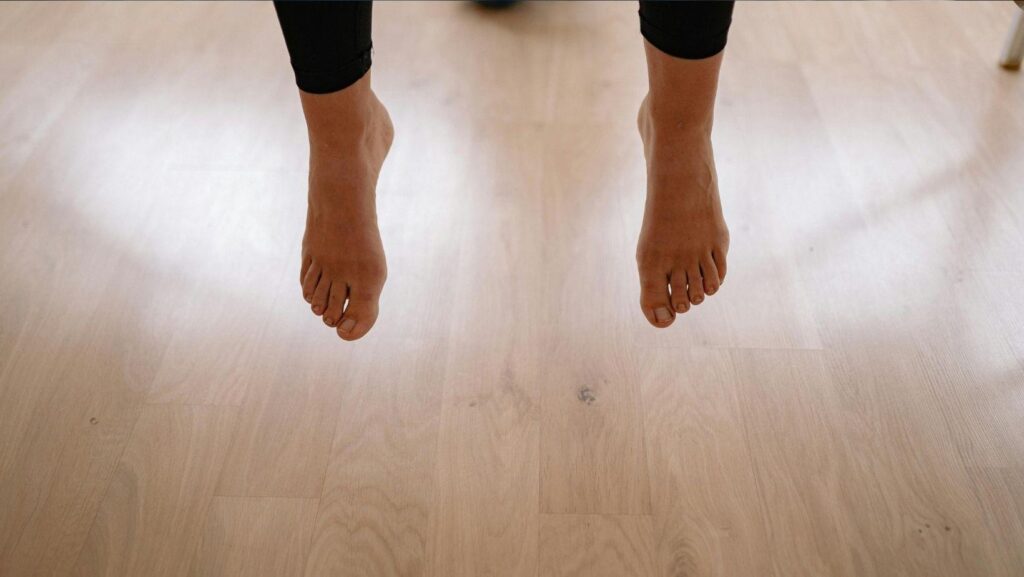
Foot pain rarely starts with a single injury. In most cases, it builds over time through small, repeated habits that put stress on your feet every day. Research shows that foot pain affects 13% to 36% of the general population, making it a common but often ignored issue. The problem is not just what you do occasionally, it’s what you do daily without thinking. Here are the habits that quietly contribute to foot pain and what you can do to fix them.
1. Wearing the Wrong Shoes Every Day
Your shoes directly control how force is distributed across your feet. Wearing tight shoes, flat, unsupportive soles, or worn-out footwear increases pressure on specific areas like the heel or arch. Over time, this leads to inflammation and pain. What to do:
-
Choose shoes with proper arch support and cushioning
-
Avoid completely flat soles for long hours
-
Replace worn-out shoes before they lose structure
-
Even minor improvements in footwear can significantly reduce strain.
If you’re experiencing foot pain due to wearing the wrong shoes, it’s worth getting evaluated by a chiropractor. Benefits of chiropractic care for foot pain include improving alignment and reducing stress caused by poor footwear habits.
2. Standing for Long Hours Without Support
Standing might seem harmless, but doing it for hours, especially on hard surfaces, puts constant pressure on your heels and forefoot. This leads to:
-
Heel pain, which is often linked to plantar fascia strain
-
Swelling and fatigue
-
Reduced shock absorption
Instead, you should:
-
Shift your weight frequently instead of standing still
-
Use cushioned mats if possible
-
Wear supportive footwear instead of sandals or slippers
3. Ignoring Your Walking Pattern
Most people never think about how they walk, but poor walking mechanics can overload certain parts of the foot. Common issues include:
-
Overpronation (rolling inward)
-
Walking too heavily on the heels
-
Uneven weight distribution
Here’s what you can do instead:
-
Pay attention to how your shoes wear out
-
Walk with even pressure from heel to toe
-
Consider a gait assessment if pain persists
Fixing your walking pattern can reduce long-term stress on joints and soft tissues.
4. Skipping Stretching and Foot Movement
Your feet contain muscles and tendons that need regular movement. Sitting all day or jumping straight into activity without stretching causes stiffness. This stiffness increases:
-
Risk of tendon irritation
-
Reduced flexibility in the arch
-
Pain during the first steps in the morning
What to do:
-
Stretch your calves and arches daily
-
Roll your foot over a ball for two to three minutes
-
Move your toes and ankles regularly if you sit a lot
Simple mobility work keeps tissues flexible and less prone to injury.
5. Carrying Excess Body Weight
Your feet carry your entire body weight. Even small increases in weight significantly increase pressure on foot structures. This is why higher body weight is strongly linked to foot pain in multiple studies. Instead, you should:
-
Focus on gradual, sustainable weight management
-
Reduce high-impact activities if you’re in pain
-
Combine walking with low-impact exercise like cycling
-
Less pressure on your feet means less strain over time.
6. Wearing Unsupportive Footwear at Home
Many people switch to slippers or go barefoot at home, thinking it gives their feet a break. In reality, it often removes needed support. Hard floors combined with no cushioning can:
-
Increase heel stress
-
Aggravate arch pain
-
Delay recovery from existing issues
What to do:
-
Use supportive indoor footwear
-
Avoid walking barefoot on hard surfaces for long periods
-
Recovery matters just as much as activity.
Endnote
Foot pain usually develops from everyday habits that seem harmless but add up over time. The good news is that most of these habits are easy to fix once you recognize them. Start small by changing your shoes, adjusting how you stand, and adding simple stretches. These changes reduce pain and prevent it from coming back.