

For many families, dental care decisions are not only about health,they are also about managing costs. A sudden toothache or swelling often leads people to search online for “wisdom tooth extractions near me”, hoping to find quick relief and a clear understanding of what treatment may cost.
But dental expenses rarely involve just one procedure. When a tooth problem is ignored for too long, it can lead to a chain of treatments that affect both oral health and long-term budgets. Understanding how extraction costs compare with restorative treatments can help patients make smarter choices before problems escalate.
Taking a proactive approach to dental care is often the most practical way to protect both your smile and your finances.
Why Wisdom Teeth Often Require Removal
Wisdom teeth are the final molars to develop, typically appearing in the late teenage years or early adulthood. Because the jaw often does not have enough space for these teeth, they may grow at awkward angles or remain partially trapped beneath the gums.
When this happens, problems such as infection, swelling, and crowding can occur. Dentists often recommend removal to prevent further complications. At this stage, many patients begin researching the wisdom tooth extraction cost to understand what treatment might involve.
Several factors can influence the total cost of treatment, including:
- Whether the tooth is impacted
- The complexity of the removal procedure
- Sedation or anesthesia needs
- Diagnostic imaging requirements
- Insurance coverage
Although removing a problematic tooth may seem costly initially, early treatment often prevents more complicated and expensive dental issues later.
When Delaying Treatment Becomes Risky
Dental infections do not usually resolve without treatment. If a wisdom tooth remains infected or impacted for too long, bacteria can spread to surrounding tissues and even affect neighboring teeth.
In these situations, dentists may need to perform emergency tooth extractions to remove the infected tooth and prevent further complications.
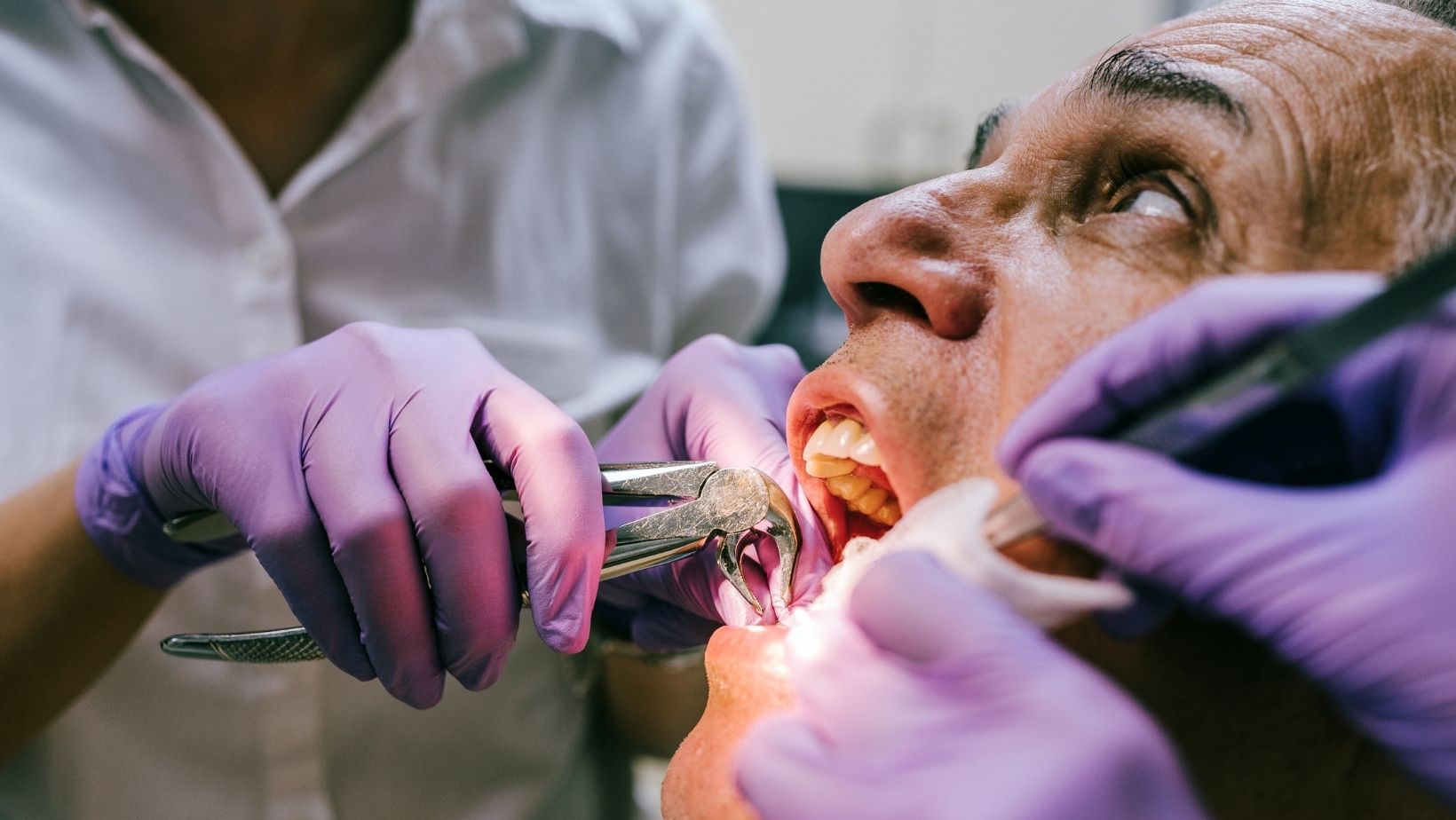
Emergency procedures often involve additional diagnostic steps and urgent scheduling, which can increase treatment costs. Many patients who eventually need urgent care first begin searching for tooth extractions Houston services after symptoms become severe.
This is why dentists frequently encourage early evaluation when wisdom teeth begin causing discomfort.
The Financial Impact of Tooth Loss
Removing a problematic tooth can solve immediate pain, but it may also create long-term challenges. When a tooth is lost, surrounding teeth can gradually shift into the empty space, affecting bite alignment and chewing function.
In some cases, dentists may recommend restorative treatments to maintain proper dental structure. This is when patients often begin researching questions such as how much does a bridge cost or exploring options to replace missing teeth.
These restorative procedures are designed to restore both function and appearance, but they can add additional costs if treatment is delayed.
Comparing Restorative Treatment Costs
Dental restorations can play an important role in repairing damage caused by infection or tooth loss. However, restorative procedures are often more expensive than preventive treatment.
For instance, when a damaged tooth requires protection, dentists may recommend a crown. Patients evaluating treatment options often look into the dental crown cost associated with restoring tooth structure.
Similarly, the crown tooth cost may increase if additional work is required to repair surrounding teeth affected by infection.
When a missing tooth needs replacement, dentists may recommend bridges or other restorative solutions. Patients researching treatment options frequently examine the dental bridge cost to understand the financial impact of replacing lost teeth.
Dentists often use educational examples showing before and after dental bridge cases to help patients understand how untreated dental issues can progress into larger restorative treatments.
These examples illustrate a simple principle: addressing problems early often costs less than repairing advanced damage.
How Technology Helps Prevent Unexpected Costs
One of the biggest advances in modern dentistry is the ability to diagnose problems earlier than ever before. Digital imaging systems allow dentists to see detailed views of the teeth and jawbone, helping identify infections, impacted teeth, or bone changes before they cause serious symptoms.
These diagnostic tools help dentists determine whether a tooth can be treated conservatively or whether removal is the safest option.
Early diagnosis also allows patients to address dental issues before they become emergencies, reducing the likelihood of costly treatments later.
For families managing dental expenses, this level of diagnostic precision can make a significant difference in long-term treatment planning.
Making Smarter Dental Decisions
Managing dental costs effectively requires looking beyond immediate treatment. Preventive care, regular dental visits, and early diagnosis all play an important role in reducing the likelihood of complex procedures.
Patients who maintain consistent dental care are less likely to face unexpected dental emergencies or extensive restorative treatments.
Instead of reacting to problems only when pain appears, a proactive approach allows patients to maintain healthier teeth and avoid sudden financial surprises.
Taking Control of Your Dental Budget
One of the most effective ways to protect both your oral health and your finances is to address dental concerns early. Routine dental visits and timely evaluations allow dentists to identify potential issues before they become serious problems. If you are researching wisdom tooth extractions near me or comparing treatment options, consulting a trusted provider can help you understand the full picture before making a decision. Clinics such as Next Care Dental Houston, where Dr. Harsh focuses on preventive diagnostics and practical treatment planning, help patients evaluate their options and address dental concerns before they develop into more complex or costly procedures.