
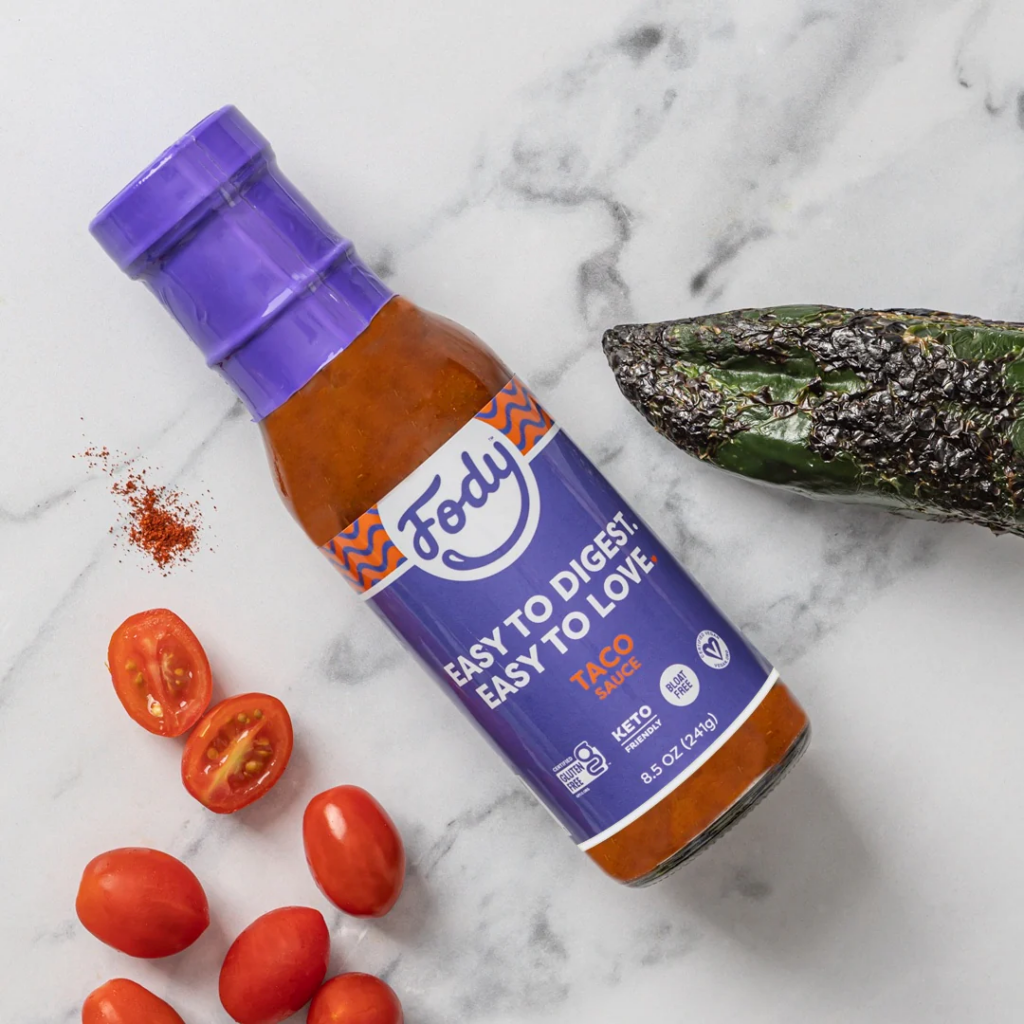
Meal prep is supposed to make life easier. You cook once, eat all week, and save time, money, and energy. But for many people following a Low FODMAP way of eating, meal prep often turns into a cycle of bland repeats—plain proteins, basic grains, and vegetables that all start to taste the same by day three.
The problem usually isn’t the ingredients. It’s the lack of variety in flavor.
Sauces are the missing link between practical meal prep and meals you actually look forward to eating. With the right Low FODMAP sauces, the same base ingredients can become completely different meals throughout the week—without extra cooking or complicated planning.
Why Sauces Matter So Much for Low FODMAP Eating
Many traditional sauces rely heavily on onion and garlic to build flavor. When those are off the table, it’s easy to fall back on salt, oil, and herbs—and call it a day. Over time, that simplicity can start to feel restrictive.
Low FODMAP sauces made without onion and garlic offer something important: reliable flavor without guesswork. Instead of adjusting recipes or skipping sauces altogether, you can build meals around flavors that already work for your needs.
The “One Prep, Seven Meals” Approach
Smart meal prep starts with neutral building blocks:
- Roasted vegetables
- Cooked rice, quinoa, or potatoes
- Simple proteins like chicken, fish, tofu, or eggs
Once those are ready, sauces take over.
A single tray of roasted vegetables can become:
- A pasta-style bowl with a tomato-based sauce
- A grain bowl finished with a savory dressing
- A quick skillet meal tossed with a bold, sweet-savory sauce
Instead of cooking multiple meals, you’re just changing how they’re finished.
Sauce Categories That Transform Meal Prep
Rather than thinking about individual recipes, it helps to organize sauces by how you’ll use them.
Tomato-Based Sauces
These are ideal for pasta, baked dishes, and skillet meals. They add depth and richness to otherwise simple ingredients and work well with both plant-based and animal proteins.
Sweet-Savory Sauces
Perfect for rice bowls, roasted vegetables, and quick pan meals. These sauces help recreate comfort-food flavors while keeping prep minimal.
Dressings That Go Beyond Salad
Salad dressings can double as marinades, drizzles for warm bowls, or dipping sauces for proteins and vegetables. They’re one of the easiest ways to add variety without extra steps.
Bold, Global-Inspired Sauces
When meal prep fatigue sets in, sauces inspired by global flavors can bring excitement back to familiar ingredients. A small amount can completely shift the personality of a dish.
Portioning for Flexibility, Not Repetition
To keep meals fresh:
- Store sauces separately from bases
- Use small containers to control portions
- Add sauce just before eating when possible
This approach keeps textures better and gives you control over how bold each meal feels.
Meal Prep That Fits Real Life
The goal of Low FODMAP meal prep isn’t perfection—it’s sustainability. Meals should feel easy, flexible, and enjoyable enough that you don’t dread opening the fridge.
Sauces make that possible. They let you repeat ingredients without repeating experiences, which is the key to sticking with any routine long-term.
Common Meal Prep Pitfalls (and How Sauces Solve Them)
Even with good intentions, meal prep can start to feel repetitive for a few predictable reasons. One of the biggest issues is prepping everything the same way—same seasoning, same cooking method, same final result. When every protein is roasted plain, and every grain is served unseasoned, meals blur together quickly.
Another common pitfall is committing too early to a single flavor. Saucing everything upfront might seem efficient, but it locks you into one taste for the entire week. By day three, even a meal you liked on day one can start to feel unappealing.
Low FODMAP sauces help address both problems. Keeping sauces separate allows you to prep once while still leaving room for variety. The same roasted vegetables can feel completely different depending on what you add at the end, and a neutral protein becomes more versatile when it isn’t tied to one flavor profile.
Instead of changing what you cook, sauces change how you experience it—and that’s what keeps meal prep interesting over time.
How to Build a “Mix-and-Match” Low FODMAP Meal Prep System
A mix-and-match approach is one of the easiest ways to make meal prep feel less rigid and more flexible. Rather than prepping full meals, you prep components that can be combined in different ways throughout the week.
Start with:
- One or two proteins
- Two or three vegetables
- One or two grains or starches
Then layer in sauces based on what you’re in the mood for that day.
For example, a bowl built around rice and roasted vegetables can be a hearty one-night with a tomato-based sauce, then shift toward something lighter the next with a dressing. Proteins can be served warm, cold, or repurposed into wraps or salads, depending on the sauce used.
This system works especially well for Low FODMAP eating because it minimizes decision fatigue. You’re not constantly figuring out what’s safe to eat—you’re just choosing how you want it to taste.
When meal prep feels flexible instead of fixed, it becomes much easier to stick withit week after week.
How Fody Foods Fits Into Flavor-Forward Meal Prep
Fody Foods focuses on making Low FODMAP sauces and condiments that work with everyday cooking—not just special occasions. Having dependable options on hand means you don’t need to reinvent meals or compromise on flavor.
Whether you’re building pasta bowls, grain bowls, or simple roasted vegetable plates, our sauces can streamline meal prep and keep meals interesting throughout the week. They’re designed to plug directly into real-life routines, making Low FODMAP cooking feel more approachable and less repetitive.
Conclusion
Bland meal prep isn’t a requirement of eating Low FODMAP—it’s usually just a sauce problem. With a few well-chosen sauces, you can turn simple ingredients into meals that feel varied, satisfying, and worth prepping again next week.