
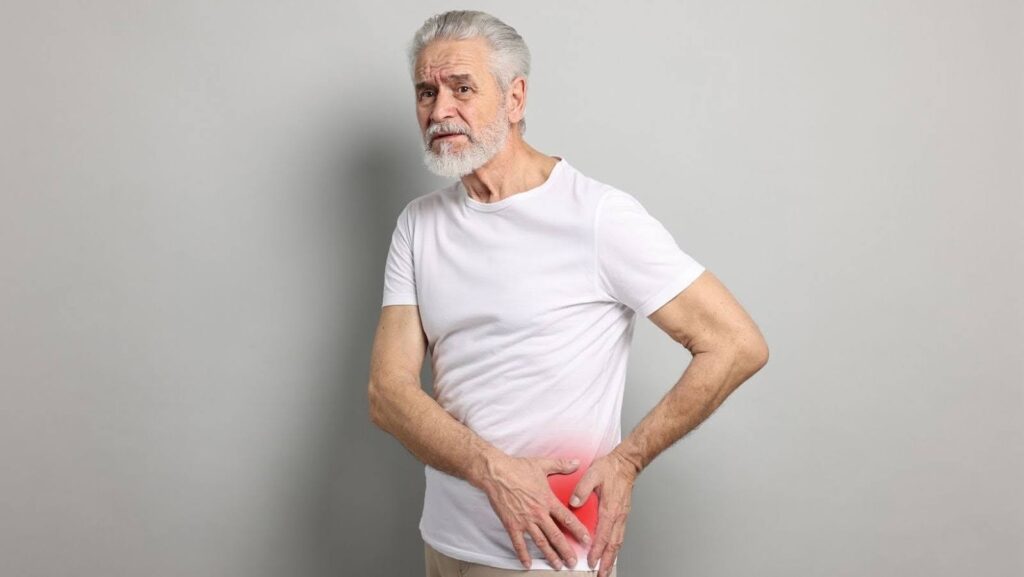
Caregivers and family members do not pay a lot of attention to overexertion in elderly individuals with movement difficulties as it is a grave problem. The body is aging and therefore physical capability fades and once easy things become laborious or even hazardous. Overworking the elderly might result in traumas, a lengthy healing process, and the general loss of quality of life. Making sure of the risks, and putting measures to the overexertion is the way to stay safe and independent.
Understanding Physical Limitations in Seniors
The elderly people, who suffer as a result of mobility problems, usually have other underlying health conditions that make them even less energetic and strong. Other conditions like arthritis, osteoporosis and cardiovascular disease may leave even simple movements very demanding. These people become prone to falls, muscular tensions, and injury of the joints when they engage in activities that are beyond their physical capability. It should be noted that their restrictions are not the issue of precaution only, but the aspect of actual changes in the physiological body.
Understanding these limitations makes the caregivers change their activities and create attainable expectations. Even a simple activity such as walking a short distance or standing over a long duration of time can prove to be much more challenging than it would seem like. Overcoming the risk of overexertion may be achieved through the use of such resources as mobility scooters on the longer routes so that seniors could be active but at the same time should not be exposed to threats. The attentive monitoring of the level of fatigue and the state of responsiveness can be used to avoid accidents and ensure a healthier everyday routine.
Health Effects of Overexertion
Excessively engaging the elderly in activities that are not within their comfort zone physically may have both short and long term health effects. Sudden injuries that may result because of overexertion include sprains, falls, or fractures. Even minor incidents can incur complications that mean hospitalization when it comes to the seniors with existent conditions. In extreme cases, repeated overexertion can contribute to serious health problems, including cardiovascular stress and respiratory difficulties, which may necessitate prolonged use of hospital beds during recovery.
It is also worrying in terms of long-term consequences of overexertion. The persistent pressure on the already weakened muscles and joints may worsen the chronic pain and reduce mobility further. Such a cycle of hyperactivity and harm may decrease confidence levels so that the elderly are less likely to become involved in physical activity of any kind. The balance between the activity and rest is essential in maintaining the overall health and the ability to be independent, as long as possible.
Human Factor Effects of Overexertion
Overexertion among elderly people should not be underestimated in terms of psychological impact. Whenever an old individual is in pain or tired of too much activity, it may result in anxiety, frustration, and helplessness. They might start to fear doing even the simplest things, which will decrease their level of activity, and make them more and more care dependent. Physical capability is also closely related to emotional well-being, and both of them can be ruined by overexertion.
Furthermore, the fear of working too hard can demotivate the seniors to get involved in social and recreation activities. This loneliness may lead to depression and cognitive impairment. Caregivers can contribute to the preservation of the mental and physical health of elderly people by ensuring that they are not rushed and support them when they are in need, which will help them become confident and take part in the everyday process.
Safe Activity Levels Strategies
The elderly who have mobility issues should also be taken care of in order to ensure that they are kept healthy through preventive measures. The elderly can be advised to have regular rests and monitor their energy level, and aids that will help seniors engage in safe activities. Through proper training and motivation, seniors are capable of being physically active without exerting themselves to do so. Significant alterations such as postponing the work to bring about insignificant movements can alter everything.
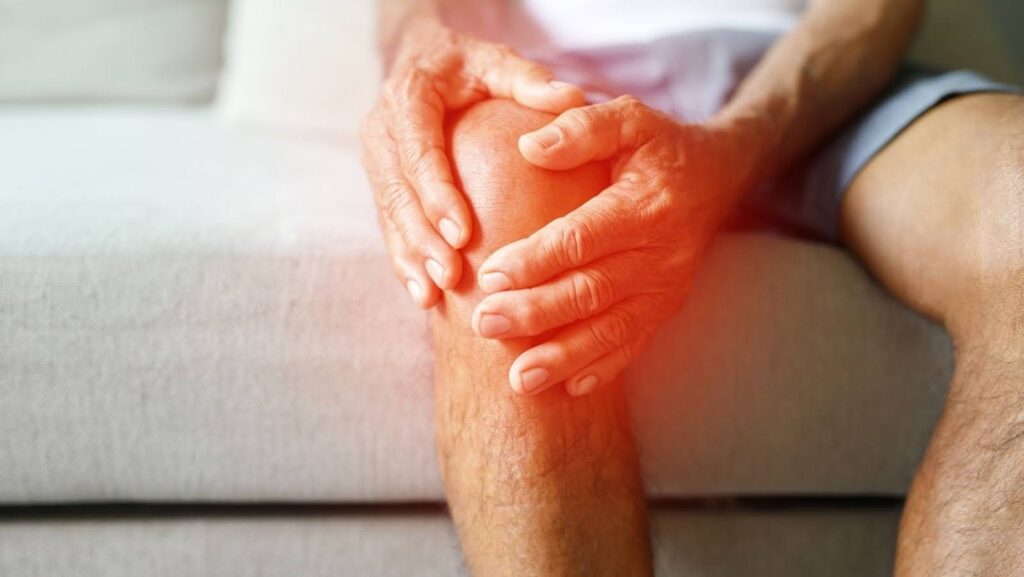
Low-impact activities which make the body stronger and more flexible, but not straining should also be encouraged by the caregivers. Gentle stretching, seated, or guided walking programs may enhance general mobility and decrease the risks of injury. A further reduction of the possibility of overexertion through a mobility scooter on extended excursions and supportive tools and furniture can help further reduce the risks of overexertion and promote a feeling of achievement.
It is not just a precaution to avoid overexertion in older adults with mobility problems, but it is also the only way to protect health, well-being, and independence. Caregivers can decrease the risk of injury and encourage safer daily living by learning about physical limitations, accepting health risk, and advising considerate measures. Rest, assistive devices, and tracking of the energy level are the best ways to keep the seniors active without jeopardizing their safety. The emphasis in these measures will eventually lead to a better living experience, physically and emotionally, with the elderly people being able to render dignity and autonomy in their lives.