
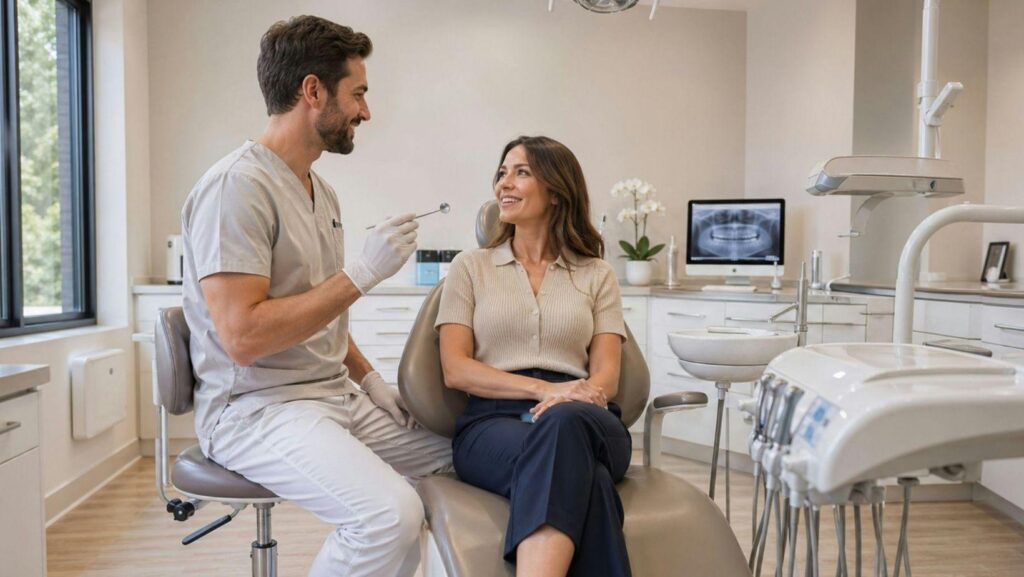
Preventive healthcare is built on consistent habits that reduce the risk of future illness, and oral health is one of the easiest places to begin. If you are researching How to Choose a Family Dentist, you are likely looking for guidance on selecting a practice that emphasizes preventive care, routine checkups, and long-term oral health for every member of the household. Establishing a relationship with a trusted dental provider encourages regular health monitoring and reinforces habits that contribute to overall wellness throughout life.
Oral Health as the Foundation of Preventive Care
The mouth provides valuable insight into a person's general health because many conditions first present noticeable symptoms in oral tissues. Dentists can often identify early signs of nutritional deficiencies, infections, inflammation, and other concerns during routine examinations before they become more serious.
Preventive dental visits also encourage patients to stay engaged with their healthcare rather than waiting until pain develops. This proactive mindset often extends beyond dentistry, motivating individuals to schedule regular medical checkups, maintain healthy routines, and seek advice before minor issues become significant problems.
Daily Habits That Deliver Long-Term Benefits
Brushing, flossing, and maintaining regular dental appointments are simple routines that offer benefits far beyond preventing cavities. These habits help reduce harmful bacteria, support healthy gums, and contribute to a cleaner oral environment that promotes overall health.
Consistency is one of the most valuable aspects of preventive care because small actions performed every day often produce meaningful results over time. Individuals who prioritize oral hygiene frequently become more aware of other healthy behaviors, including balanced nutrition, hydration, physical activity, and adequate sleep.
The Value of Early Detection
One of the greatest advantages of preventive healthcare is identifying concerns before they require extensive treatment. Routine dental examinations allow professionals to monitor changes in teeth, gums, and surrounding tissues, making it possible to address problems while they remain manageable.
Early intervention often reduces discomfort, lowers treatment costs, and preserves more of the natural tooth structure. Patients also benefit from personalized recommendations that help them adjust their oral hygiene routines based on changing needs throughout different stages of life.
Oral Health and Overall Wellness
Research continues to strengthen the understanding that oral health and general health are closely connected. Chronic inflammation affecting the gums has been associated with several systemic conditions, reinforcing the importance of maintaining healthy oral tissues through preventive care.
A healthy mouth also supports proper nutrition because comfortable teeth and gums make it easier to enjoy a varied diet. When people can chew effectively without pain, they are more likely to consume nutritious foods that contribute to better health across the entire body.
Building Lifelong Healthy Routines
Preventive healthcare becomes more effective when healthy behaviors begin early and continue throughout life. Families that establish regular dental appointments for children often help them develop positive attitudes toward healthcare that persist into adulthood.
These routines create familiarity with healthcare professionals and reduce anxiety associated with medical visits. As individuals become comfortable with preventive appointments, they are more likely to seek timely care whenever concerns arise instead of delaying treatment until symptoms worsen.
Prevention Benefits Every Generation
Children benefit from preventive dentistry by developing healthy habits and receiving guidance appropriate for each stage of growth. Adults gain the advantage of monitoring changes that occur with age while protecting their teeth and gums from preventable disease.
Older adults also experience meaningful benefits through regular preventive care because maintaining oral health supports comfort, nutrition, and quality of life. Professional guidance helps patients adapt their oral care routines as medications, medical conditions, and natural aging influence their dental needs.
Creating a Culture of Preventive Healthcare
Communities become healthier when preventive care is viewed as an essential part of everyday life rather than an occasional necessity. Encouraging routine dental visits alongside regular medical care helps normalize early detection and health maintenance across all age groups.
Education also plays an important role by helping people understand that prevention is both practical and cost-effective. When individuals recognize that small, consistent efforts can reduce future health complications, they become more motivated to maintain healthy habits throughout the year.
Preventive healthcare is most successful when it becomes part of everyday living instead of something reserved for times of illness. Oral health provides an accessible starting point because daily hygiene, routine dental visits, and early intervention create habits that support lifelong wellness. By making preventive dental care a regular priority, individuals and families establish a strong foundation for healthier lives and a more proactive approach to overall healthcare.