
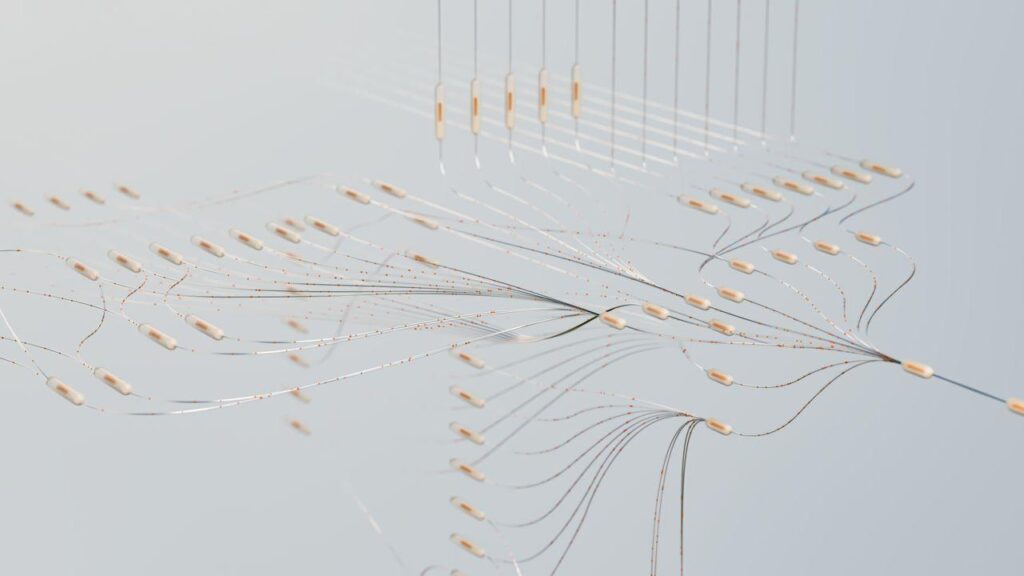
Immune cells carry receptors for neurotransmitters, and nerve fibers extend directly into the bone marrow, spleen, and lymph nodes. For decades, textbooks treated the brain and the immune system as separate departments with separate jobs. That picture has changed. Researchers now describe an active immune-nervous system connection. Nerves shape immune responses in real time, and immune signals influence mood, alertness, and even sleep. Anyone who has felt foggy during a cold, or anxious before a stressful week, has experienced this exchange firsthand, even without naming it. The more scientists map these pathways, the harder it becomes to study either system in isolation.
What Is the Immune-Nervous System Connection?
The immune-nervous system connection describes the two-way signaling network linking the brain, spinal cord, and peripheral nerves to immune cells throughout the body. Nerve endings release chemical messengers near lymph nodes and the spleen. Immune cells respond to, and sometimes produce, some of the same signaling molecules used in the brain. This is why an infection can change sleep patterns, and why chronic stress can leave someone catching every cold that goes around. Scientists often group this territory under neuroimmunology, though its reach extends into endocrinology, psychology, and gut health as well. Each discipline studies a different slice of the same underlying conversation between nerves and immune cells.
How Do Nerves and Immune Cells Communicate?
Nerves communicate with immune cells mainly through the vagus nerve, a long cranial nerve connecting the brain to the gut, heart, and lungs. When immune cells detect inflammation, sensory fibers of the vagus nerve pick up that signal and relay it back to the brainstem. The brain then sends a return signal through the same nerve, telling immune cells to release fewer inflammatory chemicals, a loop researchers call the inflammatory reflex. Much of this signaling depends on small peptides and neurotransmitters that act as chemical messengers between cells. Because peptides can easily be confused with larger proteins, understanding the key differences between peptides and proteins also helps clarify how these signaling molecules function. Other communication routes include hormones released into the bloodstream and direct nerve fibers that extend into lymphoid tissue itself.
Where Hormones, Peptides, and Immunity Overlap
The signaling network becomes even more complex when hormones and peptides enter the picture. Some neuropeptides act across several systems at once, helping coordinate nervous, endocrine, and immune activity rather than serving a single function. Oxytocin, for example, is produced in the brain, but its receptors are also found on immune cells such as T cells and macrophages. These cross-system interactions are central to the field of neuroendocrinoimmunology, which examines how neural signals, hormones, and immune responses influence one another. Research in this area is helping scientists understand how the body integrates information about stress, metabolism, inflammation, and overall physiological state.
What Role Does Stress Play in This Two-Way System?
Chronic stress disrupts the link between nervous and immune activity by keeping the body’s stress-response machinery switched on for too long. Short bursts of stress hormones like cortisol can be useful, sharpening focus and temporarily changing immune activity. Sustained stress, however, can suppress lymphocyte function and raise inflammatory markers associated with slower wound healing and more frequent infections. The biological effects also help explain how nonstop work can contribute to chronic stress, especially when long hours leave little room for recovery. Recognizing stress as a physical signal as well as an emotional one makes its impact on immune health easier to understand.
Can Everyday Habits Support This Connection?
Simple daily habits can support healthier signaling between the brain and immune system. Consistent sleep gives the nervous and immune systems time to regulate overnight, while regular movement can help lower baseline inflammation. Nutrition matters as well because deficiencies in nutrients such as magnesium may affect both nervous-system regulation and immune signaling. This overlap is one reason researchers and health professionals pay attention to how targeted supplements may support daily performance alongside broader factors such as diet, sleep, and exercise. Social connection also appears to matter, with stronger social ties often associated with lower markers of chronic inflammation over time. None of these habits acts like an on-off switch; together, they help shape the conditions under which these systems communicate.
What Does the Research Actually Show?
Current research suggests that stimulating the vagus nerve can measurably influence inflammation in conditions such as rheumatoid arthritis. Researchers have mapped several of these pathways through studies of somatosensory and autonomic neuronal regulation of the immune response, providing a clearer picture of how nerve activity can alter immune-cell behavior. These mechanisms are now being explored therapeutically with implanted nerve stimulators, and early clinical trials have reported reductions in disease activity in some autoimmune conditions. Scientists are also investigating whether similar signaling helps explain symptoms such as brain fog during infection, since inflammatory molecules can affect brain tissue directly. Together, these findings suggest that the nervous system is an active participant in immune regulation rather than a passive observer.
Why Is This Considered an Emerging Field?
This area counts as emerging because many of its major discoveries have arrived only in the last two decades. Earlier immunology research treated inflammation as something that happened locally, largely independent of brain activity. That view shifted once studies began mapping the mechanisms and therapeutic relevance of neuro-immune communication across conditions ranging from sepsis to depression. Funding for this research has grown accordingly, with several academic centers now dedicating entire labs to mapping these circuits. New imaging techniques have made it possible to watch immune cells and neurons interact in living tissue, something that was simply not feasible a generation ago. For readers outside the lab, the practical takeaway is simple: the nervous system and immune system were never really separate, science is just catching up to that fact.
Listening to What the Body Is Already Telling You
The immune-nervous system connection is not a niche research curiosity. It shows up every time stress drags down energy, or a full night’s sleep helps a cold pass faster. Understanding this link does not require a medical degree, just attention to the signals the body sends daily: fatigue, mood shifts, and how quickly illness resolves. Small, sustained habits around sleep, stress, and movement genuinely change how this system behaves over time. Anyone curious about their own patterns can start by tracking energy and illness frequency for a few weeks and discussing what stands out with a healthcare provider.