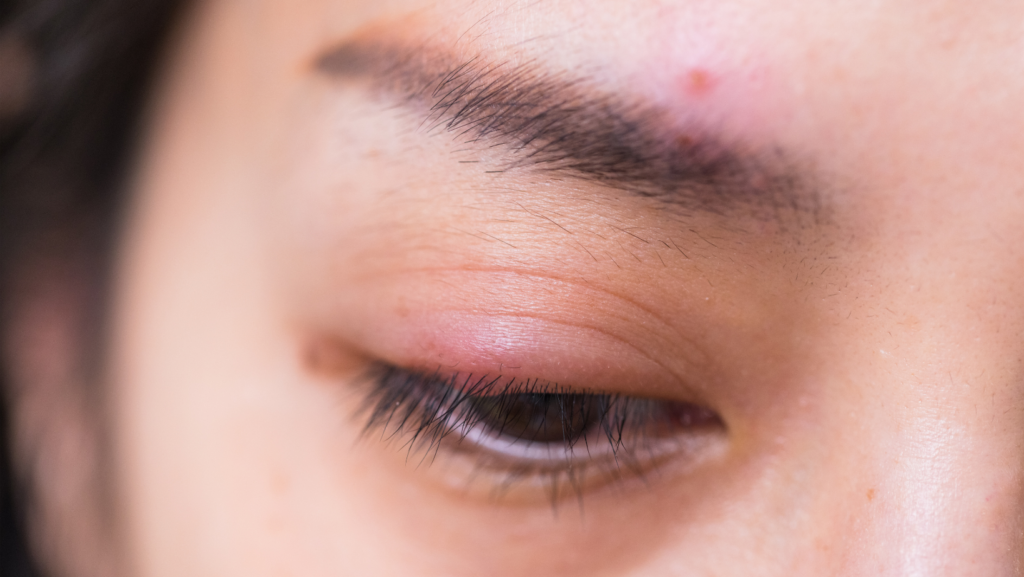
Ever noticed sudden puffiness under one eye and wondered what’s going on? Waking up with swelling under one eye can be surprising and concerning. Many people ask what causes swelling under one eye and whether it’s harmless or requires medical attention. The swelling can range from mild puffiness to more noticeable fullness that affects comfort and appearance. Since the skin and tissues around the eyes are very delicate, even minor changes are visible. Understanding the potential causes helps decide if home care is enough or if further evaluation is needed.
If swelling is severe, persistent, or painful, visiting a Pearland emergency room can ensure timely assessment and care.
Common Causes of Swelling Under One Eye
Swelling under one eye can result from minor issues or more serious conditions. Knowing the cause helps determine when home care is enough and when to seek professional evaluation.
Fluid Retention
Fluid can build up under the eye due to gravity, especially after sleeping or lying down for long periods.
Sleeping on one side may cause fluid to pool under that eye
Elevating the head during sleep can reduce puffiness
Allergic Reactions
Exposure to allergens such as pollen, dust, or pet dander can trigger localized swelling under a single eye.
Swelling may affect only one eye and include redness, itching, or watery eyes
Avoiding triggers and using antihistamines can help
Sinus Congestion
Blocked or inflamed sinuses, often from infections or allergies, can increase facial pressure and lead to under-eye puffiness.
Often accompanied by pain or tenderness on the same side
Managing sinus issues and staying hydrated can relieve swelling
Infections and Eye Conditions
Infections like styes, conjunctivitis, or cellulitis can cause swelling, sometimes rapidly or severely.
Symptoms may include redness, warmth, pain, or discharge
Sudden or severe swelling may require prompt evaluation at an emergency room near me.
Trauma or Injury
Bumps, bruises, or other facial injuries can lead to fluid accumulation under one eye.
May come with discoloration, tenderness, or mild pain
Applying a cold compress early can reduce puffiness
Underlying Health Conditions
Persistent or asymmetrical swelling may indicate systemic issues such as kidney or heart problems.
Seek professional assessment if swelling comes with fatigue, shortness of breath, or other symptoms
Early detection helps prevent complications
Medical or Surgical Causes
Swelling may also occur after medical procedures like eyelid surgery (blepharoplasty) or facial reconstruction.
Usually temporary, but follow-up care may be needed to reduce puffiness and prevent infection
Consult your surgeon if swelling persists or worsens
Natural Ways to Reduce Under-Eye Swelling
Cold Compresses: Applying a cold compress or chilled spoons constricts blood vessels, reducing puffiness and soothing irritation. Use for 5–10 minutes at a time, repeating as needed. Regular use can reduce morning swelling and tired-looking eyes.
Elevate Your Head While Sleeping: Sleeping with your head slightly raised prevents fluid from pooling under the eyes. Use an extra pillow or adjustable bed incline to support circulation and minimize morning puffiness.
Stay Hydrated: Drinking enough water helps prevent fluid retention and supports overall skin health. Proper hydration flushes excess salt and naturally reduces puffiness.
Limit Salt and Alcohol Intake: High sodium and alcohol can increase fluid retention under the eyes. Reducing salty foods and alcohol gradually, along with a balanced diet, helps minimize swelling.
Gentle Massage and Facial Exercises: Lightly massaging the under-eye area or doing facial exercises encourages lymphatic drainage and improves circulation. Use your ring finger in small, circular motions to reduce fluid buildup.
Use Natural Soothing Agents: Cucumber slices, chilled tea bags, or aloe vera gel calm inflammation and refresh tired eyes. Apply for a few minutes at a time to support long-term skin health and a well-rested appearance.
When to See a Doctor?
Most mild under-eye swelling improves with natural remedies and lifestyle changes. However, seek medical attention if swelling:
Appears suddenly or is severe on one side
Is accompanied by pain, redness, or warmth
Affects vision or causes blurred/double vision
Persists for several days despite home care
Occurs with fever, headaches, or facial numbness
Severe or persistent swelling may signal infection, allergies, sinus issues, or other underlying conditions. Prompt evaluation ensures proper diagnosis and treatment.
Key Takeaways
Swelling under one eye can result from fluid retention, allergies, sinus issues, or minor injuries.
Natural remedies like cold compresses, hydration, and proper sleep often reduce mild puffiness.
Persistent, painful, or vision-affecting swelling may signal a more serious condition.
Seek professional evaluation if symptoms worsen or don’t improve with home care.
Early attention ensures proper diagnosis, effective treatment, and prevents complications.