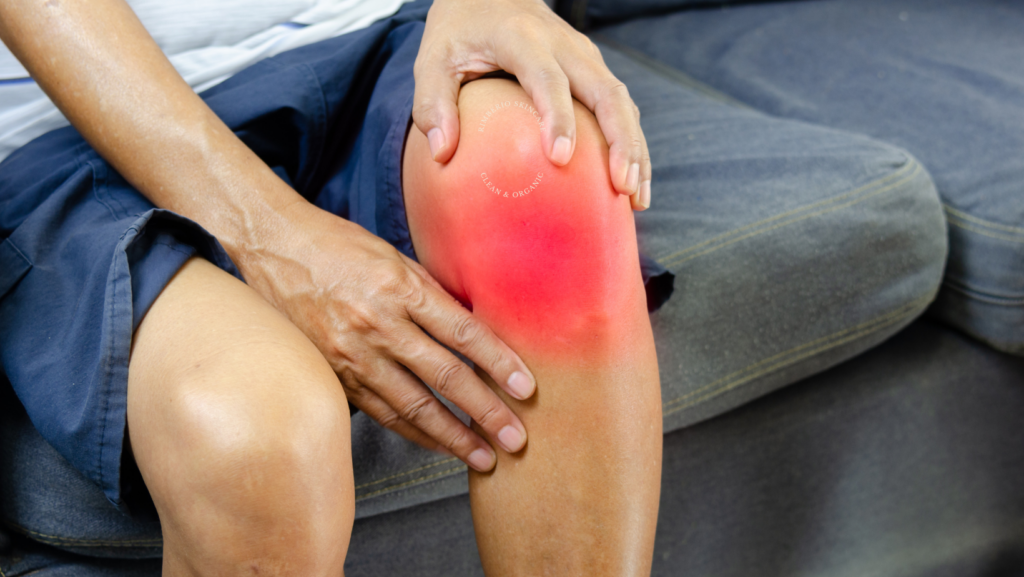
Joint pain affecting multiple areas can be more than a minor nuisance. Many people experience aching joints, stiffness, or soreness without a clear injury, and start asking, “what causes joint pain all over the body?”. Causes range from autoimmune disorders, infections, fibromyalgia, age-related degeneration, to lifestyle factors. Symptoms can appear suddenly or gradually and may impact daily activities. Understanding the underlying cause is essential for relief and long-term joint health, helping prevent further discomfort and ensuring mobility is maintained. Early recognition of warning signs can also guide timely treatment.
Some individuals with severe or sudden joint pain choose to visit an emergency room Lake Jackson, TX to ensure proper evaluation and immediate care.
What Causes Joint Pain
If you’ve ever asked yourself, “why do my joints hurt?”, you’re not alone. Joint pain can develop for many reasons, and understanding the underlying cause is essential for choosing the right treatment. Each cause affects the body differently and may present with unique symptoms.
Inflammation and Autoimmune Disorders
Autoimmune and inflammatory conditions are among the most common reasons for widespread joint pain. In these conditions, the immune system mistakenly attacks healthy joint tissue, leading to chronic inflammation and discomfort.
Causes persistent swelling, warmth, and tenderness in multiple joints
Often affects joints symmetrically, such as both hands or knees
Morning stiffness lasting longer than 30 minutes is common
Pain may worsen during flare-ups and improve during remission periods
Conditions may also cause fatigue, fever, or unexplained weight loss
When symptoms persist or become severe, some people may choose to visit an emergency room near me to get evaluated, especially if daily activities are affected or pain is sudden and intense.
Viral or Bacterial Infections
Some infections can trigger temporary or lingering joint pain as part of the body’s immune response. This type of joint pain may develop suddenly and affect several joints at once.
Viral illnesses like influenza or hepatitis may cause body-wide joint aches
Bacterial infections such as Lyme disease can lead to prolonged joint inflammation
Joint pain may be accompanied by fever, chills, or fatigue
Symptoms often resolve as the infection clears, but some cases persist longer
Post-infectious joint pain can occur even after recovery
Fibromyalgia and Chronic Pain Syndromes
Fibromyalgia is a chronic condition that alters how the nervous system processes pain. Unlike arthritis, it does not damage joints but causes widespread discomfort that can feel severe.
Causes aching joints and muscles without visible inflammation
Pain may shift locations and vary in intensity throughout the day
Commonly associated with fatigue, sleep disturbances, and brain fog
Tender points may be present across the body
Symptoms are often triggered or worsened by stress or lack of sleep
Age-Related Joint Degeneration
As part of the natural aging process, cartilage that cushions the joints gradually wears down. This degeneration can result in ongoing stiffness and discomfort.
Most commonly affects knees, hips, spine, and hands
Pain may worsen after physical activity or long periods of rest
Stiffness often improves with gentle movement
Reduced flexibility and joint grinding sensations may occur
Risk increases with age, previous injuries, or repetitive joint stress
Lifestyle and Nutritional Factors
Daily habits and nutritional choices play a significant role in joint health. Poor lifestyle factors can place excessive stress on joints and worsen existing pain.
Sedentary behavior leads to joint stiffness and muscle weakness
Poor posture increases strain on joints, especially in the neck and back
Dehydration reduces joint lubrication and cartilage resilience
Nutrient deficiencies may impair joint repair and function
Excess body weight adds pressure to weight-bearing joints
Effective Relief Tips for Joint Pain
Finding relief from joint pain depends on the root cause, but several strategies can offer overall improvement:
Anti-inflammatory Diet Foods: rich in omega-3s, antioxidants, and minerals help reduce swelling and support joint health.
Gentle Movement and Exercise: Low-impact activities like swimming, walking, and stretching maintain flexibility and reduce stiffness.
Heat and Cold Therapy: Cold packs soothe swelling, while heat relaxes tight muscles and improves circulation.
Hydration and Joint Supplements: Staying hydrated protects cartilage, while supplements like glucosamine or turmeric may support joint comfort.
Medical Evaluation: If pain doesn’t improve, a healthcare provider can recommend targeted joint pain and treatment options including medication, therapy, or specialized care.
When to Seek Medical Help
Seek immediate care if joint pain is sudden, severe, or accompanied by:
High fever or chills
Significant swelling or redness
Difficulty moving joints
Pain that interferes with daily life
Early intervention can prevent complications and improve outcomes.
Key Takeaways
Joint pain in multiple areas can stem from inflammation, autoimmune disorders, infections, chronic conditions, aging, or lifestyle factors.
Understanding the cause of joint discomfort helps determine whether symptoms are temporary or indicate an underlying condition requiring attention.
Early recognition of warning signs such as persistent stiffness, swelling, fatigue, or limited movement can guide timely medical care.
While lifestyle changes and supportive treatments may relieve mild pain, sudden or worsening joint discomfort should be evaluated to prevent long-term damage and improve quality of life.