
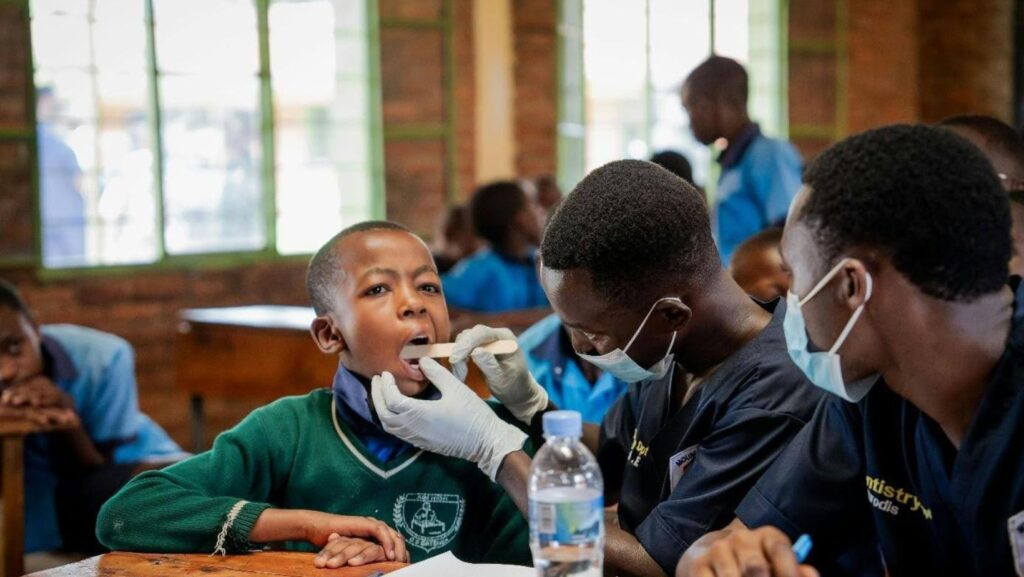
After some time, it is not the work itself that feels simple, but it is how your part in it stays the same. The issues still carry weight, but your role around them starts to repeat. That is usually when the thought creeps in, whether this is all it turns into from here.
That thought does not show up all at once. It builds over time. Public health work still matters; that part does not fade, but the position you hold in it can start to feel fixed. Some people are fine with that. Others start paying closer attention to where decisions are actually made.
When Experience Stops Feeling Like Enough
At some point, doing your job well stops feeling like progress and starts feeling like maintenance. You know the system, you can tell where things tend to break, and you have seen the same issues come back around, just framed a bit differently each time. Still, your role in changing any of it stays pretty narrow.
That is usually where the thinking starts to shift, even if it is not fully clear yet. It is not really about chasing a better title. It is more about wanting a say in how things are shaped in the first place. That kind of shift does not come just from time on the job. It usually takes a different kind of preparation, something that moves beyond handling tasks and into understanding how decisions are built and carried out over time.
Expanding Your Role Through Structured Learning
For a lot of people, the next step ends up circling back to learning again because there is a need to see the bigger picture more clearly. This is where specialized pathways like a doctorate public health online program come in. It is less about adding another credential and more about understanding how decisions actually move through systems, beyond just one role or department.
Most programs built for this stage assume you are already working, so they are set up a bit differently. There is still theory, but it is usually tied back to real situations, things you are already dealing with. That mix tends to matter more than expected.
The Difference Between Doing and Directing
Most people in public health begin by working close to the ground, handling data, helping run programs, staying in contact with communities, and learning how things actually function day to day. That work stays important. It does not become less useful with time.
Still, there is another side to it that sits a bit further back, where choices about funding, policy, and direction are made. Moving into that space feels different. It is less about getting things done and more about seeing how everything fits together.
That shift is not always comfortable. You step away from constant activity and start looking at patterns over time, which can feel slower and less certain at first. Not everyone adjusts to that easily, even when they could.
Balancing Work, Study, And Everything Else
Time is usually the first thing that makes people hesitate. Most already have full days, meetings, deadlines, and things that do not really pause just because you decide to study again. Adding more on top of that can feel like too much, at least at first glance.
That is where flexibility starts to matter more than anything else. Options that let you adjust your pace or work around your schedule tend to fit better, though it is still not easy. Something has to give. Evenings that used to be quiet get filled with reading. Weekends shift a bit. It works, but only if you stay steady with it.
What Actually Changes After Advancing Your Education
There is often an expectation that new opportunities will appear immediately after completing a program. That is not always how it works. The change tends to be more gradual. What shifts first is perspective. Problems are approached differently. There is more attention to long-term impact, to policy implications, and to how decisions affect larger populations.
Opportunities follow, but not always in a straight line. Sometimes they come through internal promotions. Other times, through new roles in different organizations. The path is not fixed, which can be frustrating, but also allows for more flexibility.
The Reality of Leadership in Public Health
Leadership in this field rarely looks the way people picture it at the start. It is not always visible, and most of it does not happen in moments that feel important right away. A lot of the work sits in long discussions, drafts that get passed around and changed more than once, and decisions that take time before anything shows on the surface. It can feel slow, and sometimes it is not even clear if progress is being made.
There is also this ongoing tension between priorities. Budgets are limited, opinions do not always line up, and outside pressure tends to show up at the same time. Things overlap. One decision affects another, even when it is not obvious at first. That is usually where earlier experience starts to matter more than expected. Having seen how things actually work on the ground changes how those decisions are approached. It does not make them easier, but it makes them a bit more realistic.
There is rarely a clear point where everything lines up, and the next move feels obvious. It usually builds slowly, through small moments where you start noticing what no longer fits, or what feels slightly out of reach but possible. Moving too quickly at that stage does not always help. It is easy to commit to something before fully understanding what it asks of you, both in terms of time and effort. Taking a bit of space to think it through tends to make the path clearer.
This field does not change overnight, and neither do the roles within it. Progress tends to come in steps, not leaps, even if it feels uncertain while you are in the middle of it.