
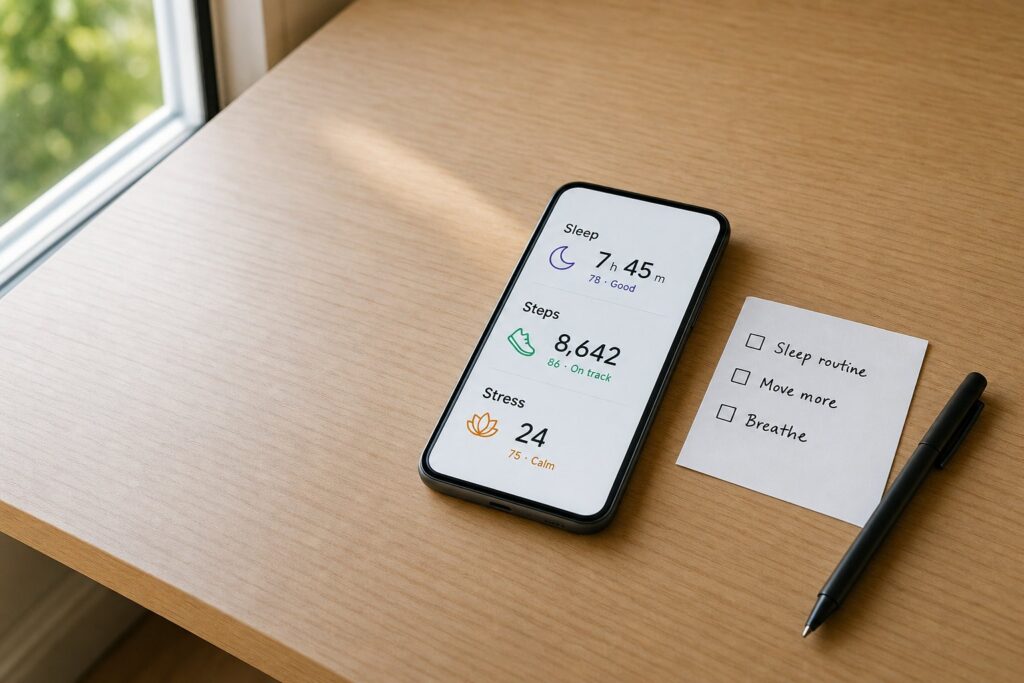
Health tracking promises progress, but detailed data often becomes a burden rather than a benefit. Overly complex routines and constant notifications can trigger guilt, confusion, and fatigue. Embracing minimalist approaches can help you regain control and clarity in your health journey.
Many people adopt health tracking apps, devices, and charts to stay on top of fitness, sleep, or nutrition. Yet for some, the flood of numbers and alerts leads to stress or loss of motivation rather than empowerment. An A1C to Blood Sugar Chart may seem helpful for understanding specific health metrics, but tracking can quickly become more confusing than insightful if not managed intentionally. Knowing how to avoid overload is essential for maintaining long-term habits and genuine well-being.
Recognizing when tracking becomes overwhelming
Tracking overload often begins when you juggle several apps, smart devices, or spreadsheets to monitor every possible metric. Instead of providing clarity, conflicting numbers or duplicate readings can make it harder to measure what truly matters to you.
Frequent notifications and reminders add to the noise, increasing mental clutter rather than reducing it. Constant prompts may even increase stress or create guilt if you miss a goal or forget to log information, undermining your sense of progress.
This sense of overwhelm can cause decision fatigue, where choosing which data to follow or ignore becomes exhausting in itself. Rather than feeling in control, you may find yourself second-guessing every health choice or routine.
Using a minimalist principle for tracking health
Minimalist health tracking focuses on reducing inputs and noise so that each metric offers clear, actionable insights. Instead of seeking perfect data, sustainable routines and fewer numbers can help you develop better self-awareness and consistency.
One way to apply a minimalist approach is to select just one to three key measures directly aligned with your health priorities. You might track energy levels, hours of sleep, or stress levels, rather than trying to cover every possible aspect of health at once.
These chosen markers should resonate with your lifestyle and goals, offering you valuable feedback without overwhelming your schedule or attention span. A direct, limited set of data points helps cut through distraction and keeps your focus on meaningful change.
Adopting low-friction routines and clear interpretation
Setting a manageable tracking cadence is an important part of reducing overload. Some find that weekly rather than daily check-ins help improve their accuracy and adherence, as fewer entries reduce frustration and allow for broader trend analysis. Many find that using an A1C Calculator supports a more focused review process without unnecessary repetition.
Simplifying routines can involve limiting the number of times you record information and reducing how often you review your metrics. This lowers the risk of becoming preoccupied with minor daily variations that may not reflect broader trends in your health.
Equally important is creating simple rules for interpreting your tracked data. Focusing on week-by-week or month-by-month trends prevents all-or-nothing thinking that can arise from isolated readings. Looking for consistent patterns helps you draw relevant conclusions without becoming discouraged by one-off fluctuations.
Intentional use of technology and mindful data breaks
Technology can support health as long as you control the flow of information rather than letting it control you. Turning off nonessential notifications and simplifying dashboards can reduce distractions. Sticking with a single device or app for each measure, instead of switching between platforms, helps maintain consistency.
When tracking routines start to harm your well-being rather than help, taking a structured break from data collection can be valuable. Common signs include anxiety around numbers, reduced motivation, or a negative impact on sleep and daily satisfaction. Temporarily stepping away lets you reflect, reset, and reconsider which data points genuinely benefit your lifestyle.
For those seeking practical simplicity, a minimalist template can include three core steps: choose one to three meaningful metrics, set a relaxed review schedule, and rely on clear interpretation instead of chasing perfect numbers. By doing so, you maintain health awareness without the overwhelm often brought by excessive monitoring.