
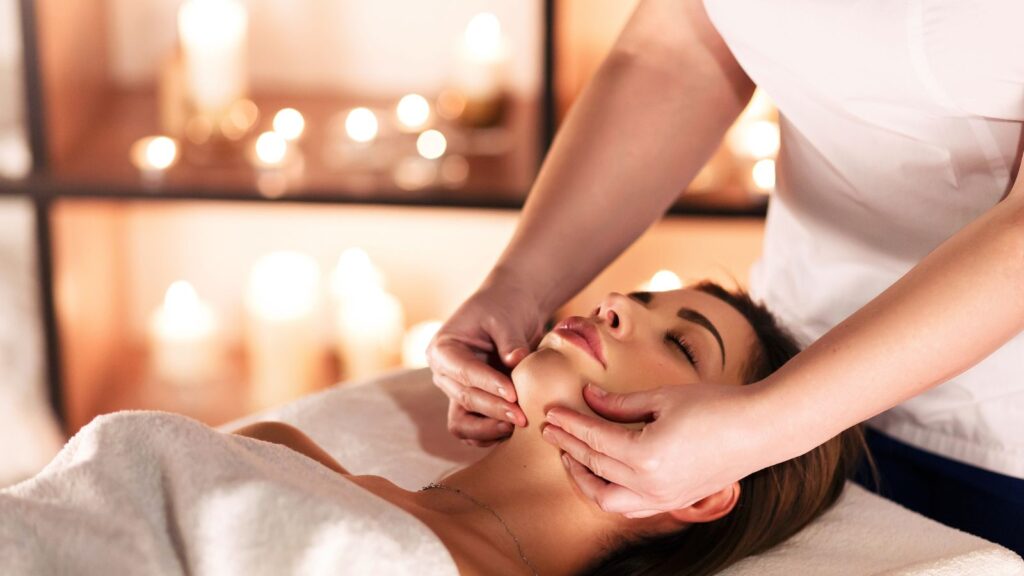
A collaborating physician for med spa owners provides legally required medical oversight, prescriptive authority supervision, protocol approval, and risk management support. They help ensure compliance with state regulations, oversee injectable and laser treatments, reduce liability exposure, and strengthen clinical safety—allowing aesthetic practices to operate confidently and legally.
What Is a Collaborating Physician in a Med Spa Setting?
A collaborating physician is a licensed MD or DO who provides required medical oversight for advanced practice providers (NPs or PAs) and, in some states, registered nurses performing medical aesthetic procedures.
Depending on state law, this physician may:
- Supervise or collaborate with NPs or PAs
- Delegate medical procedures
- Approve treatment protocols
- Provide prescriptive authority oversight
- Review charts
- Ensure compliance with state board regulations
In many states, med spas cannot legally operate without an appropriate physician relationship in place.
Why Do Med Spas and Aesthetic Practices Need a Collaborating Physician?
Is It Just a Legal Requirement?
No. Compliance is the primary driver, but collaboration also supports patient safety and operational stability.
Med spas commonly offer:
- Botox and neurotoxins
- Dermal fillers
- Laser treatments
- Microneedling with RF
- PRP treatments
- IV therapy
- Weight loss injections
- Hormone therapy
In most states, these services are classified as medical procedures, which typically require physician oversight—either directly or through delegated authority.
How Does a Collaborating Physician Ensure Legal Compliance?
What Regulations Affect Med Spas?
Aesthetic practices may need to comply with:
- State medical board regulations
- Nursing board scope-of-practice laws
- PA supervision laws
- Delegation rules for RNs
- Controlled substance regulations
- Corporate practice of medicine laws
- Telehealth prescribing laws (if applicable)
What Compliance Responsibilities Does a Collaborating Physician Handle?
A collaborating physician commonly supports compliance by:
- Signing and maintaining collaboration agreements
- Approving standing orders and clinical protocols
- Overseeing prescriptive authority
- Defining scope-of-practice boundaries
- Conducting required chart reviews
- Ensuring supervision ratios are legal
- Supporting audit readiness
Without structured collaboration, a med spa may face:
- Board investigations
- Fines
- License suspension
- Forced closure
- Malpractice exposure
How Does a Collaborating Physician Support Clinical Safety?
Why Is Oversight Important in Aesthetic Medicine?
Although aesthetic procedures are elective, they carry real medical risk and can require immediate escalation.
Common Risk Areas in Med Spas
| Procedure | Potential Risk |
| Botox | Ptosis, asymmetry |
| Dermal fillers | Vascular occlusion, necrosis |
| Laser treatments | Burns, hyperpigmentation |
| PRP | Infection, poor processing |
| IV therapy | Fluid overload, infection |
| Weight loss injections | Contraindications, adverse reactions |
A collaborating physician helps by:
- Establishing emergency response protocols
- Approving complication management guidelines
- Providing consultation for adverse events
- Reviewing high-risk cases
- Strengthening patient screening standards
Structured oversight improves outcomes and strengthens defensibility.
How Does a Collaborating Physician Oversee Prescriptive Authority?
Many med spa services involve prescription products, including:
- Neurotoxins
- Lidocaine
- Hormones
- GLP-1 medications
- Phentermine
- Compounded injectables
What Does Oversight Include?
A collaborating physician may support prescriptive compliance by:
- Reviewing prescribing protocols
- Confirming medical necessity documentation
- Ensuring DEA compliance when controlled substances are involved
- Monitoring state PDMP usage
- Defining refill policies and boundaries
Improper prescribing is a frequent trigger for board investigations, particularly in aesthetic and weight loss settings.
What Role Does a Collaborating Physician Play in Protocol Development?
Aesthetic practices operate under written clinical protocols that define how services are delivered and delegated.
What Should Protocols Cover?
- Patient intake standards
- Medical history review requirements
- Contraindication screening
- Treatment dosing and administration guidelines
- Emergency response procedures
- Infection control standards
- Documentation requirements
Why Is Protocol Approval Important?
State boards commonly expect that:
- A physician approves standing orders
- Delegated procedures are documented
- Staff operate within written scope-of-practice boundaries
A collaborating physician formalizes these safeguards and helps keep protocols aligned with state rules.
How Does a Collaborating Physician Reduce Liability Risk?
Med spa owners face distinct liability exposure related to:
- High social media visibility
- Cosmetic outcome expectations
- Rapid growth and staffing changes
- Delegation to multiple injectors
- Marketing of elective medical procedures
Collaboration Reduces Risk By:
- Demonstrating structured oversight
- Strengthening documentation practices
- Creating defensible supervision logs
- Providing clinical second opinions
- Improving informed consent standards
- Supporting complication response processes
In legal disputes, documented physician oversight often strengthens the credibility of the clinic’s clinical governance.
What Does a Collaboration Agreement for a Med Spa Include?
A written agreement is essential for compliance and operational clarity.
Core Elements of a Med Spa Collaboration Agreement
| Section | Purpose |
| Parties Involved | Names and license numbers |
| Scope of Services | Treatments offered |
| Prescriptive Authority | Medication oversight rules |
| Chart Review Requirements | Percentage or frequency |
| Consultation Terms | Availability standards |
| Compensation | Monthly or hourly fee |
| Liability Coverage | Insurance requirements |
| Termination Clause | Exit and notice period |
Attorney review is strongly recommended, particularly in corporate practice of medicine states.
How Often Must a Collaborating Physician Evaluation Charts?
Requirements vary significantly by state and practice structure. Common approaches include:
- 10–20% of charts monthly
- Review of all controlled substance cases
- Focused review of high-risk treatment cases
- Scheduled monthly chart review meetings
- On-demand consultation logs
Always verify your state medical board’s requirements.
How Does Corporate Structure Impact Collaboration?
In some states, corporate practice of medicine laws restrict non-physician ownership of medical practices.
What This Means for Med Spa Owners
Depending on the state, you may need:
- A Management Services Organization (MSO) model
- A physician-owned medical entity
- Revenue flow that complies with anti-kickback requirements
- Careful adherence to fee-splitting rules
Improper structuring is a common enforcement trigger, even when clinical care is otherwise appropriate.
How Does Telehealth Impact Aesthetic Collaboration?
If your med spa offers:
- Virtual consultations
- Online GLP-1 programs
- Remote prescribing
You may also need to comply with:
- Patient-state licensure requirements
- DEA telemedicine rules
- Interstate medical practice restrictions
Multi-state operations may require more than one collaborating physician to remain compliant across jurisdictions.
How Do You Find a Collaborating Physician for a Med Spa?
Where Should You Look?
- Local physicians in dermatology or plastic surgery
- Family medicine physicians
- Residency or training networks
- State medical associations
- Professional networking platforms
What Should You Include in Your Outreach?
- Description of services offered
- Expected oversight time commitment
- Summary of state regulatory requirements
- Proposed compensation structure
- Clinic volume and risk profile
Professional transparency improves alignment and trust.
What Mistakes Do Med Spa Owners Make With Collaboration?
Common errors include:
- Paying for “license use” without active oversight
- Failing to document chart reviews
- Not verifying physician credentials
- Ignoring corporate structure requirements
- Exceeding scope-of-practice limits
- Skipping legal review
Regulators increasingly scrutinize aesthetic practices for improper delegation and unsupported prescribing.
How Does a Collaborating Physician Strengthen Business Credibility?
Beyond compliance, structured collaboration can support:
- Patient trust
- Insurance relationships
- Vendor partnerships
- Investor confidence
- Long-term sustainability
A documented oversight system signals operational maturity in a competitive aesthetic market.
Frequently Asked Questions (FAQ)
Do all med spas legally require a collaborating physician?
In most states, yes—especially for injectables, lasers, and prescription-based therapies. Requirements vary, so confirm your local rules.
Can a collaborating physician work remotely?
Often yes, depending on state law. Some states require periodic onsite visits or geographic proximity.
Can a nurse injector operate independently?
In most states, no. Nurses typically require physician delegation or supervision for medical aesthetic procedures.
What happens if my collaborating physician leaves?
You must secure a new agreement promptly to remain compliant. A transition clause helps reduce operational disruption.
Can I pay a collaborating physician a percentage of revenue?
Revenue-sharing arrangements must comply with anti-kickback and fee-splitting laws. A flat, fair-market-value model is typically safer.
Is malpractice insurance required for both parties?
Yes. Both the collaborating physician and the practice’s clinical providers should maintain appropriate coverage.
Final Thoughts: Why Collaborating Physicians Are Essential for Med Spa Owners
A collaborating physician is not simply a regulatory checkbox. In a med spa setting, they function as:
- A compliance safeguard
- A clinical oversight partner
- A liability risk reducer
- A protocol authority
- A stabilizing operational resource
As aesthetic medicine expands and regulatory scrutiny increases, structured physician collaboration helps protect your license, your staff, and your brand. Proactive oversight is foundational to operating a legally compliant, patient-centered, and scalable med spa practice.