
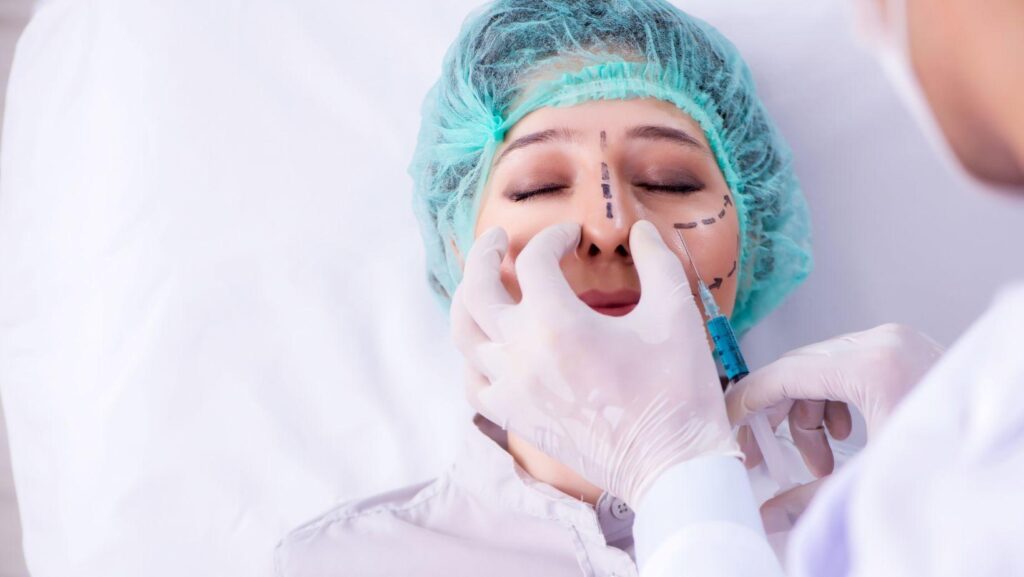
Booking a consultation with a cosmetic surgeon feels like a small step. It isn’t.
By the time most people schedule that first appointment, they’ve already spent hours scrolling through before-and-after photos, reading reviews, and comparing prices. What often gets skipped is the part that matters most: figuring out whether the person behind those photos is actually qualified to do the work.
A good consultation should feel like the final check, not the first one. Here’s how to do the homework that comes before it.
Start With Credentials, Not Reviews
Reviews tell you how a practice made someone feel. They don’t tell you whether the surgeon is trained to perform the specific procedure you’re considering.
In the United States, board certification through the American Board of Plastic Surgery (ABPS) means a surgeon has completed an accredited residency, passed rigorous written and oral exams, and continues to meet ongoing education requirements. That’s different from general cosmetic certifications, which can sometimes be earned through weekend courses with little hands-on training.
Look up the certification directly on the ABPS website rather than trusting a badge on a website. It takes two minutes and rules out a surprising number of providers.
Look Past the Before-and-After Photos
Photos are one of the most manipulated parts of a cosmetic practice’s marketing. Lighting, posing, and camera angle can make an average result look dramatic.
What you want to see are consistent angles, matching lighting between the before and after shots, and results photographed at the same distance and expression. Ask whether the photos are the surgeon’s own patients or licensed stock images used across multiple websites. That second scenario happens more often than people expect.
A well-reviewed provider offering a facelift in Boston, for example, should be able to walk you through board certification and before-and-after cases without hesitation. If a surgeon gets vague or defensive when you ask specific questions about their own patient results, treat that as a sign to keep looking.
Ask About Volume and Specialization
Not every plastic surgeon performs every procedure at the same skill level. Someone who does dozens of rhinoplasties a year might only perform a handful of facelifts.
It’s reasonable, and expected, to ask how many times a surgeon has performed the specific procedure you’re interested in over the past year. A surgeon confident in their skill set will answer directly. One who hesitates or gives a rounded, non-specific number may not have the depth of experience the procedure calls for.
Why specialization matters more in surgery than in most fields
Cosmetic surgery outcomes depend heavily on repetition. Technique, incision placement, and judgment calls during the procedure all improve with volume. A surgeon who performs a high number of a particular procedure each year has likely already encountered and solved the complications that a less experienced surgeon might be facing for the first time on you.
Watch How They Talk About Complications
Every surgical procedure carries risk, and a surgeon who tells you otherwise is not being honest with you.
During a consultation, pay attention to how complications come up. A trustworthy surgeon will explain realistic risks specific to your case, walk through their revision policy, and describe what happens if healing doesn’t go as expected. A surgeon who brushes past this conversation, or acts as though complications only happen to other people’s patients, is giving you incomplete information.
This is also a good moment to ask what percentage of their patients require a revision procedure. There’s no perfect number here, but the willingness to answer honestly says a lot.
Notice the Pressure, or the Lack of It
Some practices use booking incentives: discounts for scheduling that day, financing offers that expire at the end of the visit, or a hard sell toward add-on procedures you didn’t ask about.
A surgeon who is confident in their work and results doesn’t need to pressure you into a decision. Give yourself permission to leave a consultation, think it over, and come back later or choose someone else entirely. If a practice makes that feel difficult, that discomfort is worth paying attention to.
Questions Worth Asking at the Consultation
Once you’re in the room, a short list of direct questions can tell you more than an hour of general conversation:
- Are you board certified, and in what specialty?
- How many times have you performed this specific procedure?
- What would my recovery realistically look like, including setbacks?
- What happens if I need a revision, and what does that cost?
Write the answers down if you need to. You’ll likely be comparing notes across more than one consultation, and details blur faster than expected once you’re back home.
Trust the Consultation Itself
Credentials and experience get you in the door, but the consultation is where you find out whether this is the right fit for you personally.
Did the surgeon listen to what you actually wanted, or did they steer the conversation toward a procedure you hadn’t asked about? Did they take time to examine you and explain their reasoning, or did the visit feel rushed? Did you leave with a clear understanding of the plan, or with more questions than you started with?
None of these things show up in a five-star rating. They only show up when you’re sitting across from the person who would actually be doing the work.
Making a Confident Choice
Vetting a cosmetic surgeon takes more effort than picking the first name that shows up in a search. It’s worth that effort.
Verify the certification. Look closely at the results. Ask about experience with your specific procedure. Notice how complications and pricing are discussed. And pay attention to how you feel in the room, because that instinct is often right.
A little research before the first consultation can save a lot of second-guessing after the surgery is already done.