
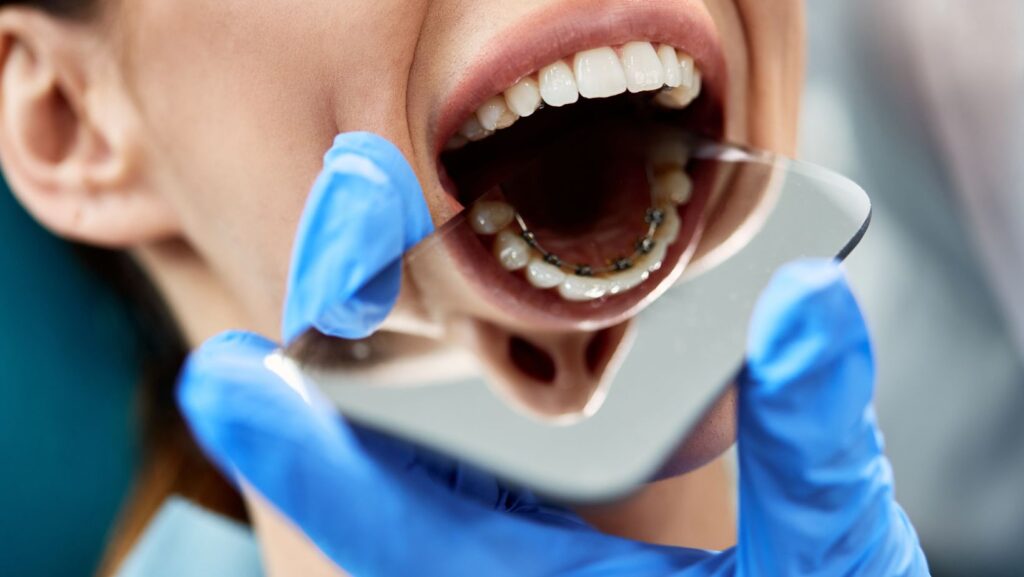
For many, the thought of orthodontic treatment evokes images of traditional metal braces. While effective, these prominent appliances can bring about apprehension regarding aesthetics and self-image. Enter lingual braces: a solution that combines functionality with invisibility. This innovative orthodontic option not only aligns teeth effectively but does so discreetly, allowing wearers to maintain their confidence throughout their treatment journey.
What Are Lingual Braces?
Lingual braces are affixed to the back of the teeth, making them virtually invisible from the front. Unlike traditional braces, which rely on visible brackets and wires to correct dental alignment issues, lingual braces are completely concealed. This characteristic appeals to a broad range of individuals, particularly adults and teens striving for a discreet orthodontic solution.
The fundamental mechanics of lingual braces remain similar to those of traditional braces. They utilise brackets and wires to apply consistent pressure on the teeth, guiding them into the desired position over time. However, the placement on the lingual surface—toward the tongue—sets them apart, offering a unique blend of aesthetics and performance.
Advantages of Lingual Braces
Lingual braces are not merely about being “hidden.” They also come with numerous advantages, making them a compelling choice for many patients. Consider the following benefits:
• Aesthetic Appeal: One of the most significant advantages is their invisibility. For adults who may feel self-conscious about wearing traditional braces, lingual braces provide a sense of normalcy.
• Effective Treatment: Lingual braces offer the same level of effectiveness as visible braces when addressing various orthodontic issues, from minor misalignments to severe malocclusions.
• Customised Fit: Unlike standard braces, which use pre-made brackets, lingual braces are custom-made for each patient’s dental structure, allowing for a more tailored treatment experience.
• Fewer Food Restrictions: While it is best to avoid certain hard or sticky foods, many patients report fewer restrictions with lingual braces compared to traditional options.
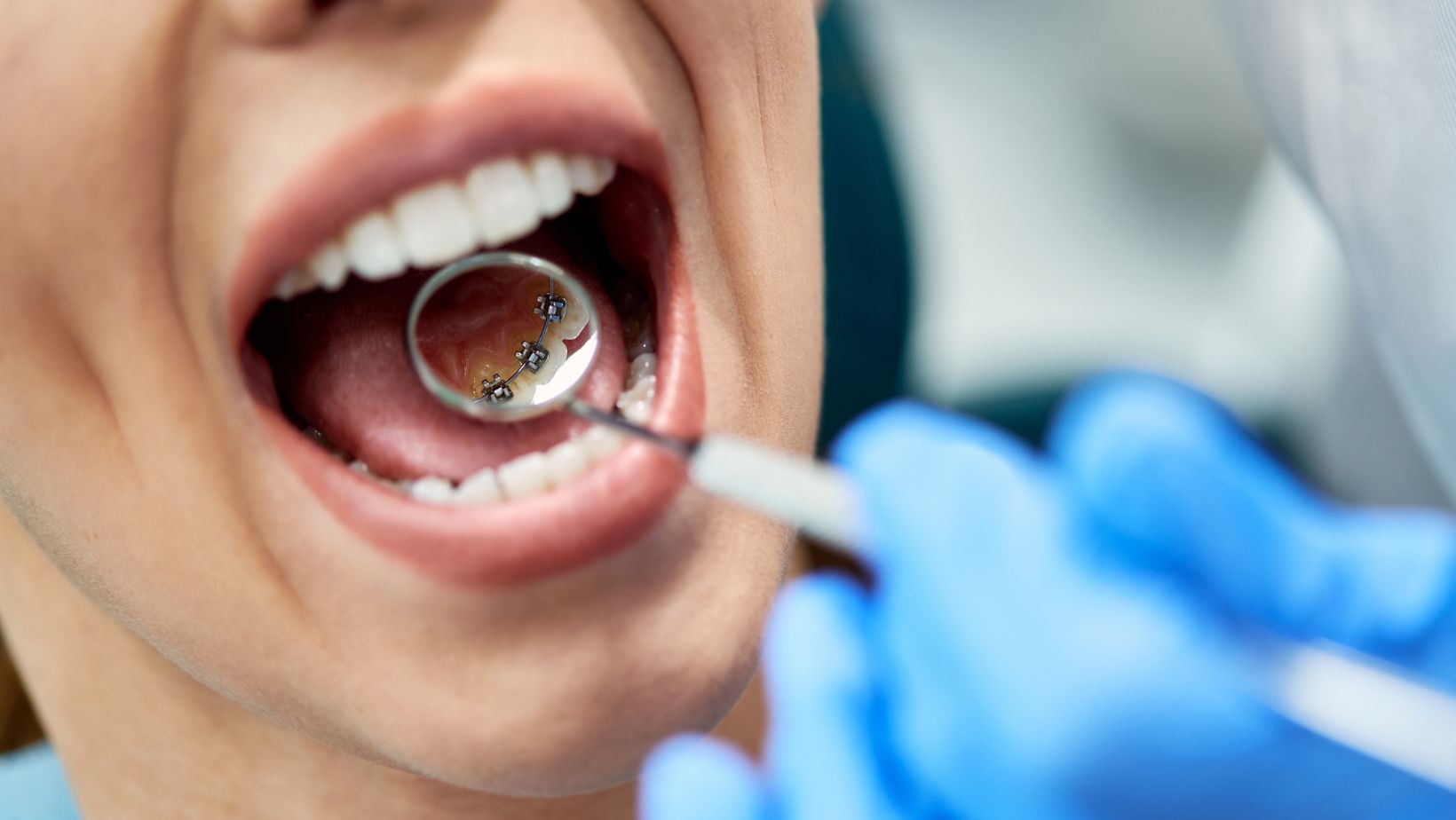
To fully grasp the entirety of what lingual braces offer—and how they stack up against other hidden options—it’s worthwhile to explore the advantages and disadvantages of hidden braces. Understanding both sides can provide clarity when making a decision about which orthodontic treatment is most suitable.
Potential Drawbacks
While lingual braces present numerous advantages, no treatment is without its challenges. Some of these potential drawbacks include:
Comfort and Adaptation
Initial discomfort is common with any braces, but many users report that lingual braces can be particularly challenging at first due to their placement. The wire may irritate the tongue, leading to soreness as patients adjust. However, orthodontists typically provide wax to cover areas that may rub against the tongue in these initial days.
Speech Impediments
When first undergoing treatment, some patients may experience temporary speech difficulties. The lingual placement of the brackets and wires can affect pronunciation, particularly with sibilant sounds. With practice and patience, many patients find their speech normalises within a few weeks.
Maintenance and Cleaning
Oral hygiene practices must adapt when using lingual braces. The hidden nature of these braces can make thorough cleaning more challenging since they are not as accessible as traditional braces. Patients will need to devote extra time to their oral care routine, using special tools that can reach behind the teeth effectively.
Monitoring Progress and Regular Adjustments
Lingual braces require consistent follow-ups with your orthodontist to monitor progress and make adjustments. These appointments may take slightly longer than traditional adjustments, as accessing the braces is more complex. However, these visits are crucial for ensuring the treatment timeline stays on track.
The Psychological Edge
Beyond the physical aspects, the psychological impact of wearing lingual braces should not be overlooked. Many patients report feeling more confident knowing they can correct their teeth without drawing attention to their treatment. This blend of aesthetics and functionality is particularly appealing for adults in professional or social situations where self-image plays an important role.
Having a treatment that doesn’t disrupt one’s appearance contributes significantly to wearers’ overall satisfaction. It can also encourage adherence to wear schedules, as patients feel less self-conscious and more empowered during their orthodontic journey.
Making the Decision
Choosing the right orthodontic treatment depends on individual needs, preferences, and lifestyle. Consulting with an experienced orthodontist is paramount to ensure the chosen method will be effective. They can assess the unique requirements of your dental structure and help weigh the advantages and disadvantages of hidden braces in your specific context.
Conclusion
Lingual braces represent a remarkable advancement in orthodontic treatment options. By integrating aesthetics with state-of-the-art technology, they offer a virtually invisible solution that does not compromise on effectiveness. While adapting to them may take some time, the benefits often outweigh the initial challenges.
For anyone considering orthodontic treatment, exploring lingual braces could lead to a more confident and comfortable path toward achieving that perfect smile. Whether for professional reasons or personal peace of mind, they embody a significant step forward in orthodontics, effectively marrying functionality with discretion. As with any dental decision, understanding both sides can pave the way for a brighter smile—out of sight and mind.