
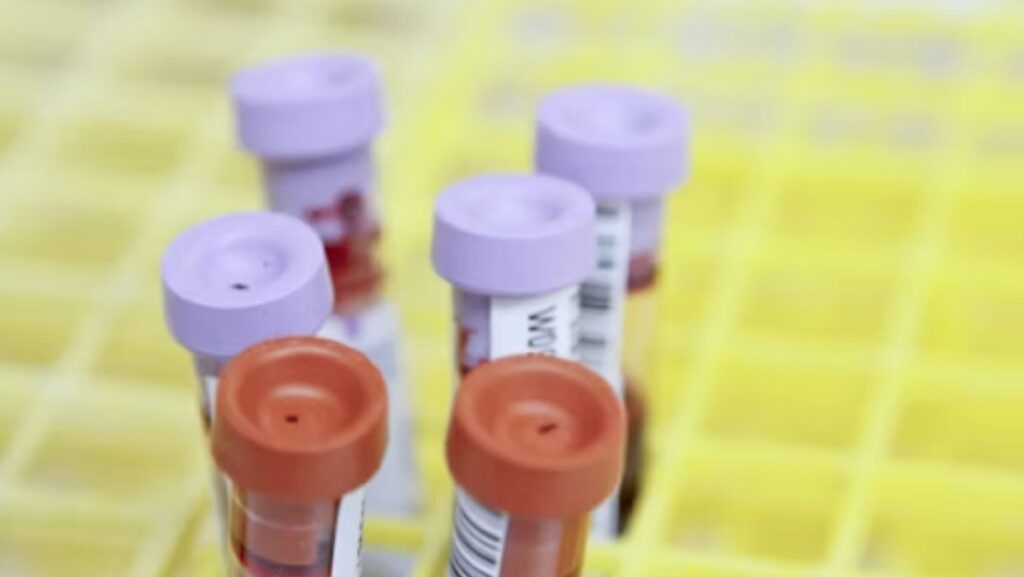
You finally can discover what’s really going on in your body.
Female hormone imbalances aren’t as rare as most people think. In fact, the crazy part is that many women experience symptoms for years before finally figuring out what’s really causing the problem.
Listen carefully…
You see, a simple blood test can tell you EXACTLY what’s going on inside your body. You see, there are HIDDEN imbalances affecting everything from your energy levels to your fertility.
Oh yeah, and here’s a few more things you’re going to discover below;
- Why Female Hormone Testing Is So Important
- The Most Common Hormones That Are Measured In Female Blood Tests
- Signs You Need Female Hormone Testing
- What To Do With Your Female Hormone Testing Results
Let’s jump right into it and let’s start at the beginning.
Why Female Hormone Testing Is So Important
Your hormones affect virtually every part of the body.
They control moods, metabolism, sleep cycles, and your reproductive system. When things get out of balance, it shows in ways that can be annoying, embarrassing, or just plain confusing.
The problem is that symptoms of hormonal imbalances are often mistakenly attributed to other problems. Being tired all the time is just “stress.” Gaining weight is because you’re eating too much. Getting a missed period is just something you have to deal with.
But now let’s consider this;
Did you know that a recent report by the World Health Organization found that up to 70% of women with PCOS are UNDIAGNOSED.
Yes, you read that right, 70% of women are walking around undiagnosed with a TREATABLE condition.
A female hormone test gives concrete data on hormone levels so women can stop guessing and start getting effective solutions.
This matters because undiagnosed hormone problems can lead to bigger issues later in life like infertility, metabolic disorders, and cardiovascular issues.
The Most Common Hormones That Are Measured In Female Blood Tests
Female hormone blood tests are pretty simple and only check several key hormones.

Knowing what they do helps with interpreting the results.
Estrogen is the primary female sex hormone. It plays a role in the menstrual cycle, bone health, and mood. Low levels of estrogen can result in hot flashes, vaginal dryness, and sleep issues.
Progesterone is the other key female sex hormone. It prepares the uterus for pregnancy and maintains pregnancy during the first trimester. Imbalances can cause irregular periods and make it harder to get pregnant.
FSH (follicle-stimulating hormone) helps control the menstrual cycle and egg production. High FSH could mean menopause or an ovarian issue. Low FSH may indicate a pituitary problem.
LH (luteinizing hormone) helps trigger ovulation. Abnormal LH can signal polycystic ovary syndrome (PCOS) and other ovulatory disorders.
Testosterone is a male hormone that is also present in women. It affects libido, energy, and muscle mass in women too. Too much testosterone can cause acne and unwanted hair growth, while low levels can lead to fatigue and low libido.
Thyroid hormones also play a significant role in women’s health, though they are not strictly “female hormones.” Thyroid issues are one of the most common hormonal problems in women and have a lot of symptoms that overlap with other hormones.
Signs You Need Female Hormone Testing
How do you know if female hormone testing is something you should consider?
Well, the body gives some pretty big hints when hormones are out of whack. Spotting those signs can tell you when it might be time for testing.
Irregular or absent periods is one of the first things women notice. A period should range from 21 to 35 days. Missing a period or having a cycle that is unpredictable is a sign of estrogen and progesterone imbalance.
Unexplained weight gain or weight loss is also a major hormonal warning sign. Putting on weight or losing weight without changes in diet or exercise can signal a thyroid problem or insulin resistance.
Persistent fatigue that can’t be explained by just a lack of sleep is another sign that hormone levels might be off. Constant exhaustion can be a sign of low thyroid hormone levels.
Skin and hair changes are common with hormonal problems. Acne breakouts, hair loss, or a sudden increase in facial or body hair can all be signs of an androgen imbalance.
Mood swings and anxiety can also be hormonally related. Drops in estrogen and progesterone can affect brain chemicals that control mood.
Fertility problems are an obvious reason for hormone testing. If you’re not pregnant after trying for six months to a year, checking hormones is a good idea.
And of course, here’s something else not to miss;
Hot flashes and night sweats are not just for menopause.
These symptoms can happen at any age when estrogen levels dip. This could be caused by certain medications or hormone problems.
What To Do With Your Female Hormone Testing Results
Testing is just the first step in the process.
It’s not until you can understand what the results mean and then take action that you really begin to see value.
Ok, so here are a few tips for doing that.
Review the numbers with your doctor. You see, a bunch of numbers means nothing to anyone without an expert interpretation. That’s why you should always have your results reviewed by a healthcare provider.
Look at the whole picture. Hormones are a complex interconnected system. The result of one hormone out of balance can throw everything else off.
A low estradiol doesn’t automatically mean you have a problem. It just means your estradiol is low.
Some levels dropping could indicate a bigger issue like pituitary gland problems or perimenopause. And if this is the case, it may mean a woman is still at risk for things like infertility or certain cancers.
Look at lifestyle factors first. Sometimes the fix is as simple as lifestyle changes. Stress management, better sleep, regular exercise, and a balanced diet can all go a long way to rebalancing hormones naturally.
Evaluate treatment options if needed. If there is a serious hormone imbalance, treatment could be hormone replacement therapy, medication, or a supplement. It depends on the cause of the issue.
Retest at intervals. Hormones will fluctuate throughout a woman’s life. Testing hormones once isn’t going to be the same at age 25 as age 45. Regular intervals of testing help track the changes.
Cool, huh?
You see, female hormone testing removes the guesswork. You finally have solid information that you can use to make better decisions about your health.
Wrapping Things Up
Female hormone blood tests are one of the most powerful tools we have for understanding women’s health.
They can identify hidden imbalances that cause real symptoms and help identify conditions like PCOS before more serious complications arise.
The statistics are clear that the majority of women go undiagnosed for way too long. Testing can help change that.
To quickly recap;
- Hormones regulate nearly every function in the female body
- Blood tests measure key female hormones like estrogen, progesterone, FSH, LH, and testosterone
- Common signs like fatigue, weight changes, and missed periods indicate hormone imbalances
- Female hormone blood test results should be reviewed with a healthcare provider
- Lifestyle changes and treatment can rebalance hormones
Taking charge of your hormonal health starts with getting a good understanding of what’s really going on inside your body. A blood test is the first step toward getting answers and feeling better.
Don’t wait years and years scratching your head wondering why things feel like they do. Get the data. Get the answers. Get back to feeling like yourself again.