
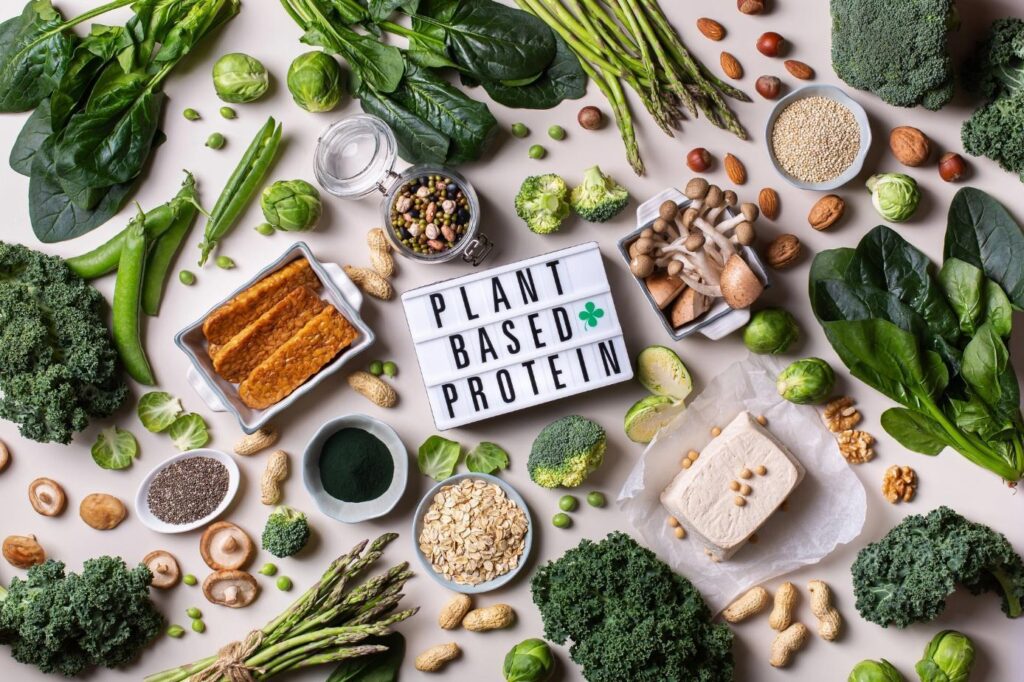
It’s three in the afternoon. You’re staring at your computer screen, reaching for your third cup of coffee, and wondering why you feel like you’re running on fumes. The culprit might not be lack of sleep. It could be that you’re not spreading adequate protein throughout your day. This becomes especially relevant if you’ve been cutting back on animal products without a clear plan for replacing that protein. The good news: plant-based protein sources are everywhere, and adding them to your meals requires less effort than you think.
Why Plant-Based Protein Matters for Everyone
Plant proteins deliver more than just amino acids. They come packaged with fiber, which slows digestion and keeps you full longer. Many contain antioxidants and phytonutrients that animal proteins lack entirely. If you’ve ever felt heavy after a meat-heavy meal, you know the difference. Plant proteins tend to be easier on your digestive system.
Environmental considerations aside, there’s a practical benefit to diversifying your protein sources. Relying on a single type of protein limits the range of nutrients you consume. You don’t need to adopt a vegan or vegetarian label to benefit from more plant proteins in your rotation. Think of it as adding options, not eliminating them.
Start Your Morning with Protein-Packed Breakfast Swaps
Breakfast sets the tone for your entire day’s eating pattern. Skip the protein here and you’ll likely be chasing hunger all morning.
Add two tablespoons of hemp seeds to your overnight oats. That’s 6 grams of protein with minimal effort. Chia seeds and ground flax work similarly, though they absorb more liquid and create a thicker texture. Stir them in the night before and forget about them.
If you make smoothies, blend in a quarter block of silken tofu. It adds 10 grams of protein and makes the texture creamy without altering the flavor. You won’t taste it through the fruit.
For those who default to avocado toast: mash half a cup of white beans or chickpeas and spread them on the bread before adding the avocado. You’ve just turned a snack into a meal that will hold you until lunch.
Power Up Your Smoothies and Shakes
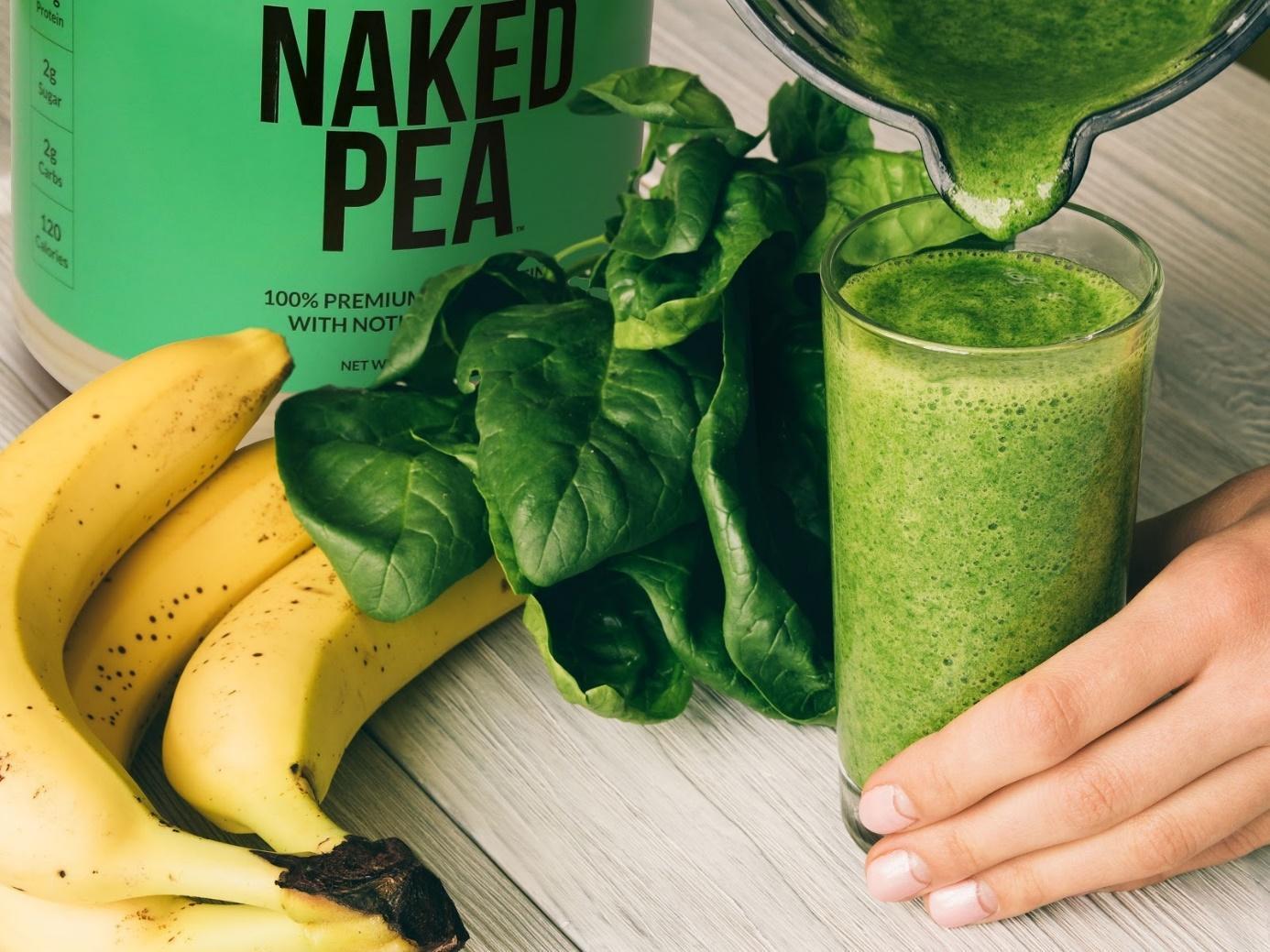
Smoothies are the lowest-effort entry point for more plant protein. The blender does the work.
Adding a scoop of plant-based protein powder transforms any fruit smoothie into something that actually sustains you. Pea protein powder contains all nine essential amino acids, making it a complete protein source. It blends clean without the chalky texture some plant powders have.
Try this: spinach, frozen banana, mixed berries, almond milk, and one scoop of pea protein. Blend until smooth. If you want something richer, go with frozen banana, cocoa powder, peanut butter, oat milk, and protein powder. Both versions take under three minutes to make and deliver 20-plus grams of protein.
The key is having the powder already portioned and ready. Measuring it out each morning adds friction you don’t need.
Simple Lunch and Dinner Additions
Most people build meals around a carb and a vegetable, then wonder why they’re hungry an hour later. Adding plant protein to what you already eat requires no recipe changes.
Toss a half cup of canned lentils into your salad. No cooking required. Rinse them, drain them, add them. Same with black beans or chickpeas. You’ve just added 8 to 10 grams of protein to something that had none.
Swap rice for quinoa as your grain base. Quinoa is a complete protein, containing about 8 grams per cooked cup. It cooks the same way as rice and takes the same amount of time.
If you make pasta, stir in a cup of edamame or white beans during the last two minutes of cooking. They heat through in the pasta water and add substance without requiring a separate pot.
Smart Snacking Throughout the Day
The gap between lunch and dinner is where most people lose the protein thread. By the time you sit down for your evening meal, you’re starving and prone to overeating.
Keep roasted chickpeas in a small container at your desk. A quarter cup gives you 6 grams of protein and the satisfying crunch of chips without the empty calories. You can buy them pre-made or roast a batch yourself with olive oil and whatever spices you have.
Nut butter on apple slices or celery sticks is reliable. Two tablespoons of almond or peanut butter adds 7 to 8 grams of protein. It’s a balanced mini-meal that stabilizes your blood sugar instead of spiking it.
Energy balls made from dates, oats, and seed butter work as pre-workout fuel or a mid-afternoon hold-over. Make a batch on Sunday. Roll them into tablespoon-sized balls. Store them in the fridge. Eat one or two when you need them.
Batch Prep Plant Proteins for the Week
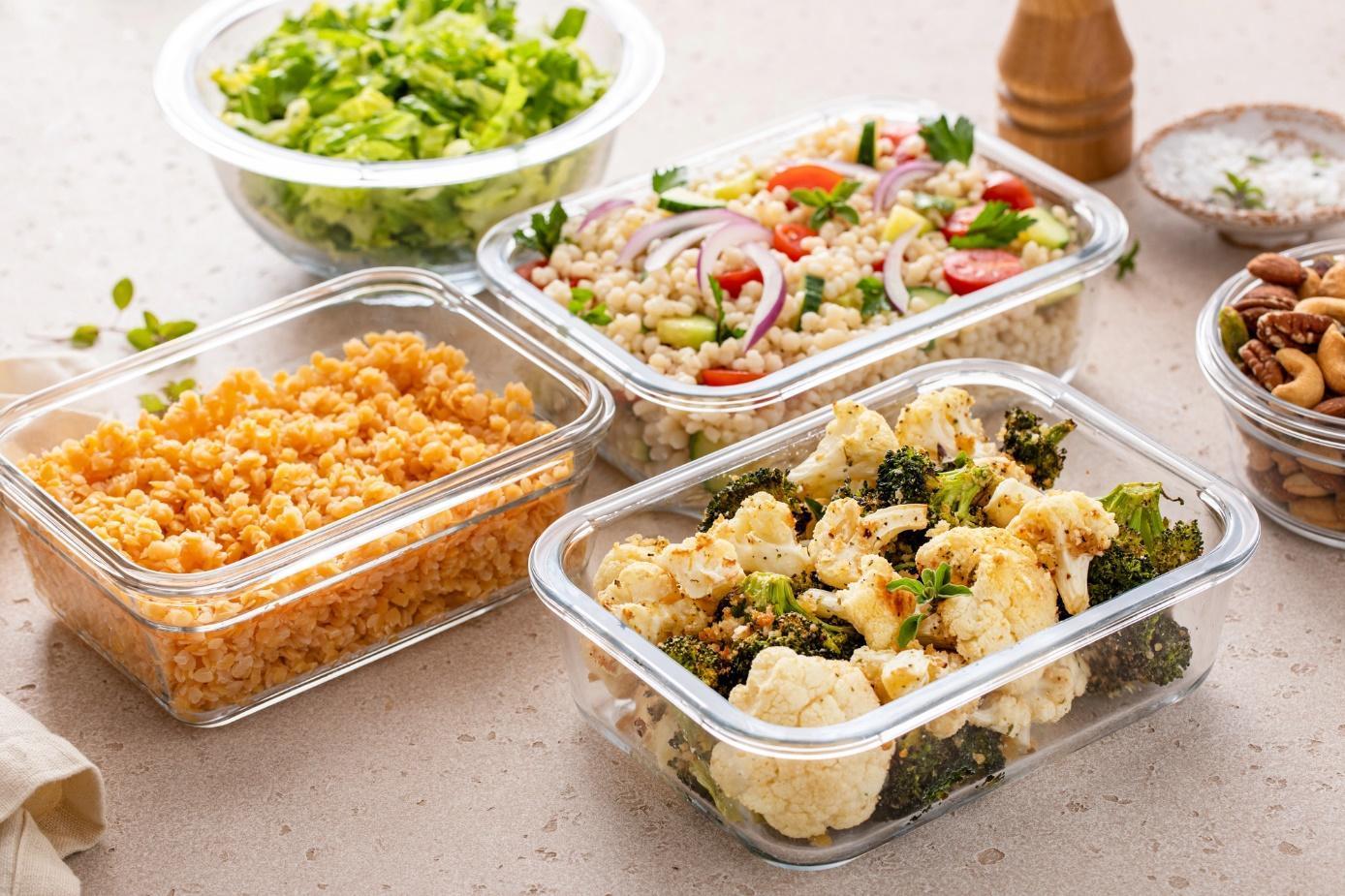
The reason convenience foods dominate is convenience. Make plant proteins equally convenient and you’ll actually eat them.
Cook two cups of dried lentils on Sunday. That yields about six cups cooked, which is enough for multiple meals throughout the week. Do the same with black beans, chickpeas, or quinoa. Store each variety in a separate glass container in your fridge.
When you’re ready to eat, you’re assembling, not cooking. Scoop some quinoa into a bowl. Add roasted vegetables. Top with chickpeas. Drizzle with tahini dressing. You’ve built a complete meal in under five minutes.
Speaking of tahini: make a big batch of tahini-lemon dressing (tahini, lemon juice, garlic, water to thin, salt). Or blend soaked cashews with nutritional yeast, garlic, and lemon for a cashew cream. These protein-rich sauces turn plain vegetables and grains into something you’ll want to eat. They last a week in the fridge and make everything taste better.
Make the First Swap This Week
You don’t need to overhaul your entire diet on Monday morning. That approach fails more often than it works. Start with one meal. Add hemp seeds to your breakfast. Blend pea protein into your smoothie. Toss beans into your lunch salad.
Once that swap becomes automatic, add another. Small, consistent changes compound over weeks. Three months from now, you’ll have built a completely different eating pattern without the friction of a major diet shift. The energy you gain shows up in the afternoon when you used to crash. That’s when you’ll know the changes are working.