
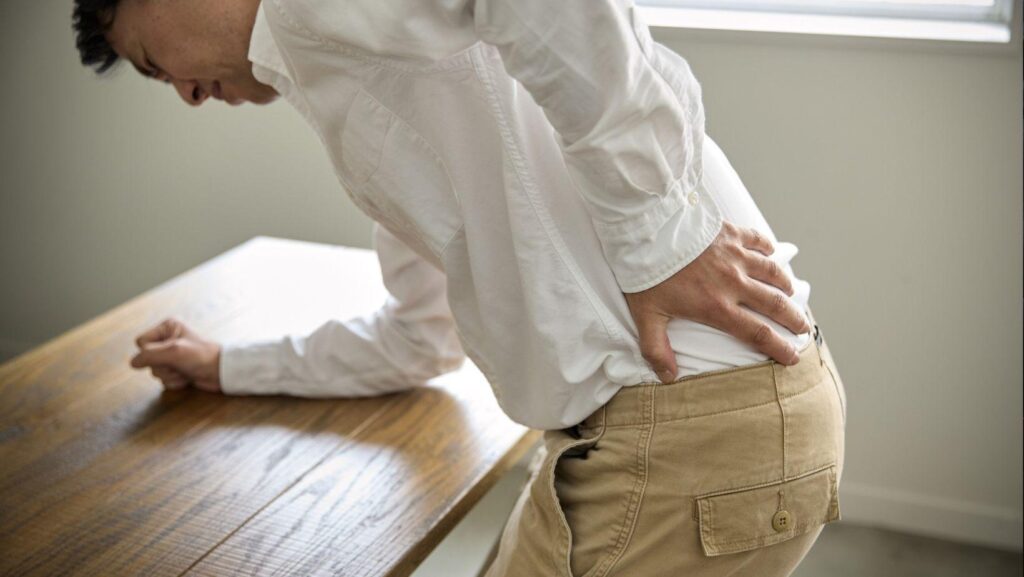
Chronic pain and mental health are often discussed separately, even though they can affect each other in powerful ways. Pain can influence your sleep, mood, relationships, work, and confidence. At the same time, anxiety, depression, prolonged stress, and other mental-health difficulties can affect how your body experiences and responds to pain.
That connection can make it difficult to know where one problem ends and another begins. Feeling anxious because you are in pain does not mean the pain is imaginary. Likewise, treating a physical condition may not resolve the emotional effects that developed while living with it.
This article covers important ways chronic pain and mental health can interact, including when each can contribute to the other and when professional support may be needed.
Chronic Pain Can Affect Your Mental Health
Living with pain for weeks, months, or years can gradually affect how you feel emotionally. When ordinary activities become difficult, you may stop doing things you previously enjoyed. You might avoid social events, reduce physical activity, or worry about whether a painful day is coming.
That loss of independence can be frustrating. You may also feel exhausted from constantly thinking about symptoms, appointments, medications, or whether your condition will improve. Over time, those experiences can contribute to anxiety, low mood, irritability, and emotional exhaustion.
In an email interview, Dr. Tan Sok Chuen, from Hip & Knee Orthopaedics, “Sleep can make the situation harder. Pain may keep you awake or cause you to wake repeatedly during the night. Poor sleep can leave you tired and less able to cope with discomfort the following day. This can create a difficult cycle where pain interferes with sleep and poor sleep makes the pain harder to manage.”
Mental Health Problems Can Make Pain Feel Worse
The relationship between mental and physical health can work in both directions. Anxiety, depression, and prolonged stress can affect how your nervous system responds to pain. When you feel tense or constantly focus on discomfort, even mild symptoms can become harder to ignore.
Anxiety may cause you to repeatedly check your body for signs that something is wrong. That constant attention can increase worry and physical tension, which may make pain feel more intense.
Depression can affect recovery in a different way. Low mood and reduced energy can make it harder to stay active, attend appointments, exercise, or maintain everyday routines. Over time, reduced activity may contribute to physical limitations and make recovery more difficult.
Casey Chappina, Founder & Executive Director at Saffron Therapeutic Services, explains, “Mental health can influence how people experience and respond to physical pain. Anxiety may increase tension and keep your attention focused on discomfort, while depression can make it harder to stay active or follow a recovery routine. Addressing both sides can support a more complete approach to recovery.”
Stress Can Create a Pain Cycle
Stress does not always cause a medical condition, but it can affect how your body responds to discomfort. During stressful periods, muscles may stay tense, sleep can become disrupted, and your attention may become focused on problems or physical symptoms.
If you already deal with chronic pain, these changes can make everyday symptoms harder to manage. You may notice that pain feels worse during demanding periods at work, family difficulties, financial pressure, or other stressful situations.
Daniyal Shaikh, AI Designer & Developer at Virtual Ring Try On, shares how demanding detailed creative work can become when precision and deadlines are involved. He says, “In design work, especially when you’re focused on small details and trying to get everything right, long hours and constant pressure can easily build up. Taking regular breaks and stepping away from the screen can help you reset before stress starts affecting your work and well-being.”
Pain can then create its own cycle. It may become harder to sleep, concentrate, or stay active, while exhaustion can make everyday stress feel even more difficult to manage. Recognizing that connection can help you take action before the cycle becomes harder to break.
Anxiety About Pain Can Change Your Behavior
Fear of pain can become a barrier to recovery. After an injury or surgery, you may avoid walking, exercising, lifting, bending, or other movements because you worry they will make your condition worse, even when your doctor has confirmed that the activity is safe.
While avoiding painful movement may feel protective at first, too much avoidance can reduce strength, mobility, and confidence. It can also make returning to normal activities more difficult.
Sade Savage, PA-C, DMSc, CAQ-psych, Board-Certified Psychiatric Physician Assistant at Zellig Psychiatry, adds, “Fear can have a real effect on recovery. When you become anxious about movement causing pain, avoiding that movement can feel safer, but it may also reduce your confidence over time. Gradually rebuilding that confidence with appropriate professional support can make it easier to return to everyday activities.”
Depression Can Develop After Long-Term Pain
Chronic pain can take away parts of life that once felt ordinary. You may struggle to work, exercise, sleep comfortably, spend time with family, or participate in hobbies. When those limitations continue for a long time, depression can become a genuine concern.
You might notice that you have lost interest in activities, feel persistently hopeless, withdraw from other people, or have difficulty finding motivation. These signs deserve attention, particularly when they continue for weeks and interfere with everyday life.
Rachel Donovan, Family Recovery & Intervention Advocate at Mandala Healing Center, notes, “Depression can make pain management harder. When motivation falls, keeping medical appointments, following rehabilitation plans, staying active, or maintaining regular sleep can become more difficult. The resulting loss of routine may further affect your physical and emotional well-being.”
When Mental Health Symptoms Need Their Own Treatment
Sometimes the emotional effects of chronic pain become significant enough to require direct mental-health treatment. Feeling frustrated after a painful day is understandable. Persistent anxiety, depression, panic, severe sleep problems, or thoughts of self-harm require a different level of attention.
A healthcare professional can help determine what type of support is appropriate. Treatment may include psychotherapy, medication, behavioral strategies, or a combination depending on the person’s symptoms and medical history.
Psychological treatment can also help you develop practical ways to manage the emotional burden of chronic pain. For example, cognitive behavioral therapy may help patients recognize unhelpful thought patterns and develop strategies for dealing with difficult symptoms.
Treating Both Sides Can Lead to Better Care
Chronic pain rarely fits into one simple category. You may have a physical condition that needs medical treatment while also dealing with anxiety, stress, fear, or other emotional difficulties caused by the experience. Both sides deserve attention.
Depending on your condition, your care may involve several professionals. A physician may investigate the cause of your pain, a physiotherapist may help with movement and strength, and a mental-health professional may support you with anxiety, coping, or other concerns.
Bill Sanders, from QuickPeopleLookup, highlights the importance of researching the people involved in your care. “When you’re dealing with an ongoing problem, it helps to know who you’re trusting with your care.” He even said, “Taking time to understand a professional’s background, experience, and qualifications can help you feel more confident about the people supporting you.”
Good communication between your healthcare providers also matters. Your pain, medications, sleep, mood, activity levels, and daily limitations can all provide useful information when building a treatment plan. Most importantly, emotional concerns should never be used to dismiss new or unexplained physical symptoms, and emotional distress should not be ignored when a physical diagnosis exists.
Final Thoughts
Chronic pain and mental health can influence each other in ways that are easy to overlook. Pain can contribute to anxiety, depression, poor sleep, isolation, and loss of confidence, while stress and mental-health conditions can make pain more difficult to manage. Neither side should be dismissed.
If pain has started affecting your mood, relationships, work, sleep, or daily activities, tell your healthcare provider. You may need medical treatment for the physical cause alongside support for the emotional effects. Getting help for anxiety or depression does not mean your pain is imaginary. It means you are addressing the full impact the condition is having on your life. A coordinated approach can help you manage symptoms and regain more control over everyday life.