
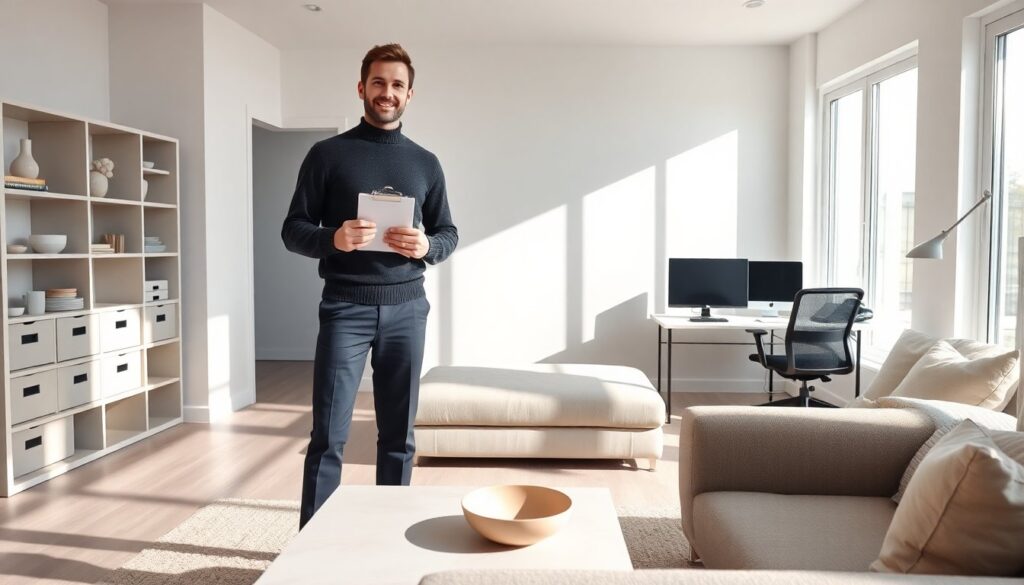
Latest simplyseven news gives a clear method to cut clutter and keep value. It asks people to own less and pick items that serve real purpose. It asks them to set simple routines and keep items that support daily function. This article explains the concept, the main rules, a 30-day start plan, and room-level checklists.
Key Takeaways
- SimplySeven minimalist living focuses on owning less by keeping seven core categories and prioritizing items that serve clear purpose and add value.
- The approach reduces clutter, decision fatigue, and spending, freeing time and money for more meaningful experiences and better rest.
- A 30-day SimplySeven plan helps gradually declutter by inventorying, culling, organizing, and establishing routines to maintain simplicity.
- Design choices emphasize function, multipurpose furniture, and visual calm to streamline daily use and decrease cleaning time.
- Room-level guidelines limit items to essentials, such as keeping only tools used weekly in the kitchen and maintaining a simple wardrobe in the bedroom.
- Daily, weekly, and monthly habits support ongoing upkeep, preventing clutter return and sustaining a calm, functional living space.
What Is SimplySeven Minimalist Living And Why It Matters
SimplySeven minimalist living means the person keeps seven core categories and limits excess. The method asks people to choose items that add value and remove items that add noise. It asks them to measure each item against purpose, frequency, and joy. The approach reduces time spent on cleaning, buying, and decision fatigue. It frees money for experiences or savings. It supports clearer focus at work and home. Many people report less stress and better sleep after they adopt SimplySeven minimalist living. The phrase appears in planning, buying, and daily habits to remind people of limits and priorities.
Core Principles Of The SimplySeven Approach
SimplySeven minimalist living rests on a few clear principles. They guide selection, layout, and upkeep. They reduce excess and increase useful items. They aim for calm visual space and easy upkeep.
Choose What Matters: Less, Better, Intentional Ownership
People reduce quantity to keep quality. They decide which items they use most. They keep items that serve clear functions. They sell, donate, or recycle items that they do not use. They avoid impulse buys and prefer slow decisions. They track one use-case per item. They let one clear rule guide purchases: replace or add only if the item improves daily routines.
Design For Use: Function, Multipurpose Pieces, And Visual Calm
They place items for direct use. They pick furniture that serves more than one role. They prefer storage that hides clutter. They choose colors that reduce visual noise. They place items to shorten movement and time. They test a layout for one week and then adjust. The design goal stays simple: ease use, cut cleaning time, and keep sight lines clear. For claims on sleep and recovery benefits tied to simple routines and health habits, readers can consult the five pillars of performance.
How To Start: A Practical 30-Day SimplySeven Plan
Day 1 to 3: Inventory and decision. They list room items and group them by use. They mark items they use weekly.
Day 4 to 10: Quick edits. They remove duplicates and clear flat surfaces. They keep seven categories and assign items to categories.
Day 11 to 17: Deep cull. They test each item against the rule: use, replace, or discard. They box items to donate and schedule pickups.
Day 18 to 24: Storage and layout. They put daily items within reach and store seasonal items out of sight. They label containers and pick uniform storage where it helps.
Day 25 to 30: Routine and review. They make daily, weekly, and monthly habits. They test routines and adjust. They set one rule for new purchases: wait seven days before buying.
This plan fits busy schedules. It asks for small daily work and clear decisions. It builds momentum. It lets people adapt SimplySeven minimalist living to family needs.
Room-By-Room Decluttering And Maintenance
Kitchen: They remove single-use gadgets. They keep tools used more than once per week. They store extras.
Living room: They keep seating and one media center. They hide cables and limit decor to three items per surface.
Bedroom: They keep a simple wardrobe and three sets of bedding. They remove items that interrupt sleep.
Bathroom: They keep active products only. They store backups out of sight.
Home office: They keep one monitor, one chair, and a simple filing system. They digitize papers and shred what they do not need.
Entry and storage: They keep daily outerwear near the door. They limit shoes and bags to seven items.
These rules help keep rooms functional and calm. They guide replenishment and purchases.
Quick Room Checklist: Daily, Weekly, And Monthly Habits
Daily habits: They clear counters and put items back in place. They wipe key surfaces and sort mail.
Weekly habits: They do a 15-minute sweep of each main room. They launder bedding and rotate items to storage.
Monthly habits: They review one category for excess. They donate or sell the items in one box. They check storage labels and update them.
These habits keep SimplySeven minimalist living active. They stop clutter from returning. They keep the home ready for work and rest.