
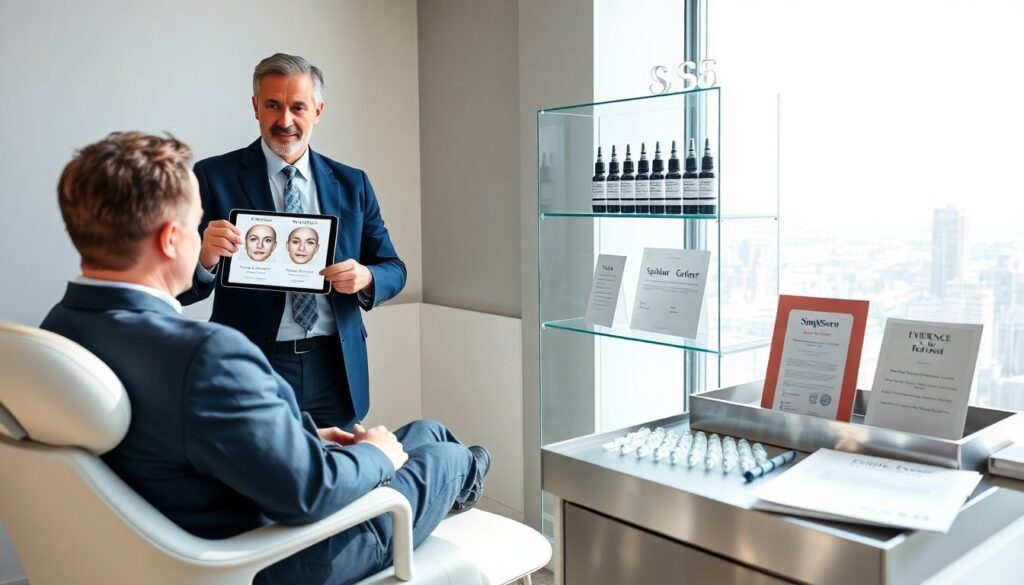
SimplySeven salmon sperm nose jobs trends have emerged as a new aesthetic topic in 2026. The trend mixes salmon sperm–derived ingredients with nose reshaping procedures. Readers want facts, risks, and practical steps. This article states what the trend is, how ingredients work, what evidence exists, and how to verify clinics and products.
Key Takeaways
- SimplySeven salmon sperm nose jobs combine salmon sperm–derived serums or injectables with nose reshaping procedures to improve skin texture and healing.
- Salmon sperm ingredients contain peptides and DNA fragments thought to hydrate skin and stimulate collagen, but their benefit in nose jobs is additive and not structurally transformative.
- Safety concerns include minor allergic reactions and redness; individuals with fish allergies or immune conditions should avoid these treatments.
- No high-quality clinical evidence currently supports the efficacy or safety of salmon sperm additives in rhinoplasty, so consumers should request product testing and scientific data.
- Cost varies widely from topical serums to combined surgical packages, with recovery dependent on the base procedure and limited longevity of salmon sperm effects.
- Patients should verify clinic credentials, ask for ingredient safety documentation, and be cautious of marketing claims lacking peer-reviewed support.
What Is the SimplySeven Salmon Sperm Nose Job Trend?
The SimplySeven salmon sperm nose jobs trends refer to procedures that pair injectables or topical serums with surgical or non-surgical nose reshaping. Clinics label treatments with the SimplySeven name to highlight a salmon sperm ingredient. Patients pursue these treatments for skin texture and subtle contour claims. The trend grew on social media in late 2024 and 2025. Providers advertise faster healing and smoother skin after rhinoplasty when they add salmon sperm products. Consumers should treat marketing claims as unproven until independent data appears.
How Salmon Sperm–Derived Ingredients Are Supposed To Work
Producers extract peptides and DNA fragments from salmon sperm. They mix these components into serums and topical solutions. Marketers claim those molecules hydrate skin and stimulate collagen. Some providers claim reduced scarring and faster epithelial repair. Cells in human skin respond to peptides and nucleotides in controlled lab studies. The jump from lab results to clinical benefit in nose jobs remains large. Consumers should expect marginal topical benefits rather than dramatic structural change from these ingredients alone. The SimplySeven salmon sperm nose jobs trends rely on additive, not primary, effects.
Safety, Side Effects, and Scientific Evidence
Regulators list salmon-derived cosmetics as low risk when manufacturers purify and test them. Clinics sometimes use unregulated mixes in procedural settings. Reported side effects include redness, itching, and rare allergic reactions. No large randomized trials support improved rhinoplasty outcomes from salmon sperm additives. Practitioners base use on small case series and vendor data. Consumers should ask for safety testing, batch records, and published studies. The SimplySeven salmon sperm nose jobs trends currently lack high-quality evidence for safety or efficacy in nose reshaping.
Who Should Avoid This Procedure And Key Risk Factors
People with seafood or fish allergies should avoid salmon sperm ingredients. Patients with autoimmune disease or ongoing immunosuppression should seek specialist advice. Pregnant or breastfeeding people should defer elective treatments until after pregnancy. Individuals with active skin infection at the nose site should wait until full resolution. Providers should screen for allergies, prior fillers, and medication interactions. The SimplySeven salmon sperm nose jobs trends add potential antigen exposure that raises risk for sensitive patients.
Procedure Types, Alternatives, And Expected Results
Clinics offer three approaches under the SimplySeven salmon sperm nose jobs trends. They sell topical pre- and post-op serums, injectable cocktails mixed with peptides, and combined surgical packages. Topicals aim to improve texture and hydration. Injectables aim to reduce inflammation and scarring. Surgery remains the primary method to change nasal shape. Non-surgical fillers still shape the nose without surgery. Alternatives include proven wound-care protocols, silicone strips, and medical-grade growth factor serums with established safety data. Patients should expect modest cosmetic gains from salmon sperm additives, not dramatic reshaping.
Cost, Recovery Timeline, And Longevity Of Results
Costs vary widely by clinic and by product. Topical serums range from modest retail prices to premium clinic fees. Injectable mixes and combined surgical packages add several hundred to several thousand dollars. Recovery follows the underlying procedure. Topicals add no extra downtime. Injectables may cause brief swelling for one to two weeks. Surgical recovery depends on the surgical technique and ranges from one to six weeks for visible healing and up to a year for internal remodeling. The longevity of salmon sperm effects is unclear. Most claims last while the product use continues and fade after cessation.
How To Verify Clinics, Ingredients, And Legal/ Ethical Concerns
Consumers should verify clinic credentials, supplier documentation, and ingredient safety data. Patients should confirm surgeon board certification and facility accreditation. They should request product safety sheets and batch testing records. They should ask for peer-reviewed evidence supporting product use in rhinoplasty. They should avoid clinics that pressure for add-on packages without data. Media coverage highlighted celebrity use of fish DNA facials, which raised public interest in salmon sperm ingredients: see a relevant report for context. Clinics should disclose sourcing, animal welfare, and consent for experimental use. Regulators may treat these additives as cosmetics or biologics depending on claims, so legal status can vary by jurisdiction.