
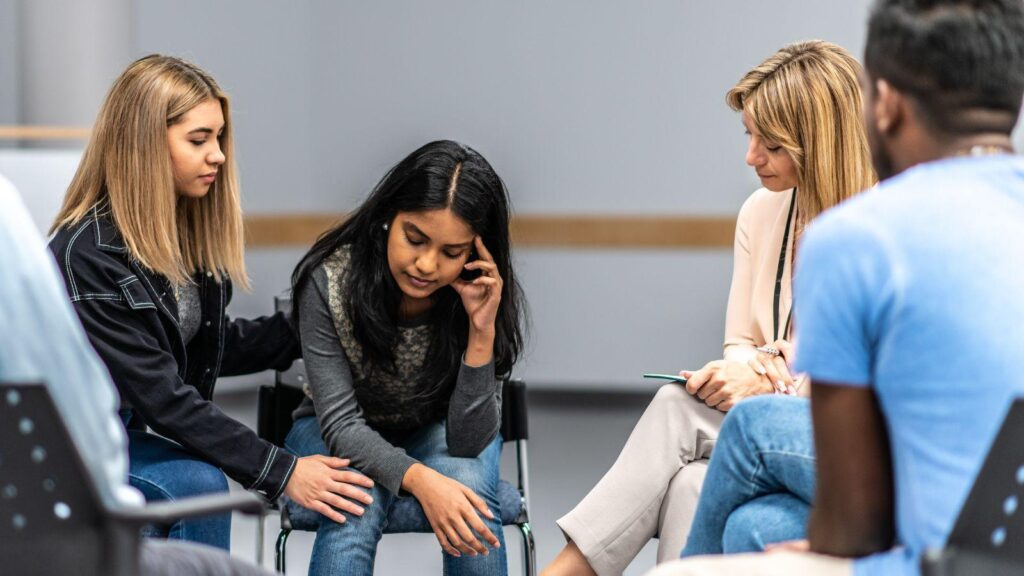
Recovery looks different for every woman. Personal experiences, family responsibilities, relationships, trauma, career demands, and physical health all shape the path forward. While there is no single treatment model that works for everyone, many women find that gender-specific care creates an environment where they can focus on healing without many of the pressures they experience in everyday life. Programs designed specifically for women recognize these unique challenges while offering practical support that encourages lasting progress. For women who want compassionate, personalized care, gender-specific treatment can provide a strong foundation for rebuilding confidence and creating a healthier future.
Understanding Why Women’s Recovery Needs Are Different
Every woman’s story is unique, but there are common experiences that often influence addiction recovery. Many women have spent years putting children, partners, careers, or aging parents before themselves. Others have experienced trauma, anxiety, depression, or unhealthy relationships that affected their well-being long before treatment became necessary. Addressing these factors alongside addiction creates a more complete approach to recovery.
Choosing rehab for women gives participants the opportunity to work with professionals who understand how these experiences can shape treatment needs. Therapy sessions often explore emotional health, communication, family dynamics, self-worth, and healthy boundaries in ways that reflect challenges many women face throughout different stages of life. Instead of trying to fit into a broad treatment model, women receive care designed with their experiences in mind.
Many women also feel more comfortable discussing deeply personal topics in an all-female setting. That increased comfort can encourage greater honesty during counseling sessions, leading to more meaningful conversations and stronger therapeutic relationships over time.
Building Confidence Through Shared Experiences
One of the greatest strengths of gender-specific treatment is the sense of community that often develops among participants. Women may arrive feeling isolated or embarrassed about asking for help, only to discover they are surrounded by others who understand many of the same struggles.
These shared experiences can reduce feelings of shame and replace them with encouragement, understanding, and accountability. Group discussions become opportunities to exchange practical coping strategies while celebrating milestones together. Instead of feeling judged, many women discover they are genuinely supported by people who recognize both the challenges and victories that recovery brings.
Supportive environments also encourage women to practice healthy communication skills. Learning how to express emotions, ask for help, and establish healthier relationships creates benefits that extend well beyond treatment. These skills often improve family relationships, friendships, and workplace interactions long after formal care has ended.
Creating Space for Personal Growth and Pursuing Your Passion
Recovery is about far more than stopping unhealthy behaviors. It also creates an opportunity to rediscover interests, strengths, and personal goals that may have been overlooked for years. Many women enter treatment having spent so much time caring for others that they struggle to identify what truly brings them joy.
Programs often encourage pursuing your passion through creative activities, education, career planning, fitness, volunteer opportunities, or personal development. Exploring new interests helps replace unhealthy habits with meaningful routines that support emotional wellness and long-term stability.
As confidence grows, many women begin setting goals they once believed were out of reach. Some return to school. Others launch businesses, strengthen their parenting skills, improve physical health, or reconnect with hobbies they abandoned years earlier. These accomplishments reinforce the belief that recovery is not defined by limitations but by new possibilities waiting to be explored.
Personal growth also creates resilience. Women who develop fulfilling routines and meaningful goals often build stronger motivation to protect the healthy lives they have worked so hard to create.
Addressing Physical and Emotional Wellness Together
Women’s health involves far more than emotional recovery alone. Hormonal changes, reproductive health, pregnancy, menopause, nutrition, sleep quality, and stress all influence overall well-being. Effective gender-specific care recognizes these connections instead of treating addiction as an isolated issue.
Comprehensive treatment may include nutritional guidance, stress management techniques, exercise, mindfulness practices, and counseling that addresses co-occurring mental health concerns when appropriate. Treating the whole person supports healthier decision-making while improving overall quality of life.
Learning practical coping skills also prepares women for everyday challenges after treatment. Managing stress without relying on unhealthy coping mechanisms takes practice, and structured programs provide opportunities to build those skills before returning to daily routines. As women become more confident handling setbacks, they often feel better equipped to maintain long-term recovery while balancing family, work, and personal responsibilities.
Finding Strength in a Recovery Community That Lasts
Leaving treatment does not mean leaving support behind. Continued recovery often includes alumni programs, outpatient services, peer support groups, counseling, and regular check-ins that help women stay connected as life evolves. Having a reliable network makes it easier to navigate major life changes while maintaining healthy habits.
Women who build supportive relationships during treatment frequently continue encouraging one another well after completing their programs. These lasting connections provide motivation during difficult moments while celebrating achievements along the way. Recovery becomes less about facing challenges alone and more about remaining connected to people who genuinely understand the journey.
Choosing gender-specific care is not about separating women from others. It is about creating an environment where they can heal, grow, and develop the confidence needed for lasting recovery. Even after treatment ends, the skills, relationships, and self-awareness gained along the way continue supporting a healthier future.