
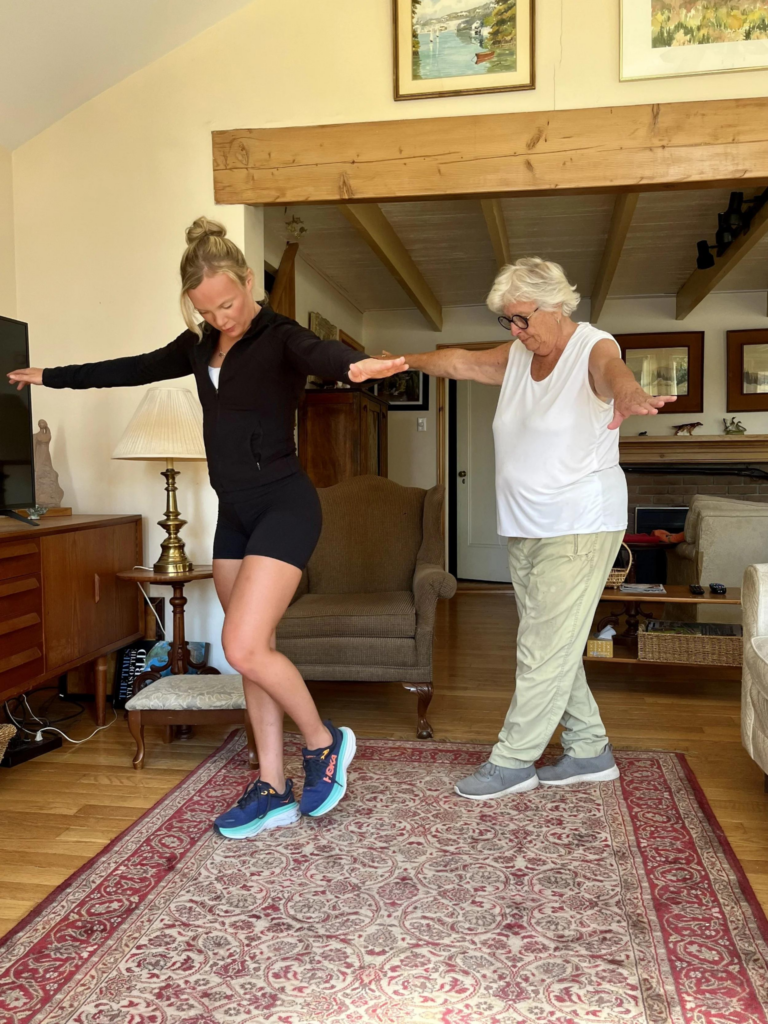
Balance and stability training becomes increasingly important after age 65 because it helps older adults move safely, remain independent, and reduce the risk of falls. Even simple daily activities, such as stepping into the shower or getting up from a chair, require coordination, strength, and body control.
Age-related changes do not mean that poor balance is unavoidable. With regular, appropriate exercise, many older adults can improve their stability and feel more confident when walking, turning, climbing stairs, or moving around the home.
Why Balance Often Changes With Age
Several physical changes can affect balance as people grow older. Muscles may weaken, joints may become less flexible, and reaction time may slow down. Changes in vision, hearing, or sensation in the feet can also make it harder to notice hazards or adjust quickly.
Some medications and health conditions may further affect steadiness. A person might feel dizzy when standing, tire easily, or avoid movement due to discomfort. Over time, reduced activity can lead to even more weakness and instability.
Stronger Muscles Support Better Stability
Good balance depends partly on the strength of the legs, hips, core, and ankles. These muscles help the body stay upright and respond when a person trips, slips, or steps onto an uneven surface.
Useful strengthening movements may include:
- Sit-to-stand exercises from a sturdy chair
- Supported calf raises
- Side leg lifts
- Low step-ups
- Gentle resistance-band exercises
- Controlled heel-to-toe walking
A personal trainer for seniors can adjust these exercises according to the individual’s mobility, confidence, and health needs. This is especially helpful for someone who is returning to exercise after a long break.
Practicing Balance in a Safe Setting
Balance exercises should be challenging enough to produce improvement, but not place the person at unnecessary risk. Many movements can be performed beside a stable chair, countertop, or wall.
Training may involve shifting weight from one foot to the other, standing with the feet closer together, changing direction while walking, or lifting one foot briefly from the floor. As ability improves, the exercises can become slightly more demanding.
The goal is not to perform difficult movements quickly. Slow, controlled practice is usually more useful because it teaches the body to maintain proper positioning.
Training for Everyday Activities
Effective balance training should relate to real situations. Older adults regularly need to turn, bend, reach, step around furniture, carry light objects, and walk across different surfaces.
Working with a personal trainer at home allows exercises to be practiced in the environment where the person spends most of the day. The trainer may also notice rugs, poor lighting, clutter, or furniture arrangements that could increase the chance of falling.
Training at home can include practicing safe stair use, standing from a familiar chair, or moving through narrow spaces without rushing.
Building Confidence Through Regular Practice
Fear of falling can cause older adults to limit their activity, even when they are physically able to move. This may lead to weaker muscles and greater dependence on others.
Supervised training provides reassurance while allowing progress at a manageable pace. Small improvements, such as standing more steadily or walking with better posture, can make daily movement feel less stressful.
Consistency matters more than intensity. Short, regular sessions can help maintain strength, coordination, mobility, and confidence without placing excessive strain on the body.