
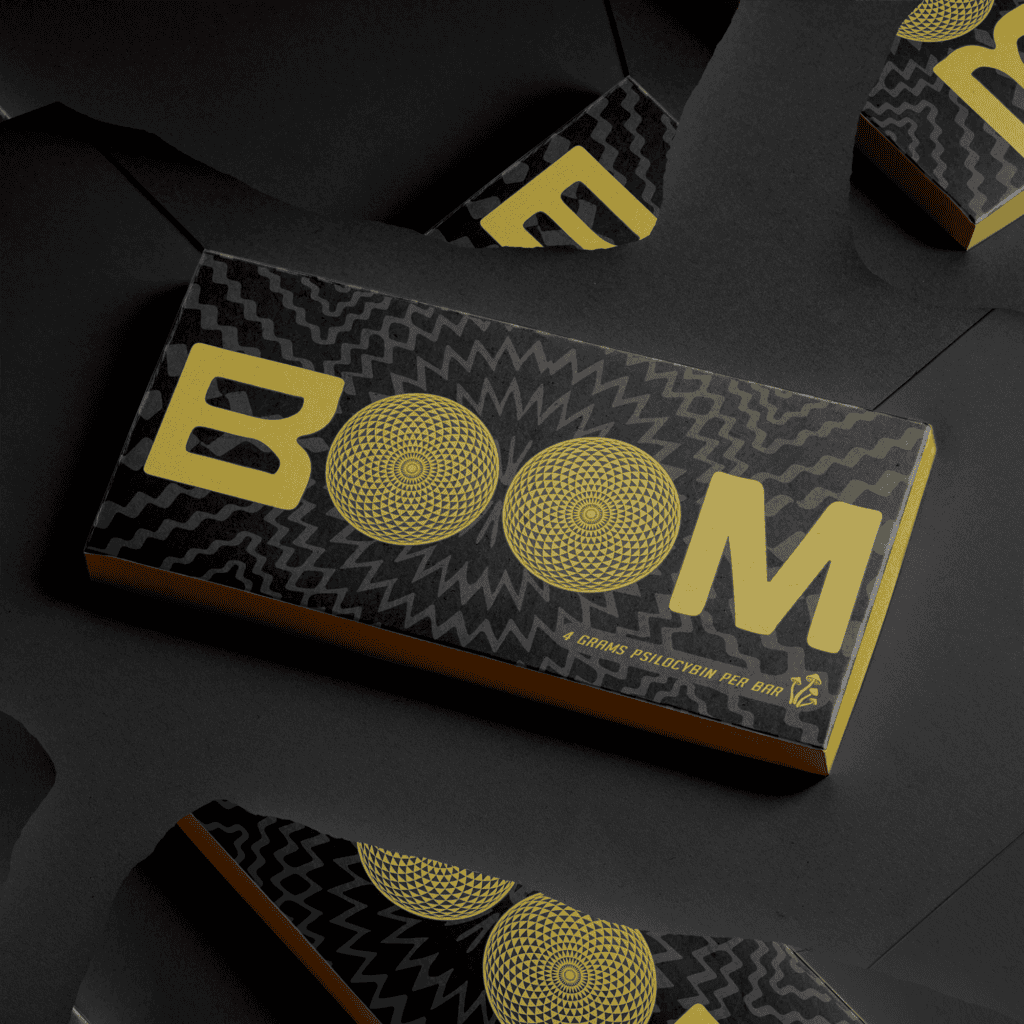
The growing conversation around psychedelics has introduced many people to products they may not have encountered in the past. Among the most frequently discussed options is magic mushroom chocolate, a product that combines chocolate with psilocybin-containing mushrooms in a familiar edible format.
As research institutions continue studying psychedelic compounds and public awareness expands, curiosity surrounding mushroom-infused products has increased. News coverage, podcasts, documentaries, and online communities have all contributed to making these products more visible than ever before.
Although interest continues to grow, many individuals still have questions about how mushroom chocolate products emerged, why chocolate became such a popular format, and what factors people should understand when researching this category. Exploring these topics can provide valuable context for anyone seeking reliable information.
How Mushroom Chocolate Became Part of a Changing Consumer Landscape
Consumer preferences have changed dramatically over the last decade. Across many industries, people often look for products that offer convenience, familiarity, and accessibility.
This trend has influenced discussions surrounding mushroom-based products as well. While mushrooms have historically been consumed in their natural form, manufacturers and enthusiasts began experimenting with alternative formats that could provide a different user experience.
Chocolate quickly emerged as one of the most recognizable options. Because chocolate is already widely consumed around the world, it offered a familiar foundation for creating mushroom-infused products.
As a result, mushroom chocolate gained attention among individuals interested in learning about evolving psychedelic product formats.
The Appeal of Familiar Formats in Specialty Products
One reason chocolate continues to attract attention is its familiarity.
When consumers encounter a completely unfamiliar product, they may feel hesitant to explore it. However, when a product resembles something they already recognize, it can appear more approachable.
Chocolate offers several practical characteristics:
These characteristics have contributed to its popularity across numerous specialty product categories.
Why Public Awareness Has Expanded So Quickly
The rapid growth of public awareness surrounding psychedelic topics has not occurred by accident. Several developments have contributed to increased visibility.
Expanding Scientific Research
Universities and research institutions continue studying psychedelic compounds under carefully controlled conditions. As research findings receive media attention, public curiosity often increases as well.
Digital Information Sharing
The internet has transformed how people learn about emerging topics. Educational websites, podcasts, online communities, and social media platforms have made information more accessible than ever before.
Mainstream Media Coverage
Documentaries, interviews, and news articles have introduced psychedelic subjects to audiences that may have had little prior exposure to the topic.
Together, these factors have created an environment where discussions about mushroom-based products occur far more frequently than in previous decades.
Understanding the Compound Behind the Conversation
At the center of many discussions is psilocybin, a naturally occurring compound found in certain mushroom species.
When consumed, psilocybin is converted by the body into psilocin. Researchers believe psilocin interacts with serotonin receptors in the brain, influencing various aspects of perception and cognition.
Scientists continue exploring how these interactions may affect:
Research in this area remains ongoing, and many questions continue to be explored through controlled scientific studies.
The Difference Between Public Interest and Scientific Evidence
One important distinction is the difference between popularity and scientific validation.
A product may receive significant attention online without having extensive scientific support for every claim associated with it.
As public conversations expand, consumers often encounter a mixture of:
Separating evidence-based information from speculation remains an important part of understanding any emerging topic.
Individuals who want reliable information should prioritize peer-reviewed studies and credible educational sources whenever possible.
Product Variety Continues to Shape the Market
The broader mushroom product category now includes a wide range of formats beyond traditional preparations.
Examples include:
This diversification reflects changing consumer preferences and ongoing experimentation within the marketplace.
As interest grows, people often encounter discussions about specific products and manufacturers. The theboom.bar is one example frequently mentioned in conversations involving mushroom-infused chocolate products and broader industry trends.
The visibility of various brands highlights the growing interest in alternative product formats within this evolving category.
Why Product Transparency Matters More Than Ever
As consumer awareness increases, transparency has become an increasingly important topic.
Many consumers now pay closer attention to:
Ingredient Information
Understanding what a product contains is a fundamental part of informed decision-making.
Manufacturing Practices
Consumers often prefer products produced through consistent and clearly documented processes.
Accurate Labeling
Clear labeling can help reduce confusion and support consumer confidence.
Educational Resources
Brands and organizations that provide educational information can help consumers better understand products and associated considerations.
Transparency continues to play a central role in discussions about quality and consumer trust across many industries.
The Ongoing Conversation About Safety and Responsibility
Whenever discussions involve psychoactive substances, safety remains an important consideration.
Researchers and public health experts frequently emphasize the importance of:
Because experiences and outcomes can vary significantly, responsible education remains one of the most valuable tools available to consumers.
This approach encourages informed decision-making rather than reliance on rumors or misconceptions.
What the Future May Hold for Mushroom-Based Products
Interest in psychedelic compounds shows little sign of disappearing. Researchers continue studying these substances, while public discussions continue evolving.
Future developments may include:
As knowledge grows, the conversation surrounding mushroom-based products will likely become more nuanced and evidence-driven.
Understanding the topic today requires balancing curiosity with critical thinking and a commitment to reliable information.
Final Thoughts
The increasing visibility of magic mushroom chocolate reflects broader changes in public awareness, scientific research, and consumer interest. What was once a relatively niche topic has become part of larger discussions involving mental health research, neuroscience, regulation, and product innovation.
As new information continues to emerge, individuals interested in learning about mushroom chocolate products should focus on credible sources, evidence-based research, and current legal guidelines. By approaching the topic thoughtfully, consumers can develop a clearer understanding of the factors shaping this rapidly evolving area of interest.
Frequently Asked Questions
What is magic mushroom chocolate?
Magic mushroom chocolate is a chocolate product that contains psilocybin-containing mushrooms or mushroom-derived ingredients associated with psychedelic compounds.
Why is chocolate commonly used in these products?
Chocolate helps create a familiar edible format and can reduce the earthy flavor often associated with mushroom ingredients.
Why has public interest increased in recent years?
Growing scientific research, media coverage, documentaries, podcasts, and online discussions have all contributed to increased awareness.
Does scientific research on psilocybin continue today?
Yes. Universities and research institutions around the world continue conducting controlled studies involving psilocybin and related compounds.
Are all mushroom chocolate products the same?
No. Products may vary significantly in ingredients, formulations, manufacturing practices, and intended use.
Is product popularity the same as scientific validation?
No. Public interest and online discussions should not be viewed as proof of safety, effectiveness, or medical approval.
Why is product transparency important?
Transparent labeling and accurate information help consumers better understand products and make informed decisions.
Where can reliable information be found?
Trusted sources include academic journals, universities, healthcare professionals, government health agencies, and peer-reviewed research publications.