
When someone you love starts the slow, steady work of recovery from substance use, the rest of the family usually steps into a strange role. You want to help. You want to trust. You want to give space. You also remember every difficult moment from before, and you don’t want to ignore warning signs again. Most family members carry all of those instincts at once, often without anywhere clear to put them.
That’s where the practical tools modern recovery programs actually use can be quietly reassuring. Behind the therapy sessions and group meetings is a layer of small, structured supports that help everyone involved stay grounded. They’re not glamorous. They’re not the heart of recovery. But for families trying to do the right thing without becoming the substance police, they can change the whole emotional temperature of the relationship.
This is a compassionate, jargon-free guide to those tools, with a particular focus on one that often surprises people the first time they encounter it: routine, transparent drug screening, and the simple plastic cups that make it possible.
Why “Helping” Feels So Hard
Most families struggle with the same emotional knots when a loved one is in recovery.
The first is hyper-vigilance. After a hard period, every late text, every closed door, every unfamiliar friend feels like a possible sign. Family members start watching, often without meaning to, and the watching itself slowly turns trust into surveillance. The relationship gets quieter, more careful, more strained.
The second is the opposite, an almost reflexive over-trust. Some family members swing toward “let’s all just pretend it’s fine” because the alternative feels too painful. They stop asking questions, stop checking in, and stop noticing patterns, in part because noticing felt unbearable last time.
The third is guilt and second-guessing. Did I cause this? Should I have caught it sooner? Am I enabling now? Am I being too harsh? Almost every family member of someone in recovery has spent late nights cycling through some version of those questions.
The hardest truth, and the most freeing one, is that none of these emotional patterns are signs of a bad family. They’re predictable responses to a hard situation. What changes the experience is structure: shared, transparent agreements that take some of the weight off any individual person’s shoulders.
What Modern Recovery Programs Actually Look Like
Recovery from substance use, at its evidence-based best, is not a single intervention. It’s a system of interlocking pieces that support each other. The key components most programs include:
Therapy, often a combination of cognitive behavioral therapy, dialectical behavior therapy, motivational interviewing, or trauma-informed care, depending on the person.
Peer support, whether through 12 step communities, SMART Recovery, faith-based groups, or specialized communities for veterans, LGBTQ+ folks, healthcare professionals, or other shared identities.
Medication-assisted treatment when clinically appropriate, especially for opioid use disorder, where medications like buprenorphine and methadone significantly reduce overdose risk and support long-term stability.
Lifestyle support, including sleep, nutrition, exercise, mindfulness, and rebuilding a social life that doesn’t revolve around substances.
Routine accountability tools, which is where structured drug screening usually shows up.
For families, the most important thing to understand is that the core of recovery is the human and clinical work. The rest is structure that supports that work. Drug screening, used well, is a structural support, not the recovery itself.
Drug Screening as a Wellness Tool, Not a Punishment
For a long time, drug testing carried a punitive cultural shadow. The default association was “trying to catch you.” Modern, evidence-based recovery programs have largely moved past that framing, and for good reason: punitive testing tends to break trust, drive concealment, and push people out of treatment, all of which are exactly the opposite of what a family wants.
Inside a healthy program, drug screening functions much more like a regular blood sugar reading for someone managing diabetes. It produces information. The information informs the plan. A positive result triggers a clinical conversation and a plan adjustment, not automatic shaming or expulsion. The point is to see what’s happening clearly, early, with enough time to do something useful.
In practical settings, screening typically appears in:
Outpatient treatment programs, where it’s part of regular sessions and used to track progress.
Sober living homes, where it’s typically built into the house agreement transparently and applied uniformly to everyone.
Medication-assisted treatment programs, where it confirms that prescribed medications are being taken as intended and that no complicating substances are present.
Pain management contexts, where it’s part of responsible long-term prescribing protocols.
Family agreements, where with informed consent it can take pressure off day-to-day relational dynamics.
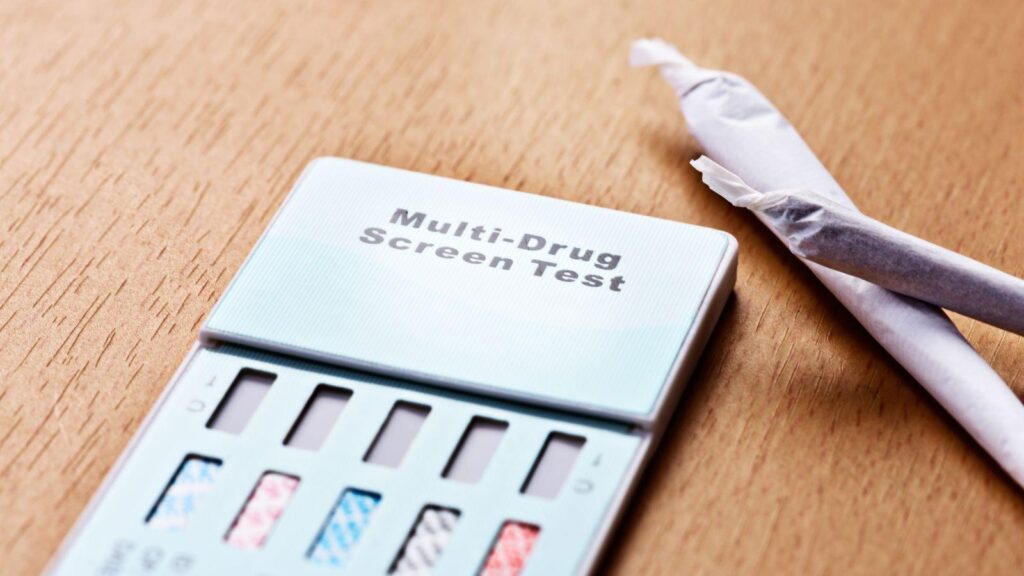
The hardware in all those settings is essentially the same: a small, sealed plastic cup with multiple test strips inside, capable of screening for several substances at once and giving preliminary results in about five minutes. Suppliers like 12 Panel Now sell multi-panel Drug Test Cups, including 12, 13, and 14 panel configurations, used by clinics, treatment programs, and other organizations to detect a wide range of common substances in a single integrated device.
It’s worth saying clearly: cup-style tests are screening tools. A preliminary positive doesn’t replace lab confirmation by gas chromatography mass spectrometry or liquid chromatography mass spectrometry, which is the gold standard for any decision with serious consequences. In well-run programs, a positive cup result triggers a clinical follow up, not a verdict.
How a Drug Test Cup Actually Works
Understanding what’s inside the cup demystifies it quickly, and demystifying it is part of how the framing shifts from “scary thing” to “useful tool.”
Inside a sealed cup, a row of test strips runs along one wall. Each strip is loaded with antibodies that bind to a specific drug class. When a sample enters the cup, capillary action pulls urine up through each strip. If a substance is present at or above the strip’s cutoff threshold, it occupies those antibodies and prevents a colored line from appearing. A separate control line confirms the test ran correctly. So the read is simple:
Two lines on a strip means negative. The substance wasn’t detected at the cutoff level.
One line, control only, means preliminary positive. The substance may be present.
No control line means invalid. Run the test again.
A built-in temperature strip on the side confirms the sample is fresh, typically between 90 and 100 degrees Fahrenheit. Most cups also have a one-way lid valve and tamper-evident seal so the sample can’t be doctored after collection. The whole process takes about five minutes.
That’s the entire device. A clever piece of immunoassay packaging, designed to be readable by anyone, anywhere, without electronics or a lab.
Where Families Fit Into All of This
A common, quiet question from families is, “Should I be testing my loved one at home?” The honest answer is almost always: ask the care team first.
Unilateral, surprise testing run by family members is one of the things that most often damages trust in a recovery relationship. Even when it’s done out of love, the experience on the receiving end can feel like surveillance, and the data can be confusing without clinical context. A negative result at home doesn’t mean someone is using substances the cup doesn’t screen for, and a preliminary positive at home, without confirmatory lab testing, can spiral into a fight that didn’t need to happen.
A better frame is: testing is part of the program, not the family. Families can absolutely talk to their loved one’s clinical team, treatment program, or sober living staff about how testing fits into the plan, and ask whether including the family in regular check-ins or shared updates would be helpful. In many programs, the answer is yes, with informed consent. In others, the answer is “stay focused on the relationship and let us handle the data.” Both are valid.
When testing does become part of a family agreement, the same principles apply that make it work in clinical settings:
It’s transparent. Everyone knows in advance how it works, who reviews results, and what happens after a positive result.
It’s consistent. The same protocol applies every time, not selectively when someone is feeling suspicious.
It’s paired with real support. Therapy, peer support, lifestyle work, and time spent connecting as humans, not just monitoring.
The response is non-punitive. A positive result triggers a conversation and a plan adjustment, not a moral verdict.
When those conditions hold, structure adds calm. When they don’t, structure adds harm. The technology is the same; the frame around it is what determines the outcome.
What Families Can Actually Do
If you’re supporting someone in recovery and looking for practical, low-conflict ways to help, a few moves consistently land better than the more dramatic ones:
Stay connected as a person, not as a monitor. Ask about their week, their work, their friends, the small stuff. Make sure most of the relationship lives outside the recovery topic.
Educate yourself about the actual disease. Substance use disorder involves real changes to the brain’s reward and decision systems. Understanding that on a clinical level helps the language come out softer and more honest.
Take care of your own support system. Family groups like Al-Anon, Nar-Anon, SMART Recovery for Family and Friends, and therapist-led family programs exist precisely because the people around someone in recovery need their own structure too.
Trust the program, and let it carry the weight it’s designed to carry. Therapy is its job. Medication is its job. Drug screening, when it’s part of the plan, is its job. Your job is to stay in the human relationship, the one that actually matters most over the long term.
The Bottom Line
When a loved one is in recovery, the most useful thing a family can usually do is stop trying to be the whole system and start trusting the system to be the system. Modern programs are built out of practical, evidence-based pieces that work together: therapy, peer support, medication when appropriate, lifestyle structure, and quiet, transparent accountability tools like routine drug screening.
The cups, the strips, the temperature gauges, none of that is what saves anyone. The combination of clinical work, community, and a family that stays present, kind, and a little less scared than they were before, is what actually does. Understanding the tools just makes it easier to stay calm enough to keep showing up.
That’s the real gift family members can give. Not perfect vigilance, and not blind trust, but informed, compassionate presence. The structure exists so you can focus on that.
FAQ: Family Guide to Recovery Tools & Drug Test Cups
1. Why do recovery programs include drug testing at all?
Drug testing is used as a structured support tool, not a punishment. It helps clinicians and programs track progress, identify potential setbacks early, and adjust care plans when needed. In well-run programs, results are used to guide support and conversation—not to shame or remove someone from care.
2. Does drug testing mean families should start testing their loved one at home?
Not usually. Most recovery experts recommend against unsupervised or surprise home testing because it can damage trust and create confusion without clinical context. If testing is part of a plan, it’s best managed through the treatment team or program with clear, agreed-upon rules.
3. How do drug test cups actually work in recovery settings?
Multi-panel drug test cups use built-in test strips that detect specific substances in urine. If a substance is present above a set threshold, a visual line pattern indicates a preliminary result in minutes. These are screening tools only, and any important result should be confirmed through lab testing.
4. What should families do if a test result is positive?
A positive screening result is not a final judgment. In most recovery programs, it triggers a follow-up conversation with a clinician or treatment team and a possible adjustment to the care plan. Families are encouraged to let professionals handle interpretation and next steps.
5. How can families support recovery without relying on monitoring?
The most effective support comes from staying emotionally connected, encouraging treatment engagement, and also caring for their own support needs. Trusting the recovery system—therapy, peer support, and clinical care—to handle testing and structure allows families to focus on rebuilding the relationship itself.