

If you have been prescribed an SSRI for your anxiety, depression, or any other mental health condition, chances are that your doctor has also given you some recommendations regarding your daily habits, which could play a role in your treatment process. Or, perhaps you have read up on some of those recommendations and you have come across some interesting facts. For one thing, you may have come across the fact that your diet can actually impact how well the medication will really work.
And, there is one particular area that is gaining increasing attention when it comes to our diets and these medications. In short, I am referring to the idea of consuming Ultra Processed Foods and the effects of that on your SSRI treatment. As you can see at Genesight, this area has definitely been studied, so there are some important information that you absolutely have to know about consuming this type of food if you’re on SSRIs as well. So, let us start talking about all of that in a bit more details.
What Are Ultra Processed Foods?
Unsurprisingly, the first thing we have to do here is make sure that you understand what ultra processed foods really are. To cut right to the chase, we are talking about foods that have been heavily altered from their natural state, and that often, therefore, contain additives, preservatives, artificial flavors, as well as some refined ingredients. Those are industrial formulations that are typically made from refined substances, including oils, sugars, starches, as well as additives.
Some examples include packaged snacks, such as cookies, chips and candy, sugary cereal, instant noodles, processed meats such as sausages, nuggets and similar, as well as soft and energy drinks and ready-made frozen meals. The idea behind the creation of these foods if to be convenient, and often quite delicious as well. But, they often lack in the necessary nutrients, while they are high in salt, sugar and unhealthy fats.
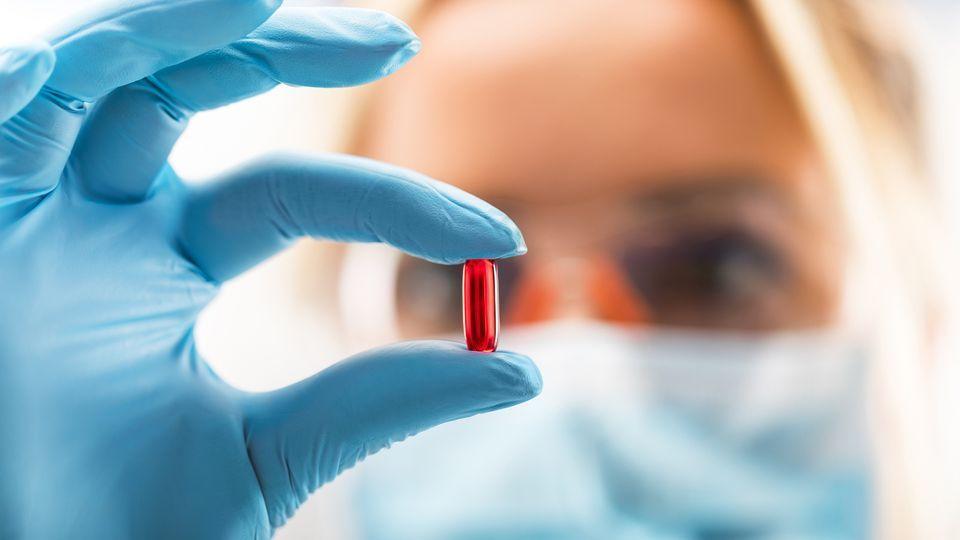
How Do SSRIs Work?
Before we can start talking about how these foods interact with SSRIs, we have to make sure that you understand how those medications actually work, and thus figure out why diet matters with them in the first place. To put things simply, Selective Serotonin Reuptake Inhibitors work by actually increasing the availability of serotonin in your brain, which is an important neurotransmitter that helps regulate your mood, your sleep, your appetite, as well as your emotions and your stress responses. Some common ones are Paroxetine, Escitalopram, Citalopram and similar.
Here is some more information on them: https://www.fda.gov/drugs/information-drug-class/selective-serotonin-reuptake-inhibitors-ssris-information
The idea behind them is not to create happy hormones, as you may assume. Instead, they support your brain’s ability to process emotional signals more effectively. Of course, the production and the regulation of serotonin are processes which are also influenced by some broader systems in the body, including your gut, your immune system, as well as nutrient availability, and that is where your diet comes in as being highly important for the effects you can get from SSRIs.
How UPFs Interact With SSRIs?
Okay, so how do UPFs actually interact with SSRIs? Well, for one thing, we have to mention the fact that a large portion of serotonin is actually produced in your gut, which means that the health of your gut microbiome plays a crucial role in your mental health. Ultra processed foods can disrupt the balance of the microbiome by reducing beneficial gut bacteria, as well as increasing harmful ones, while also promoting inflammation in the digestive system. And when this kind of imbalance happens, it can potentially reduce the effectiveness of SSRIs, which is definitely not what you want.
Moving on, UPFs are often quite high in simple carbs and refined sugars, and those can cause rapid spikes and crashes in your blood sugar levels. This can, in turn, increase irritability and anxiety, worsen your fatigue, as well as mimic or amplify depressive symptoms. Therefore, with your mood constantly fluctuating, it can be difficult to tell if the SSRIs are actually working effectively. Here is more on ultra processed foods.
Apart from all of that, we cannot fail to mention that chronic inflammation has actually been linked to some mental health conditions, including depression. And, of course, your diet plays a key role in regulating the inflammation levels in your body, with UPFs having the tendency of promoting the inflammation thanks to high level of refined oils and trans fat, as well as excess sugar and the additives and preservatives.
Finally, SSRIs tend to rely on your body’s existing systems working efficiently. If those systems are, thus, lacking some key nutrients, there is a possibility for the medication to not perform optimally. Of course, ultra processed foods are low in some important nutrients, such as magnesium, zinc, B vitamins, as well as Omega-3 fatty acids, all of which are important for brain function and for neurotransmitter production. So, what you can do is limit the intake of UPFs and increase the intake of these important nutrients in order to support your body’s ability to fully respond to the SSRI treatment.