
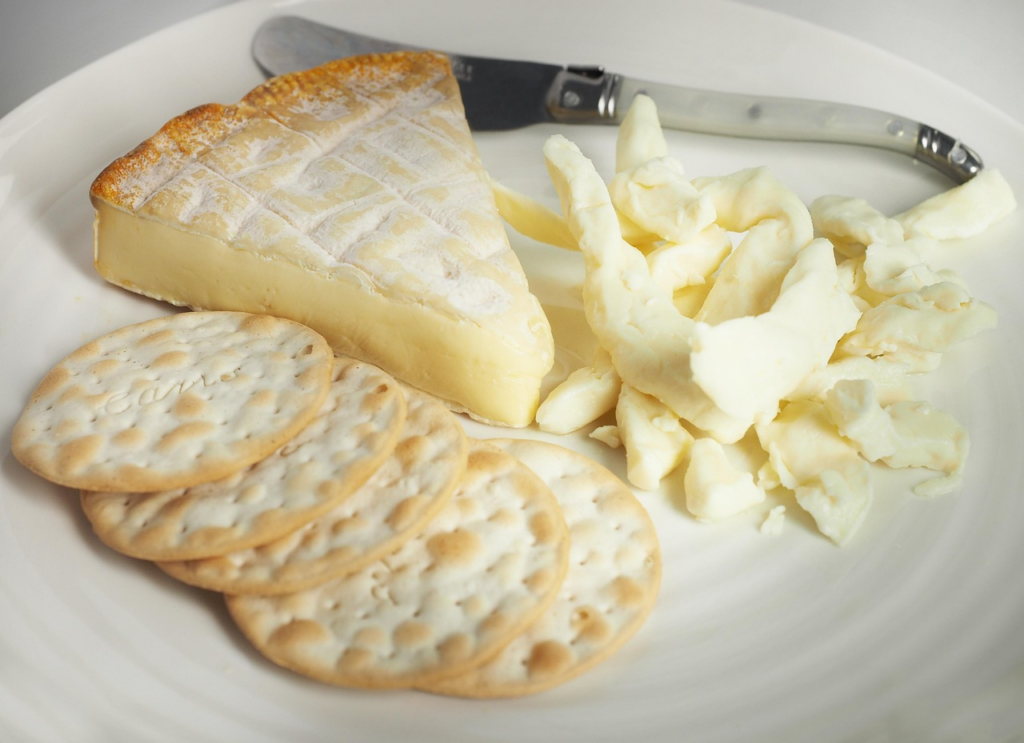
Dreaming of always having a full supply of fresh cheese curds? Even in the winter months?
Most people think fresh cheese curds are a seasonal product. You buy a bag at the farmers market in July and don’t think about them until July next year.
That’s a mistake.
Achieving a year-round supply of high-quality cheese curds is 100% possible with a proper sourcing strategy. Whether ordering fresh squeaky cheese curds direct from a reputable farmstead dairy or connecting with local producers — knowing where and when to look, what to buy, and how to maintain peak freshness is essential.
What’s Covered Here:
- Why Your Cheese Curds Collection Is Worth the Investment
- What Fresh Curds Actually Look and Taste Like
- Top 5x Ways to Source Cheese Curds All Year
- How to Evaluate Freshness Before You Buy
- Storage Tips to Protect That Squeak
Why Your Cheese Curds Collection Is Worth the Investment
The specialty cheese market isn’t slowing down.
Sales of specialty cheese in the US will reach $9.2 billion by 2030, up from $6.6 billion in 2024 — and fresh cheese like curds are driving much of that growth. According to analysts, consumers want provenance, quality and authenticity. Curds check all of those boxes.
But here’s what makes managing a cheese curds collection so critical…
Curds are young cheese, directly produced from the process of making cheddar, cut from the vat before being pressed into wheels. This means they are one of the most perishable dairy products you can buy. That squeak that cheese curds are known for? It’s created by unbroken protein strands within the curd — and will disappear after 24 to 48 hours.
The fresher the curd, the louder the squeak.
Beyond that point, the texture loosens and the subtle milky taste starts to fade away. This is precisely why procurement strategy is so important.
What Fresh Curds Actually Look and Taste Like
Before assembling a cheese curds inventory, it’s best to understand what quality curds should look, smell and taste like.
A great fresh curd will have:
- Uniform shape and size: Curds are fresh off the vat and have no unnatural shape. Same size curds means processed older product.
- A mild, clean dairy aroma: No sharpness. No sourness. Just fresh milk.
- That squeak: The squeak is the ultimate test for freshness. Bite down on one. It should bounce back against your teeth.
- Firm and slightly springy: Not chewy. Not crumbly. Just right.
Does a curd meet all four of those criteria? Buy it — and buy again from the producer who makes it.
Top 5x Ways to Source Cheese Curds All Year
That’s right where most buyers make their mistake. They source from one place — typically a seasonal farmers market — then scramble when winter rolls around and the stand shuts down.
Here’s the smarter approach.
Sourcing cheese curds from a variety of places will allow you to have a steady supply year-round.
1. Local Farmstead Dairies
This is the standard to shoot for. Purchasing directly from a dairy that processes their own cheese ensures the freshest product available. Lots of small farmstead dairies make curds 2x – 3x week. Give them a call, inquire about their production schedule, and plan pickups around that. You will know precisely how old your curds are when they arrive.
2. Online Direct-to-Consumer Dairy Shops
Proximity is nice, but there’s no need to limit yourself to local sources. Buying directly from reputable farmstead creameries online allows complete control over provenance and freshness — far better than what’s found at most supermarkets. Seek out vendors who ship product the same day or day-after production. That matter of hours can mean the difference between a squeaky curd and a limp one.
3. Specialty Cheese Shops
Specialty retailers are really cooking right now. Deli specialty cheese sales rose 8% by volume and dollars last year, so more stores are carrying high-end fresh varieties — curds included. Find a local fromagerie and inquire about when their curd deliveries come in. Most proprietors will be glad to hold a pound or two for a loyal customer.
4. Farmers Markets (With a Strategy)
Farmers markets are wonderful resources — if approached correctly. Get there early, as curds will sell out quickly. Even better, contact dairy vendors ahead of market day to place an order. Many will reserve product for a dedicated weekly customer — transforming the visit from occasional browser to steady supplier.
5. Dairy CSA Programs
Increasing farms are providing community supported agriculture subscriptions that feature fresh cheese. Purchasing a dairy CSA is one of the easiest methods of securing year-round availability to a cheese curds stash without having to pursue separate transactions weekly.
Pretty simple, right?
How to Evaluate Freshness Before You Buy
When buying from a supplier for the first time, don’t believe everything they say.
Ask these 3x key questions:
- How long ago were these curds formed? Anything more than 2 days old is going to squeak no more.
- How are they stored? Proper temperature below 40°F is non-negotiable for preserving texture.
- Are they made locally? Locally can mean farm to table is shorter and the final product is fresher.
If the supplier can say yes to all three of these questions with conviction, keep buying from them. If they hesitate on number one, then don’t.
Storage Tips to Protect That Squeak
Fresh curds will go flat pretty fast if improperly stored. Here’s how to store them properly:
- Refrigerate immediately in a sealed container or bag. Room temperature ages them fast.
- Eat within 24 hours for maximum squeak and full flavour.
- Freeze for longer term storage. Frozen curds don’t squeak as much but are fantastic for poutine, soups, and fried curd recipes. Thaw in the fridge overnight prior to using.
One tip most people overlook…
Always bring curds to room temperature before eating. Cold curds are tougher and mute in flavour. Letting them sit on the counter for 15 to 20 minutes can really enhance the experience.
That’s the Full Picture
Maintaining a year-round stash of cheese curds is totally possible — just need to be prepared. Let’s do a quick refresher:
- Familiarize yourself with the appearance, aroma and taste of truly fresh curd prior to agreeing to do business with a supplier.
- Diversify across local dairies, online shops, specialty retailers, and CSA programs
- Ask the right freshness questions when trying somewhere new
- Store and serve curds correctly to protect that signature squeak
Consumers are driving demand in the specialty cheese sector by seeking out quality, provenance and authentic flavour. Managed properly, a cheese curds collection can offer all of those…month after month.