
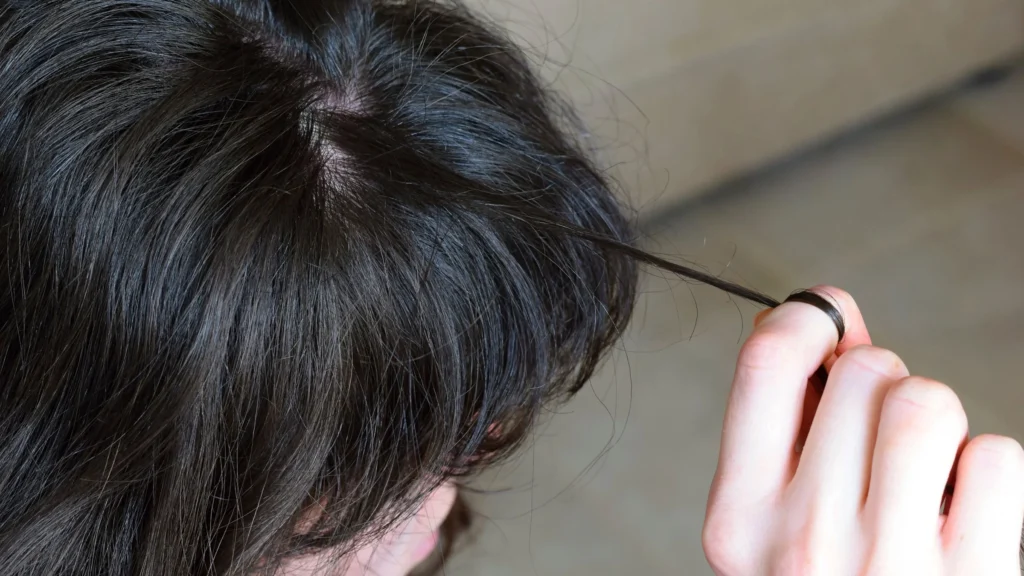
Hair loss tends to be one of those things people manage in stages. First comes the denial, then the hats and the carefully arranged haircuts, then the long stretch of quietly researching options at odd hours. By the time most people get serious about doing something, they have already spent months absorbing conflicting information from forums, YouTube videos, and clinic websites that all have a financial stake in what they are recommending.
The result is a lot of confusion about what the procedure actually involves, what it costs in different parts of the world, and what separates a good outcome from a bad one. This article tries to cut through that noise and give a clearer picture of what you are actually signing up for if you decide to move forward.
The Price Gap Between the US and Abroad Is Real, and It Matters
In the United States, a hair transplant typically runs somewhere between $10,000 and $25,000 depending on the surgeon, the location, and how many grafts your case requires. That price puts the procedure out of reach for a large portion of the people who want it.
Turkey has spent the last decade building itself into one of the world’s primary destinations for hair restoration, and the pricing reflects a completely different economic reality. The same procedure, performed at a reputable clinic in Istanbul, generally costs between $2,500 and $4,500, often with hotel accommodation and airport transfers included in the package. The gap is not a sign of inferior quality at the lower price point. It reflects lower labor and overhead costs in a market that has developed genuine expertise through high procedure volume.
For patients trying to figure out how to navigate this, services like Doctours have built a model around exactly this situation. They work with vetted clinics in Turkey and other destinations, handle the logistics of the trip, and offer financing options that allow patients to spread the cost over time rather than paying everything upfront. For a lot of people, that last piece is what makes the whole thing finally feel possible.
What the Procedure Actually Involves
According to the American Academy of Dermatology, modern hair transplant surgery works by relocating healthy follicles from a donor area, typically the back and sides of the scalp, to areas where hair has thinned or stopped growing. The procedure is done under local anesthesia, meaning patients remain awake but the scalp is numbed. Most procedures take between four and eight hours depending on the number of grafts being moved.
There are two main harvesting methods. Follicular unit extraction, or FUE, involves removing individual follicular units one at a time and leaves small circular scars that are largely undetectable. Follicular unit transplantation, or FUT, involves removing a strip of scalp from the donor area and dissecting it into individual follicular units. FUT allows for more grafts in a single session but leaves a linear scar along the donor strip. Most clinics in Turkey use FUE as their primary method.
The NIH’s StatPearls database on hair transplantation notes that ideal candidates have stable, well-defined patterns of hair loss, a healthy donor area with adequate density, and realistic expectations about what a single session can achieve. Patients with diffuse or unpatterned hair loss, or those whose hair loss is still actively progressing rapidly, may not be strong surgical candidates. Getting an honest assessment of your candidacy before committing to anything is one of the more important steps in the process.
The Part Most People Are Not Prepared For
The first month after a hair transplant catches a lot of patients off guard. Most of the transplanted hair falls out within the first two to four weeks. This is completely normal and expected. The follicles themselves remain intact under the skin and begin producing new hair over the following months. Visible growth typically starts around months three and four, meaningful density becomes apparent between months six and ten, and the final result continues to develop for up to eighteen months after the procedure.
Patients who know this going in handle it fine. Patients who did not understand this can panic when their scalp looks worse at week three than it did before the procedure. Every reputable clinic and facilitator will explain the shedding phase beforehand, but it is worth internalizing clearly so the timeline does not come as a surprise.
What Good Clinic Selection Actually Looks Like

The clinic you choose matters more than almost any other variable in this process. Hair transplant outcomes depend heavily on surgeon skill, proper technique during follicular extraction, and the care taken in designing a natural hairline. The difference between a result that looks seamless and one that looks like a procedure was done is almost always traceable back to these factors.
When evaluating clinics, ask directly who performs each step of the procedure. In Turkey, physicians are legally required to make the incisions, but some clinics use unlicensed technicians for the bulk of the extraction and implantation work while a doctor’s name remains on the paperwork. Ask to see before-and-after photos from patients with a hair loss pattern similar to yours, not just the best-case results from patients with minor thinning. Ask what the clinic’s policy is on touch-up procedures if the growth is patchy or the density falls short of what was planned.
Payment is another area worth examining carefully. Any clinic asking you to wire money to a foreign account or asking you to carry cash abroad should give you pause. Reputable clinics and facilitators have proper payment infrastructure. One of the practical advantages of going through a coordinating service is that payment typically runs through the facilitator in US dollars, which removes currency conversion risk and gives you a point of accountability if something does not go as planned.
Managing Expectations on Results
Hair transplant surgery is a permanent solution for the areas that are treated, but it does not stop the ongoing process of hair loss in untreated areas. A patient who has a transplant at 32 may find that the surrounding areas continue to thin over the following years, which can create an uneven appearance if no additional treatment or planning is involved. Most experienced surgeons and facilitators will discuss this during the consultation and help patients think about their hair loss pattern over time, not just the situation today.
For the treated areas, results at reputable clinics are generally strong. The transplanted follicles are taken from areas of the scalp that are resistant to the hormones that cause pattern hair loss, which means they continue to grow naturally after being moved. The results are your own hair, growing from your own scalp, and they do not require any ongoing maintenance beyond normal hair care.
The patients who tend to have the best experiences are those who took the time to understand what the procedure can and cannot do, chose a clinic or facilitator based on careful research rather than price alone, and went in with a realistic picture of the timeline. The patients who tend to be disappointed are those who expected a full transformation within a couple of months and did not fully understand that the shedding phase was coming.
If you are at the point of seriously considering this, the most useful first step is getting an honest assessment of your candidacy from someone who is not trying to sell you a procedure. From there, the rest of the decisions tend to get clearer.