

Managing both work and personal life can feel overwhelming, especially as expectations grow and boundaries become less defined in a digital-first world. Many professionals are now exploring solutions like a virtual medical receptionist to better manage calls, appointments, and administrative demands without sacrificing their personal time, highlighting how external support can reduce daily pressure. Finding practical and sustainable ways to stay balanced is no longer optional but essential for maintaining long-term productivity and well-being.
Understanding Where Stress Comes From
Stress often builds when responsibilities overlap and there is no clear separation between professional and personal roles. Constant notifications, unfinished tasks, and the pressure to always be available can create a cycle of mental fatigue that is difficult to break.
In many cases, stress is not caused by the amount of work itself but by the lack of structure in managing it. When priorities are unclear and time is not allocated effectively, even simple tasks can begin to feel overwhelming and unmanageable.
Creating Clear Boundaries Between Work and Life
One of the most effective ways to reduce stress is by establishing clear boundaries between work and personal time. This can include setting defined working hours, limiting after-hours communication, and creating a dedicated workspace that separates professional tasks from home life.
When boundaries are respected, both mentally and physically, it becomes easier to switch off from work and focus on personal well-being. This separation helps prevent burnout and allows individuals to recharge properly, leading to better performance during working hours.
Leveraging Support to Reduce Daily Pressure
Trying to handle every responsibility alone can quickly lead to exhaustion and decreased efficiency. Delegating tasks, whether through team members or external support services, can significantly reduce the daily burden and free up valuable time.
Support systems such as remote administrative assistance can handle routine tasks like scheduling, call management, and client communication. This allows professionals to focus on high-value work while maintaining a healthier balance between their responsibilities.
Prioritizing Tasks With Intention
Not all tasks carry the same level of importance, yet many people treat them equally, leading to unnecessary stress. Learning to prioritize effectively ensures that the most critical responsibilities are addressed first while less urgent tasks are scheduled appropriately.
Intentional prioritization also helps reduce the feeling of being constantly behind. When there is a clear plan in place, individuals can approach their workload with confidence and avoid the mental clutter that comes from disorganization. For some individuals, however, this mental clutter runs deeper than poor planning, it may be a sign of ADHD paralysis, where the brain genuinely struggles to initiate or switch between tasks, making even simple decisions feel exhausting.
Building Sustainable Daily Habits
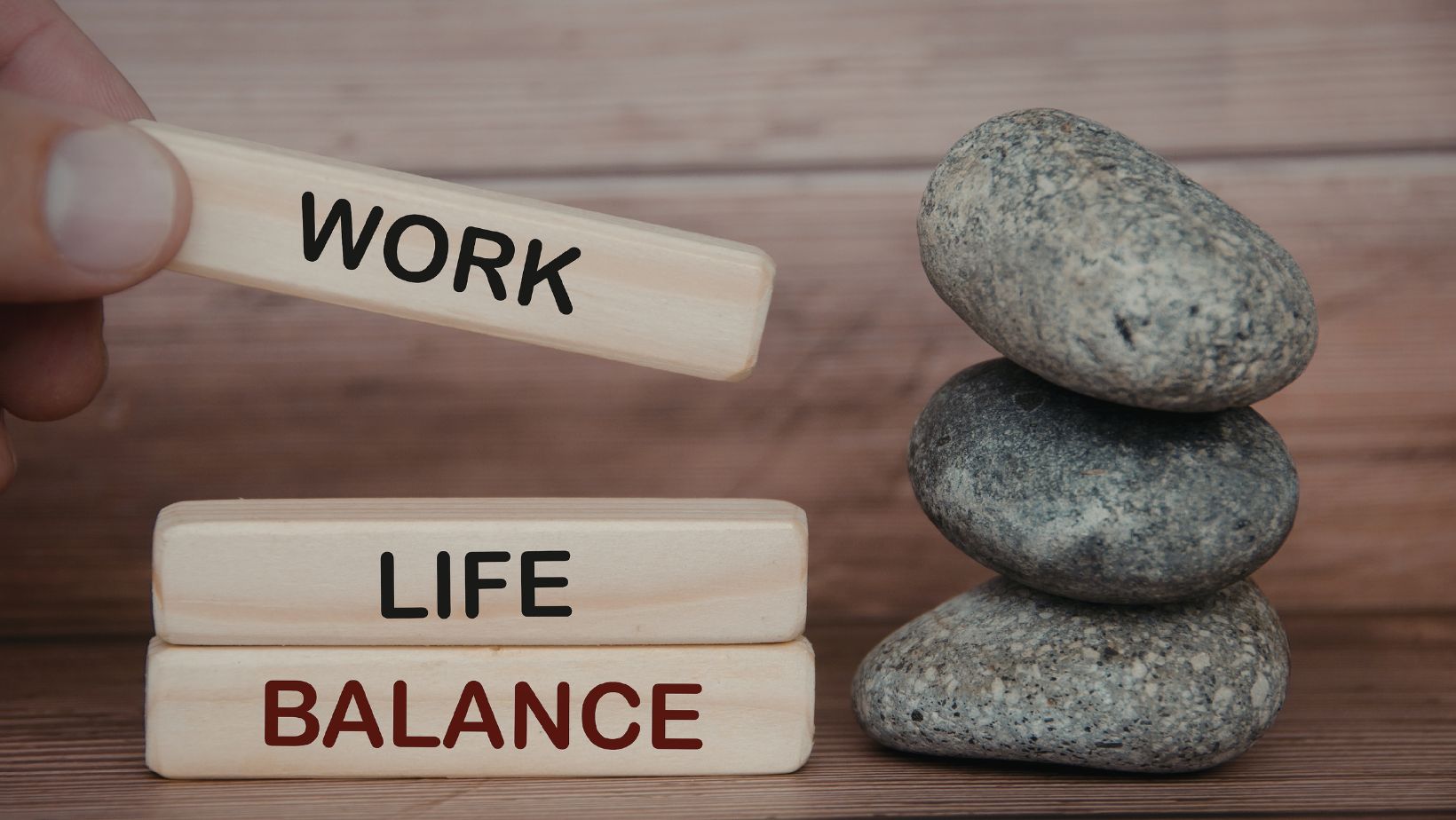
Long-term stress reduction depends on consistent habits rather than occasional changes. Simple practices such as planning the day ahead, taking regular breaks, and maintaining realistic expectations can have a significant impact over time.
Healthy routines create a sense of stability and control, which is essential for managing both work and personal responsibilities. When these habits become part of daily life, stress becomes easier to manage and less likely to escalate.
Embracing Flexibility Without Losing Control
While structure is important, flexibility is equally necessary in a constantly changing environment. Unexpected tasks and personal commitments will arise, and the ability to adapt without becoming overwhelmed is a valuable skill.
Maintaining flexibility does not mean abandoning structure but rather adjusting it when needed. This balance allows individuals to stay productive while still responding effectively to the demands of both work and personal life.
In conclusion, reducing stress while managing work and personal life requires a combination of structure, support, and intentional habits. By setting clear boundaries, prioritizing effectively, and making use of available resources, individuals can create a more balanced and sustainable routine. Over time, these strategies not only improve productivity but also enhance overall well-being, making it possible to thrive in both professional and personal spaces.