
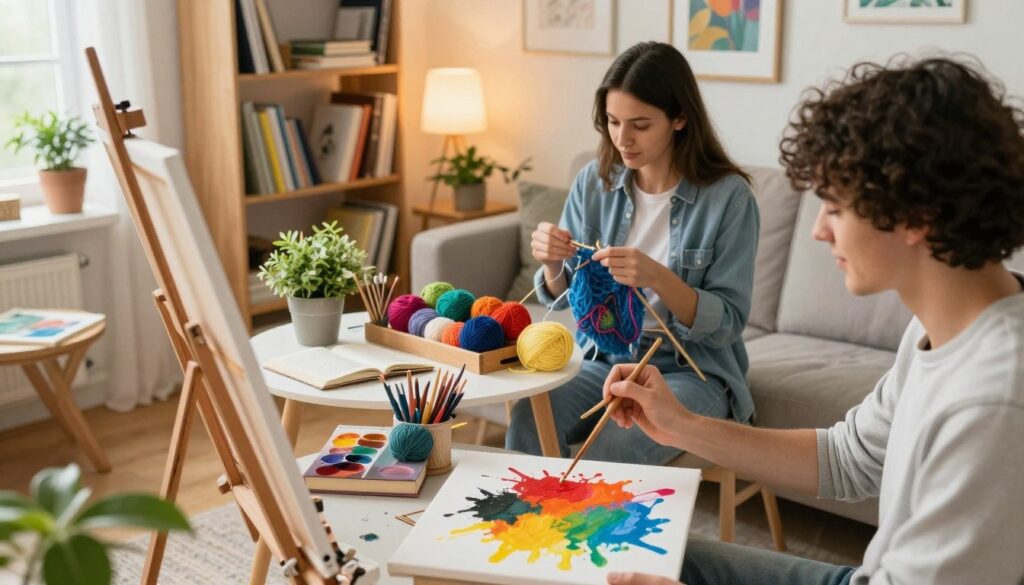
Welcome! You’ve found your guide to activities that can bring more calm into your daily life. Let’s face it, feeling overwhelmed is a common part of our modern world. But finding balance doesn’t have to be a huge challenge.
This article explores a range of pastimes that offer genuine relief from daily stress. From creative outlets to gentle movement, each option provides a meaningful way to support your self-care routine. These activities go beyond simple weekend distractions.
You’ll discover practical ideas and guidance to help you choose options that align with your lifestyle and energy level. Many of them encourage focus, presence, and mental clarity, allowing your body and mind to slow down naturally.
Get ready to explore enjoyable and realistic ways to manage pressure. These approaches are designed to help you build a calmer mindset and a more balanced everyday life.
Introduction: Embracing Hobbies for Stress Relief
As daily responsibilities continue to grow, finding effective ways to manage daily pressures is more important than ever. These activities are not just for fun. They are vital tools for maintaining your mental and physical health.
Why Hobbies Are Essential for Your Mental Health
Leading health experts confirm the serious impact of ongoing stress. The American Psychological Association notes that chronic stress can harm both your body and mind.
This makes finding a healthy outlet crucial. The Centers for Disease Control and Prevention highlights that enjoyable pastimes help control stress. They can even lower the risk of related health issues like heart disease.
Beyond stress relief, hobbies give your mind a chance to step away from constant problem-solving and decision-making. When you focus on an activity you enjoy, your attention shifts from pressure to presence. This mental break helps restore emotional balance and reduces feelings of overwhelm.
Regular leisure activities also create structure in your personal time. Having something to look forward to during the week can improve motivation and overall mood. Over time, this consistency supports stronger emotional resilience and a healthier relationship with daily responsibilities.
Hobbies can also strengthen self-confidence. Learning new skills or improving existing ones provides a sense of progress and accomplishment. Even small achievements reinforce positive thinking and help build a more stable mindset.
How Small Daily Practices Make a Big Difference
Stress does not only happen on weekdays. It is essential to build relaxation into your routine every day. You do not need hours of free time.
Spending just a few minutes on an activity you love can make a significant impact. This turns self-care into a natural part of your life, not just a weekend treat. Small, consistent efforts are a powerful way to improve your quality of life.
Simple creative moments can be especially effective because they help your mind slow down and refocus. Activities that involve gentle repetition often create a calming rhythm, allowing you to step away from constant notifications and mental clutter. Even short creative breaks can help restore energy and improve your overall mood.
For example, many people find comfort in hands-on crafts that feel soothing rather than demanding. Working with punch needle kits is one option that allows you to create something meaningful without pressure or perfection. The steady motion and tactile experience make it easy to unwind, even if you only have ten or fifteen minutes available.
When these small practices become part of your daily routine, relaxation starts to feel effortless. Over time, these moments of calm add up, helping you feel more balanced, grounded, and present in everyday life.
Discover Stress-Relieving Hobbies to Reduce Stress
What if the key to managing pressure wasn’t about eliminating it, but changing your relationship with it? Engaging in activities you love doesn’t remove life’s challenges. Instead, it transforms how your mind and body respond to them.
Understanding the Benefits of Creative Outlets
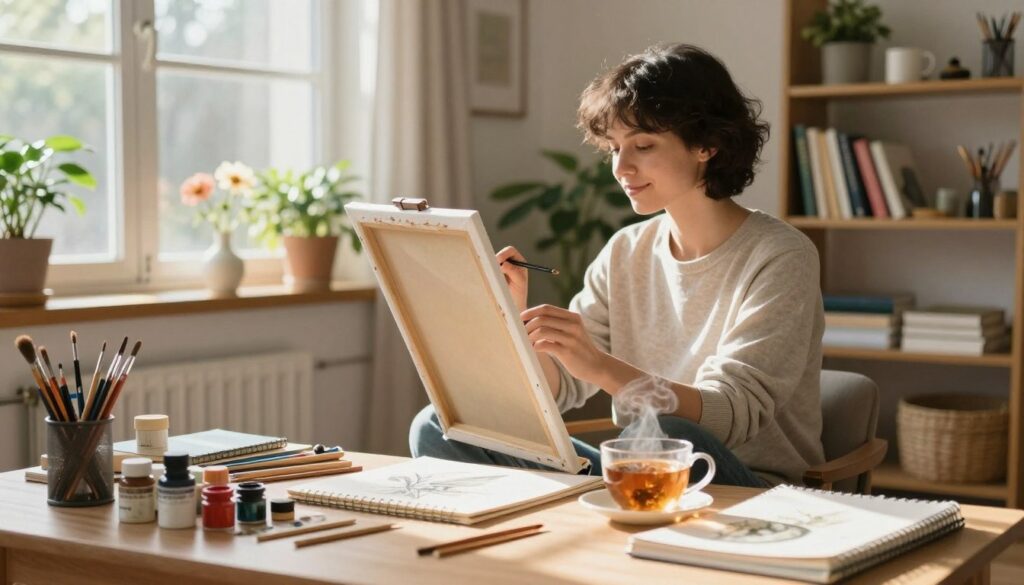
Creative pastimes provide measurable benefits for managing anxiety. They engage different parts of your brain, offering a mental break from daily worries.
This mental shift helps lower your stress levels naturally. Many people find that these activities help them gain perspective on problems that seemed overwhelming before.
Shifting from Distress to Eustress
There’s a big difference between distress (negative stress) and eustress (positive stress). The right activities can facilitate this important shift in your stress response.
Eustress actually motivates you and fosters creativity. It improves your well-being rather than depleting your energy.
Creative Hobbies for a Calmer Mind
Creative expression offers a unique pathway to inner peace that many people overlook in their daily routines. These activities engage your brain in ways that naturally reduce stress and promote mental clarity.
Exploring Art, Music, and Writing
Music serves as a powerful tool to soothe your mind and alleviate anxiety. Playing an instrument can actually turn off your stress response. You don’t need professional skills to benefit.
Research shows that informal jam sessions work better than formal practice for preventing chronic stress. This creative outlet lets you express emotions you might struggle to verbalize.
How Visual and Performing Arts Help Relieve Tension
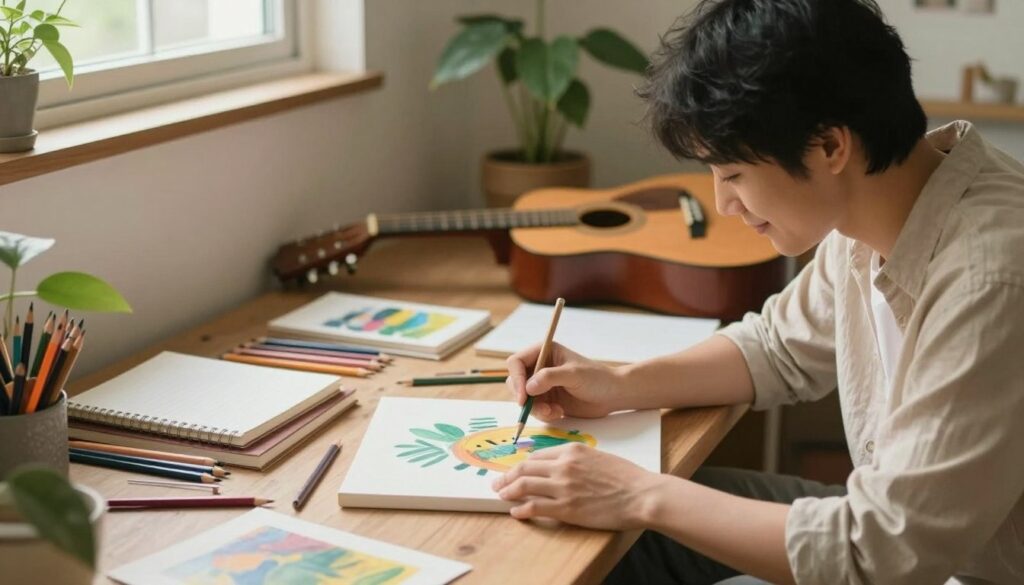
Artistic expression allows you to channel stress into creativity. Activities like drawing or coloring engage different parts of your brain. They provide a mental break from daily worries.
Many people find that coloring significantly reduces anxiety. Adult coloring books with intricate designs are often recommended in art therapy. They boost mindfulness while relieving tension.
Using Journaling to Process Daily Thoughts
Writing is deeply therapeutic for processing worries and emotions. Journaling helps you get to the root of problems and gain perspective. It builds a more positive mindset over time.
You can start with a guided journal featuring writing prompts. Or simply use any notebook to record your thoughts. This practice stops negative thoughts from circling in your mind.
Outdoor and Nature-Inspired Activities
Step outside your door and discover nature’s powerful stress-reducing effects. Spending time outdoors provides a natural reset for your mind and body. The simple act of breathing fresh air can lower your cortisol levels.
Gardening and Connecting with Nature
Gardening offers multiple benefits for managing daily stress. This activity gets you into the sunshine while connecting you with the natural world. Even a small container garden on your patio makes a difference.
Start with low-maintenance plants to keep gardening enjoyable. Remember this should feel like a break, not another chore. The American Heart Association suggests that spending time outdoors is a great way to relax in nature and reduce stress.
Exercise and the Benefits of Fresh Air
Outdoor exercise provides dual benefits for your well-being. Activities like walking or running release endorphins that improve your mood. The combination of movement and fresh air works wonders for stress.
Begin with a brisk walk and gradually increase your pace. Being active outdoors benefits both your heart health and stress levels. This is a great way to make physical activity part of your day.
Mindful Practices and Artistic Techniques
Sometimes the most effective tools for calming your mind are the simplest ones. These artistic techniques require minimal investment but offer maximum benefits for your mental well-being.
Coloring, Knitting, and Drawing as Stress-Relief Tools
Coloring helps calm the mind by encouraging focus without pressure. Repetitive patterns and simple color choices allow your thoughts to slow, making it easier to release tension and reset after a long day.
Knitting and drawing offer similar benefits through steady movement and creative expression. The rhythmic motion of knitting promotes relaxation, while drawing provides an outlet for emotions that may be difficult to put into words. Both activities support mental clarity and ease restlessness.
These creative practices naturally encourage mindfulness. By keeping your attention on the present moment, they reduce mental overload and help restore a sense of balance and calm.
Journaling and Creative Writing for Emotional Clarity
Writing provides a quiet space to process thoughts and emotions without interruption. Putting feelings onto paper can reduce mental clutter and help organize overwhelming ideas.
Journaling encourages reflection and self-awareness, making it easier to recognize patterns in mood or stress. Creative writing adds another layer by allowing imagination to take the lead, offering relief through storytelling rather than analysis.
Both practices support emotional release and mental balance. Whether through short notes or longer reflections, writing creates a calming pause that helps restore focus and inner clarity.
How to Choose the Perfect Hobby to Reduce Stress
Finding the right activity for your needs makes all the difference in stress management. The ideal pursuit should feel enjoyable rather than like another task on your list. Alongside structured habits for mental health, hobbies can offer an additional layer of emotional support and relaxation.
Consider what brings you genuine joy when selecting your new pastime. Your choice should fit naturally into your daily life without adding pressure, allowing both your routines and personal interests to work together in creating balance.
Solo vs. Group Activities: Finding What Suits You
Think about whether you prefer working alone or with others. If you’re self-motivated, individual pursuits like painting or writing might work well.
For those who thrive socially, group classes or clubs provide connection. Your personality plays a big role in what activity will sustain your interest over time.
Aligning Your Hobby Choice with Your Daily Routine
Match your new pursuit to your existing schedule and work demands. If your job involves intense mental work, choose something completely different.
Office workers might enjoy home-based activities for convenience. Remote workers often benefit from outdoor options for fresh air.
Select something accessible that doesn’t require complex setup. The easier it is to start, the more likely you’ll continue your new practice regularly.
Conclusion
Finding moments of calm does not require major lifestyle changes. What matters most is allowing yourself time to slow down and reconnect with activities that restore your energy. Even small breaks can help reduce tension and make daily challenges feel easier to manage.
The right hobby can gently change how you respond to pressure. Instead of constant stress, you create space for clarity, balance, and emotional strength. Over time, these moments support a more grounded and steady mindset.
Focus on consistency rather than perfection as you move forward. Choose activities that feel natural and enjoyable, and let them become part of your routine. With time, these simple practices can bring lasting calm and support your overall well-being.