
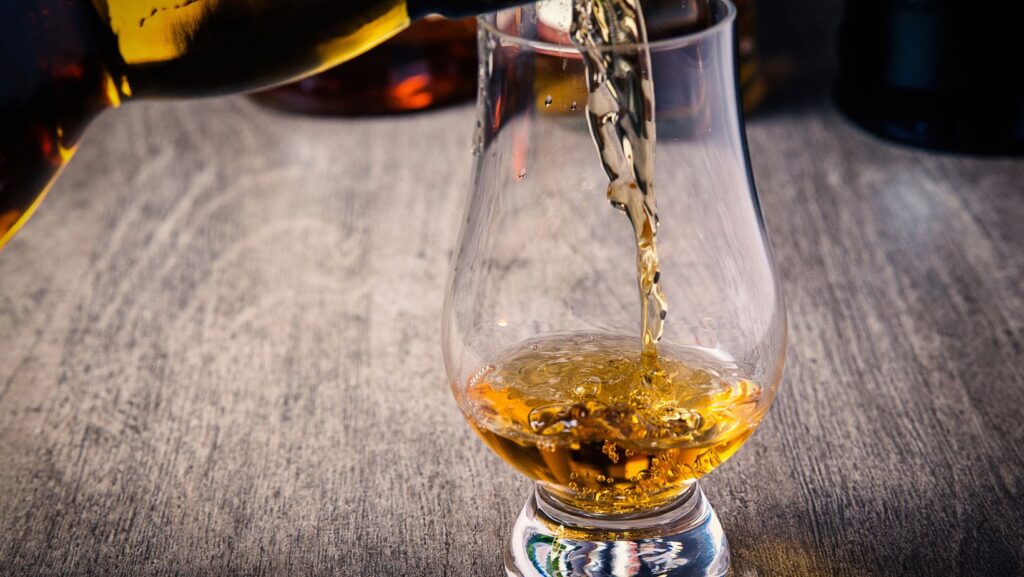
Single malt whisky offers a broad spectrum of character, shaped by choices made long before the bottle reaches a shelf. From distillation style to years spent in wood, each decision leaves a trace. Drinkers curious about variety often compare youthful expressions with mature releases, including a 24 year old single malt, to understand how time and style interact. Seeing these elements together helps explain why whiskies can taste dramatically different even when they share an origin.
What Defines Single Malt Style
Style begins at the distillery. Water source, malt treatment, fermentation length, and still shape all influence flavour before ageing begins. Some producers aim for light, fruity profiles, while others lean toward weight and richness. Cut points during distillation also matter. A narrow cut can produce a cleaner spirit, whereas a wider cut brings heavier compounds. These early choices establish a framework that ageing will later refine rather than replace.
The Role Of Regional Influence
Geography often guides style, though not as rigidly as in the past. Coastal locations may produce spirit with maritime notes, while inland sites usually emphasise orchard fruit or cereal sweetness. Climate affects maturation pace as well. Cooler environments encourage slow development, preserving subtlety. Warmer conditions push faster interaction between spirit and cask. Regional influence, therefore, shapes both initial character and how age expresses itself.
Understanding Age Statements

Age statements indicate the youngest whisky in the bottle, not the average age. This number signals how long the spirit has interacted with wood. Younger whiskies often showcase distillery character clearly. Fresh fruit, cereal notes, and brightness dominate. With time, wood influence grows, adding depth and structure. Age provides context, not quality, by default.
How Cask Type Guides Development
Cask selection plays a central role in how age manifests. American oak barrels tend to add sweetness and vanilla. European oak often imparts spice and dried-fruit notes. A younger whisky in an active cask may taste more mature than an older one in a gentle vessel. Understanding cask influence helps explain why age alone cannot predict flavour intensity or balance.
Youthful Expressions And Energy
Younger single malts offer vibrancy. Their flavours feel direct and lively, often highlighting fruit and floral notes. These whiskies appeal to drinkers who enjoy clarity and freshness. When well made, youthful releases feel confident rather than raw. They provide insight into distillery style without heavy wood masking the spirit.
Mature Releases And Complexity
Longer ageing introduces layers. Over time, oxidation and wood extraction soften edges and deepen texture. Older whiskies often show integration rather than contrast. Flavours merge into a cohesive whole, with subtler transitions on the palate. This complexity attracts those who prefer slow exploration over immediate impact.
Balance As The True Measure
Balance matters more than age. A whisky can be old yet tired, or young yet harmonious.
Successful maturation respects the original spirit. Wood influence should support rather than dominate. When balance is achieved, age enhances character without erasing identity.
Comparing Types Across Ages
Comparing the same style at different ages reveals how maturation reshapes flavour. A light, floral spirit may develop honeyed depth with time. A robust style might gain polish and restraint.
These comparisons highlight continuity. The core character remains present, even as complexity grows. This consistency helps drinkers identify preferences beyond age.
Patience And Production Decisions
Age reflects patience and planning. More extended maturation ties up resources and requires careful monitoring. Producers must decide when whisky reaches its peak. Leaving the spirit too long risks excessive wood influence. Releasing it too early may limit depth. Judgement rather than time alone defines success.
Why Older Is Not Always Better
Older releases carry appeal, yet they are not automatically superior. Taste preference varies widely. Some drinkers prefer the brightness of younger malts. Others seek the rounded nature of extended ageing. Recognising this diversity prevents age from becoming the sole measure of quality.
Learning Through Tasting Progression
Exploring single malt varieties is best done in stages. Sampling different styles at various ages builds understanding. This approach reveals patterns. Certain distilleries shine at younger ages, while others reward patience. Over time, drinkers develop intuition rather than relying on labels.
The Influence Of Bottling Strength
Strength affects how age and style are presented. Higher bottling strength preserves intensity, while lower strength can soften edges. Water dilution during tasting further changes perception. A mature whisky may open slowly, revealing complexity gradually. Younger expressions often deliver impact more quickly.
Personal Preference And Context
Enjoyment depends on context. Occasion, mood, and setting influence perception. A youthful malt may suit casual moments. An older release often invites contemplation. Neither approach is superior, only different. Recognising context enhances appreciation.
Seeing The Bigger Picture
Single malt variety emerges from the relationship between type and age. Neither element stands alone. Style defines the starting point. Age shapes the journey. Together, they create the spectrum that makes whisky exploration rewarding.
Understanding Character Over Numbers
Age statements provide guidance, not conclusions. The true character of a single malt comes from harmony between spirit, cask, and time. Exploring varieties through this lens reveals why whiskies differ so widely. Whether tasting a vibrant young release or a 24 year old single malt, understanding how type and age work together deepens enjoyment and sharpens appreciation.