
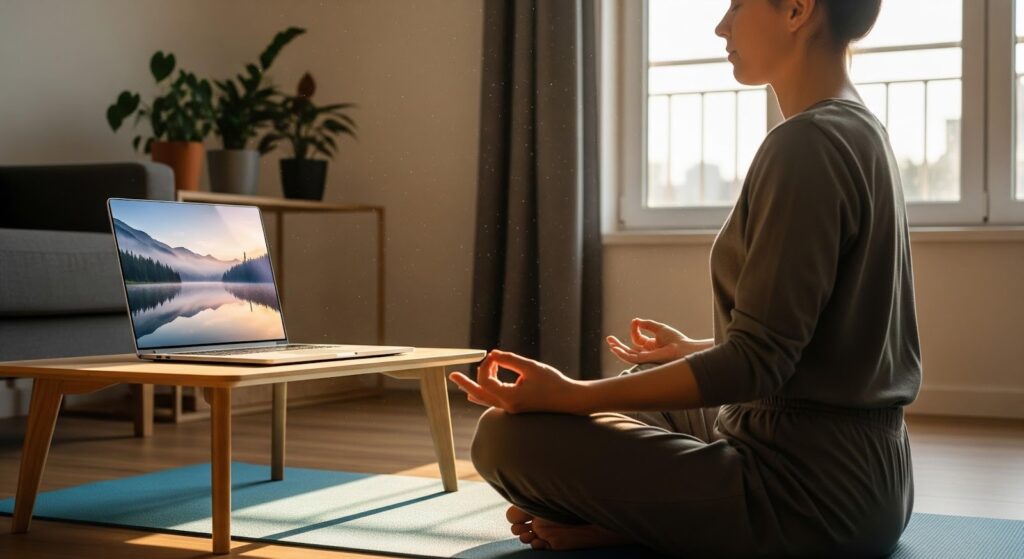
It feels like our phones know us better than we know ourselves sometimes. They suggest what to watch, where to eat, and even who to date. But what if that same technology could also tune into our mental well-being? It’s happening right now. The tools we use every day are getting smarter, and many are now designed to support our mental health journey in surprisingly helpful ways.
This isn’t about replacing human connection or therapy, but about adding useful tools to your wellness toolkit. From apps that guide you through a moment of panic to wearables that track your stress levels, technology offers new ways to understand and manage your mental health. Let’s explore how these digital aids can support you and what you can do to make them work for your well-being.
Decoding Digital Wellness: How Tech Can Help
Technology is becoming a powerful ally in the pursuit of mental wellness. It provides accessible, personalized support that can fit into your daily routine. Think of it as having a wellness coach in your pocket, ready to help you build healthier habits and navigate challenges.
Mindfulness and Meditation Apps
One of the most popular ways tech supports mental health is through mindfulness and meditation apps. These apps make it easy to practice techniques that were once only taught in quiet studios. Now, you can find a moment of peace whether you’re on your morning commute or taking a lunch break.
Apps like Calm and Headspace offer guided meditations for everything from reducing anxiety to improving sleep. They provide short, manageable sessions that help you build a consistent practice. By focusing on your breath and being present, you can train your brain to react less to stress and find more clarity in your day. Many of these apps also include soundscapes, breathing exercises, and sleep stories to create a complete wellness experience.
Wearable Technology and Stress Tracking
Your smartwatch can do more than just count your steps. Many modern wearables are equipped with sensors that monitor physiological signs of stress, like heart rate variability (HRV) and skin temperature. Devices from brands like Apple, Fitbit, and Garmin can alert you when your stress levels are rising, giving you a chance to pause and reset.
This data provides a concrete look at how your body responds to different situations. Noticing a spike in stress during your weekly team meeting? That’s valuable information. You can use it to develop coping strategies, such as stepping away for a few deep breaths or scheduling a short walk afterward. It turns abstract feelings into actionable data, empowering you to make proactive changes for your mental health.
The Rise of AI-Powered Support
Artificial intelligence (AI) is also stepping into the mental health space, primarily through chatbots. These AI companions offer a non-judgmental space to talk through your thoughts and feelings at any time of day. While they are not a substitute for professional therapy, they can be an excellent first step for someone who is hesitant to speak with a person.
AI chatbots use cognitive-behavioral therapy (CBT) principles to help you identify negative thought patterns and reframe them. They can guide you through journaling exercises, teach you coping techniques, and offer encouragement. For many, just the act of writing down their worries can bring a sense of relief and perspective.
Creating Your Own Wellness Space
Feeling inspired to share your own wellness journey or build a community around mental health? Creating a dedicated website is a fantastic way to connect with others. You can share resources, write about your experiences, or offer coaching services. Putting together a professional-looking site is simpler than you might think.
With an intuitive landing page builder, you can design a beautiful and functional space to share your message. These tools let you easily create a hub for your content, connect with your audience, and build a supportive community online. You can focus on what you want to say, and the platform helps you bring your vision to life.
For example, if you’re building a wellness app for yourself or your business, a landing page can help you showcase custom tools like meditation guides, meal plans, or fitness trackers that you’ve created for personal growth or to share with others. By organizing these resources in a clear and visually appealing way, you make it easy for visitors to find the tools they need while also reflecting your own wellness philosophy. A well-designed landing page ensures your message is accessible and inviting while fostering a sense of trust and connection with your audience.

Practical Tips for Using Wellness Tech
While these tools are powerful, it’s important to use them wisely. Here’s how to integrate wellness tech into your life in a way that truly supports you, rather than adding to your digital noise.
Set Clear Intentions
Before downloading another app, ask yourself what you hope to achieve. Are you looking to reduce anxiety, sleep better, or simply become more mindful? Having a clear goal will help you choose the right tools and use them effectively. Avoid collecting apps you never open, as this can lead to digital clutter and a sense of overwhelm.
Schedule Your “Tech Time”
Just as you schedule workouts or meetings, set aside specific times to engage with your wellness apps. This could be a 10-minute meditation every morning or a 5-minute journaling session before bed. By creating a routine, you make it a consistent part of your self-care practice. It also prevents you from aimlessly scrolling and ensures your time online is purposeful.
Listen to Your Body, Not Just the Data
Data from wearables can be incredibly insightful, but it’s only one piece of the puzzle. Pay attention to how you actually feel. If your watch says your stress levels are low but you feel overwhelmed, trust your feelings. Use the data as a guide, not a rulebook. It’s there to help you become more attuned to your body’s signals, not to replace your intuition.
Take Regular Digital Detoxes
Constant connectivity can be draining. It’s important to unplug regularly to give your mind a rest. Schedule tech-free periods into your day or week. Put your phone in another room for an hour, leave it at home when you go for a walk, or set a “no-screens” rule an hour before bedtime. These breaks can improve your sleep, reduce anxiety, and help you feel more present in your life.
The Future is Mindful
Technology and mental health are becoming more connected every day. These digital tools offer exciting new ways to support our well-being, making self-care more accessible and personalized than ever before. By using them with intention and a healthy dose of real-world balance, you can build a robust wellness routine that works for you.
Ultimately, the goal is to use technology as a bridge to a better understanding of yourself. It can help you build healthy habits, manage stress, and feel more in control of your mental wellness journey. So go ahead, explore the tools available, and see how they can help you feel your best.
Frequently Asked Questions (FAQ)
Q: Can mental health apps replace therapy?
A: No, mental health apps are not a replacement for professional therapy. They are best used as a supportive tool to complement therapy or as a starting point for individuals looking to build self-help skills. For serious mental health conditions, it is always best to consult a licensed therapist or counselor.
Q: Are my conversations with an AI chatbot private?
A: Most reputable AI chatbot companies prioritize user privacy and use encryption to protect your data. However, it’s always a good idea to read the app’s privacy policy before sharing sensitive information. Be mindful of what you share and choose apps that are transparent about their data practices.
Q: How do I know which wellness app is right for me?
A: The best app for you depends on your personal goals. If you want to reduce stress, look for apps focused on meditation and mindfulness. If you’re interested in tracking your moods and thoughts, a journaling or CBT-based app might be a better fit. Many apps offer free trials, so you can test a few before committing to a subscription.
Q: Can wearable technology diagnose a mental health condition?
A: No, wearables cannot diagnose mental health conditions. They can track physiological data associated with stress and mood, which can help you identify patterns and triggers. This information can be a helpful conversation starter with a healthcare professional, but it should not be used for self-diagnosis.