

Protecting a home starts at the top. A roof is not just shingles and flashing – it is a system that handles sun, wind, rain, and temperature swings year after year. When any part of that system is weak, small issues can turn into leaks, rot, and costly repairs.
The good news is that long-lasting protection is very achievable. It comes from smart material choices, careful installation details, and regular checkups that catch problems early.
Start With A Real Roof Condition Check
A solid roofing job begins with a clear diagnosis, not a guess. Contractors should look beyond the surface to spot soft decking, trapped moisture, and ventilation problems that shorten roof life. Photos, measurements, and a written scope help ensure nothing gets skipped.
For homeowners comparing options, Collierville roofing services should include a thorough inspection that explains what is failing and why. That clarity makes it easier to choose repairs versus replacement and to understand what you are paying for.
Choose Materials Based On Lifespan And Climate
Not every roof material fits every home, budget, or weather pattern. Asphalt shingles are common because they balance cost and performance, while metal and tile can offer longer service lives in the right setup. The key is matching the product to wind exposure, sun intensity, and how much maintenance you are comfortable with.
A home improvement resource noted that asphalt shingles often last about 15-30 years, while metal roofing can last about 40-70 years, depending on conditions and upkeep. That wide range is a reminder that installation quality and ventilation matter almost as much as the material itself.
Focus On The Details That Stop Leaks
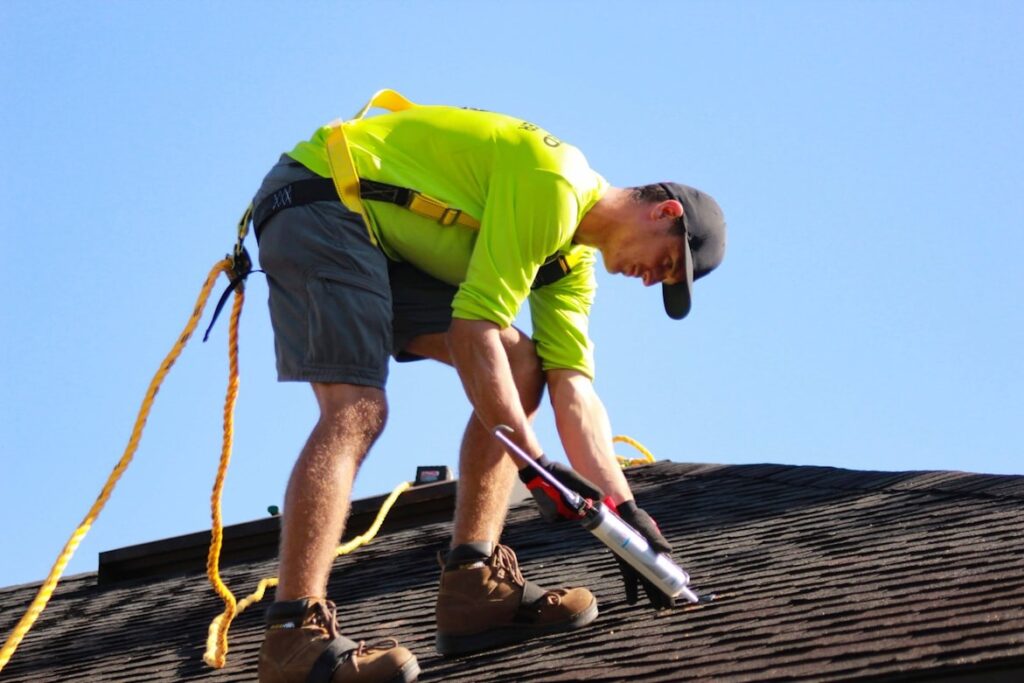
Most roof leaks do not start in the middle of a shingle field. They show up around penetrations and transitions, like chimneys, valleys, skylights, and wall intersections. This is where craftsmanship and proper layering make the difference between “looks fine” and “stays dry.”
Key leak-prevention details include:
- Correct step flashing at walls and chimneys
- Ice-and-water style underlayment in vulnerable zones
- Clean valley design with proper water channeling
- Pipe boots that fit tight and seal correctly
- Drip edge at eaves and rakes to control runoff
When these pieces are rushed or mismatched, water finds a path. When they are done right, the roof sheds water the way it was designed to.
Use Impact-Resistant Options Where Hail Is A Risk
Hail can turn a roof into a maintenance headache fast. Even when there is no obvious hole, bruised shingles can lose granules and age early, which weakens the roof’s surface over time. If your area sees hail events, impact resistance is worth a close look.
An insurance research organization reported that its team evaluated a record 24 impact-resistant shingle products in a recent set of ratings. That kind of testing matters because “impact-resistant” is not a single standard across all products – performance can vary, and verified ratings help homeowners compare choices more confidently.
Make Ventilation And Insulation Part Of The Roofing Plan
A roof that cannot breathe tends to fail early. Poor ventilation traps heat in summer and moisture in winter, which can warp decking, stress shingles, and encourage mold. Balanced intake and exhaust ventilation help regulate attic temperature and manage humidity.
Insulation plays a supporting role. When insulation is uneven or too thin, heat can escape in patches and create hot spots that stress the roof from below. A good roofing plan checks the attic conditions and fixes airflow issues during the project, not after the first problem shows up.
Build A Maintenance Rhythm That Extends Roof Life
A strong roof still benefits from routine care. Debris holds moisture, clogged gutters back water up under edges, and small seal failures grow with each storm. Maintenance is not complicated, but it is easy to ignore until the ceiling stain appears.
A simple rhythm helps:
- Clear gutters and downspouts so water can drain freely
- Trim branches to reduce scraping and leaf buildup
- Check flashing and seal points after major storms
- Watch for missing granules, lifted edges, or cracked boots
- Address tiny leaks quickly before they spread
Long-lasting protection is mostly about preventing repeat water exposure. When water is managed well, the roof system can meet its expected lifespan and often exceed it.
A roof is one of the few home components that works every day without being noticed. When it is planned carefully, installed with strong details, and maintained with small, regular checkups, it can stay quiet and reliable for decades. That is what real protection looks like – fewer surprises, fewer emergency repairs, and a home that stays dry through every season.