

Constipation is one of the most prevalent and the most ignored gastrointestinal symptoms of alcohol withdrawal. Your digestive system is subject to major physiological changes when you quit drinking, which may cause bowel movements to slow to a crawl, and make the experience very uncomfortable. It is necessary to understand why alcohol withdrawal gastrointestinal symptoms are common and how to deal with them to prevent the detoxification process. This is a detailed guide to understanding the process of constipation during alcohol withdrawal and tips effective in alleviating and restoring normalcy.
Physiology of Alcohol Withdrawal Gastrointestinal Symptoms
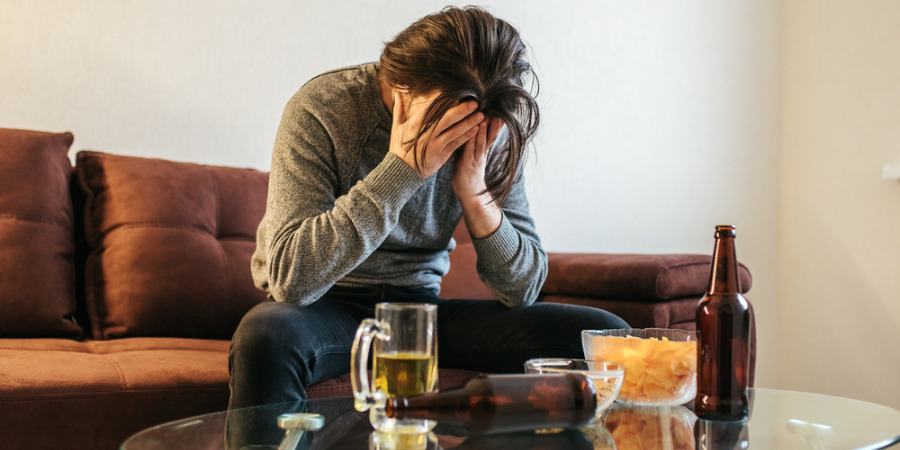
The digestive system of your body when you get rid of alcohol use requires readjustment because the body was accustomed to such a substance that significantly influences the gastrointestinal motility. Alcohol generally stimulates the digestion process and as such, the withdrawal effect is a radical deceleration in bowel movement. Your intestinal tract is feeling dehydrated due to the diuretic effect of alcohol, and drugs used to overcome withdrawal, not to mention physical stress, are also undermining your digestive efficiency.
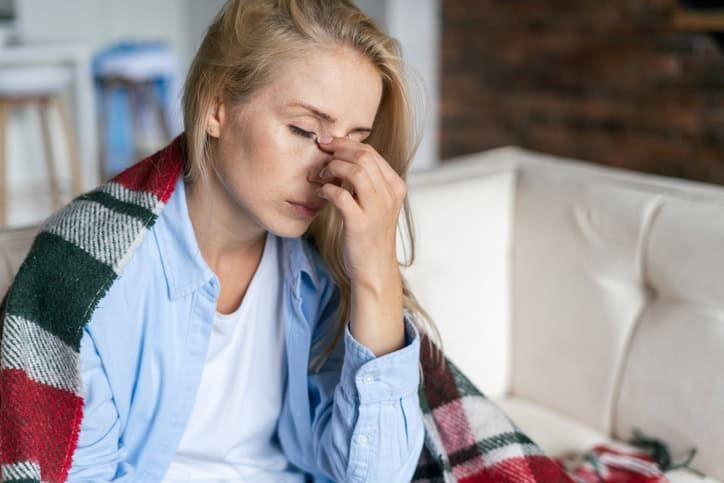
The pathology of alcohol detox digestive issues is complicated. The intestinal muscles become unresponsive, the colonic transit time becomes very high, and the nerve damage against chronic alcohol consumption disables normal digestive reflexes. Also the drugs which are usually prescribed in the withdrawal such as antidepressants and anti-anxiety drugs are often the cause of slowed down digestion. Remember that managing constipation during alcohol withdrawal involves simultaneous control of these various physiological imbalances using combined hydration, nutritional and medical therapies. The severity of these changes and the degree of your adherence to evidence-based strategies of relief determine your recovery timeline.
Hydration and Nutritional Recovery of the Digestive System.
Optimal hydration is the basis of constipation management in detox. The recommended intake is 8-10 cups of water every day, which must be supplemented by the drinks that contain electrolytes and replace the minerals that are lost during the withdrawal. This targeted fluid intake is useful in the restoration of normal bowel movement and in the overall recovery of your body.
Eating habits are synergistic to hydration efforts. Eat more fiber of 25-38 grams per day, whole grains, legumes and fresh produce, nuts. Such foods give the bulk required in the bowel movement and also contain important nutrients lost to extensive alcohol intake. Eat at a regular time to enable your intestinal muscles to rejuvenate their routine and contraction patterns.
In severe cases, laxatives in alcohol withdrawal may be required, but they should never be self-administered. The medical professional can decide what type of stool softener, osmotic laxative, or other interventions are appropriate in particular circumstances. Natural remedies such as foods high in probiotics help support gut health in detox by replenishing useful bacteria that have been damaged by alcoholism and withdrawal drugs.
Physical Exercises and Medical Care
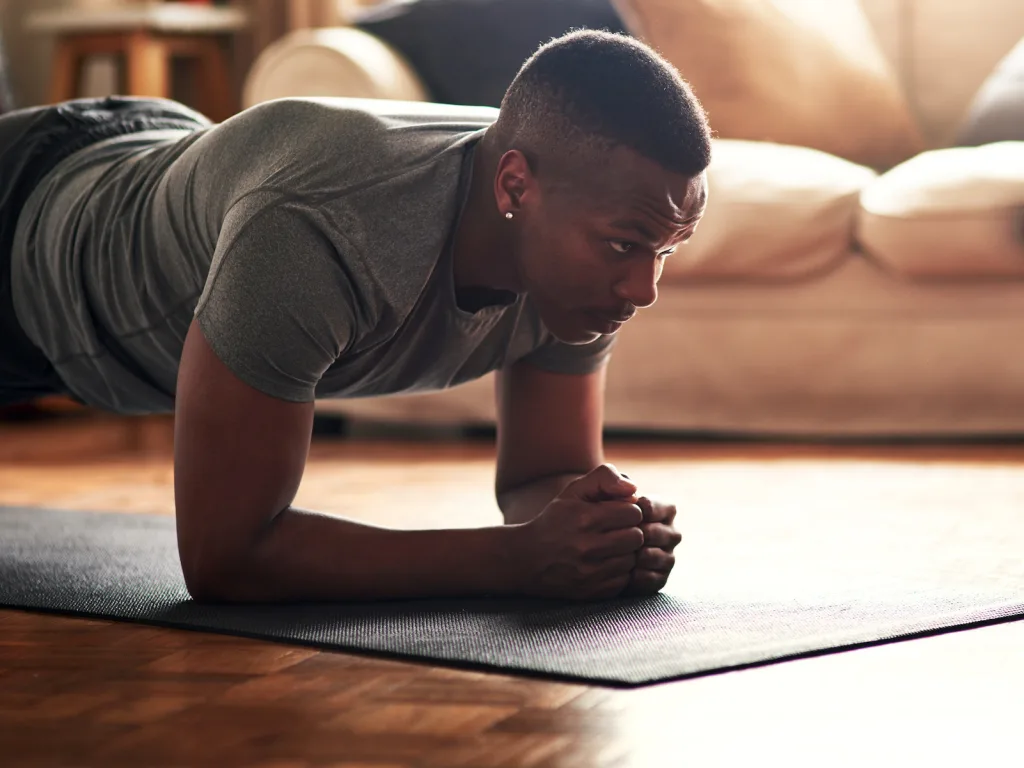
Exercise to moderation level plays a crucial role in bowel regulation during alcohol recovery. Post-meal strolls can promote peristalsis muscular contractions that help your stool pass through your intestines as well as lowering inflammation along your digestive system. Goal is 150 minutes of aerobic exercise with light stretching one a week.
Treatment of GI side-effects in detox is fully managed under professional medical supervision in detox. Your treatment team will be able to keep track of your progress, change medications that are the cause of constipation, and prescribe laxatives when necessary. They will also monitor your hydration level and nutritional levels to treat the causes of constipation instead of only treating the symptoms.
Conclusion
Alcohol withdrawal constipation is unpleasant but can be treated effectively through the combined approach of hydration, nutrition, physical exercise, and medical assistance. You can also go a long way in ensuring that you are comfortable during the process of detoxification by knowing the physiological causes of alcohol withdrawal gastrointestinal symptoms and adopting evidence-based methods of relieving them. It is necessary to remember that the regulation of the bowel condition during alcohol recovery is usually enhanced within 2-4 weeks as long as the treatment is followed. When the symptoms form and continue or increase, make sure to consult your healthcare provider always so that you are getting the right treatment depending on your unique needs.