

Quick Answer
Athletes bounce back faster by pairing precise injury assessment and rehab with structured athletic physiotherapy. Through individualized return to sport programs and targeted performance recovery strategies, they restore function, rebuild strength, and safely return to peak activity – cutting downtime and lowering re-injury risk. A professional sports injury clinic’s methods don’t just heal – they rebuild resilience, align movement patterns, and prepare the body for the demands of play.
Introduction
In the rhythm of competitive sport, an injury isn’t just a pause – it’s a pivot. How athletes respond in those critical first days often determines whether they return stronger or are sidelined longer. Rather than relying solely on rest, today’s sportsmen lean into evidence-based approaches, such as athletic physiotherapy and phased return-to-sport programs.
Timely, expert-led care makes all the difference, especially when recovery is guided by a sports injury clinic in Calgary that blends science with sport-specific insight. The result? A smarter, swifter path back to performance.
The Science Behind Athletic Recovery: From Assessment to Return
Effective athletic rehabilitation isn’t guesswork – it’s a staged, evidence-based process that moves deliberately from pain control to peak performance. What separates a rushed comeback from a sustainable one is structure: a clear roadmap that aligns tissue healing with functional demands. This is where return to sport programs shine, offering a bridge between clinical care and competitive readiness.
Modern performance recovery hinges on three pillars: accurate diagnosis, progressive loading, and sport-specific reintegration. Without this sequence, athletes risk re-injury or lingering deficits that quietly erode confidence and output.
Injury Assessment and Rehab: Pinpointing the Root Cause
Recovery begins long before the first exercise – with a thorough clinical picture. A high-quality injury assessment and rehab process starts with a detailed history: not just what happened, but how movement patterns, training load, or even sleep habits may have contributed. Objective testing follows – joint range, muscle activation, symmetry, and functional movement screens – to isolate the true source of dysfunction, not just the site of pain.
For example, a runner with knee pain might actually be compensating for limited hip mobility or weak glutes. Treating only the knee misses the point. Skilled practitioners use this data to build a working diagnosis and co-create goals with the athlete, setting realistic milestones from day one.
Phased Recovery Protocols That Work
Rehabilitation at elite levels follows a phased model that mirrors the body’s natural healing timeline while actively guiding it. Drawing from clinical best practices, this approach typically unfolds in three overlapping stages:
| Phase | Primary Focus | Duration | Key Activities |
| Recover | Pain modulation, joint mobility, basic function | 4–12 weeks | Manual therapy, low-load movement, cryotherapy, compression |
| Rebuild | Strength symmetry, tissue capacity, neuromuscular control | 4–24 weeks | Progressive resistance training, rate of force development work, balance drills |
| Resurge | Sport-specific power, agility, unpredictability | 6–12 months | Plyometrics, cutting drills, simulated game scenarios, coach collaboration |
This phased structure prevents the common trap of “feeling ready” before the body actually is. Each stage builds on the last, ensuring tissues aren’t overloaded before they’re resilient enough to handle demand.
Bridging Rehab and Performance
The final leap – from rehab exercises to full competition – is where many programs fall short. True athletic physiotherapy doesn’t stop when pain fades; it evolves. In the resurge phase, athletes train movements that mimic the chaos of real sport: rapid direction changes, reactive deceleration, and fatigue-resilient mechanics.
This is also where performance recovery intersects with coaching. Collaborating with team staff ensures drills align with seasonal demands and position-specific stressors. An ACL-recovered soccer player, for instance, won’t just regain quad strength – they’ll practice landing from headers under defensive pressure, because games aren’t played in sterile clinics.
By treating rehab as the foundation of future performance – not just a detour – athletes return not merely healed, but upgraded.
Supporting Long-Term Athletic Resilience
Returning to sport is a milestone, not a finish line. True athletic longevity comes from embedding resilience into daily habits – long after formal rehab ends. This means moving beyond passive recovery to proactive preparation, where strength, awareness, and smart load management become part of an athlete’s routine.
Building a Maintenance Mindset
Many sportsmen treat rehab as a box to check off, but those who stay injury-free over seasons adopt a maintenance mindset. This involves:
- Continuing targeted strength work even after pain resolves
- Monitoring training load with tools like session RPE or wellness logs
- Scheduling periodic movement screenings to catch asymmetries early
These practices aren’t about perfection – they’re about awareness. Small, consistent efforts prevent small issues from becoming setbacks.
Integrating Lifestyle and Recovery
Tissue repair doesn’t happen in isolation. Sleep, nutrition, and psychological stress directly influence healing rates and neuromuscular control. Athletes who prioritize:
- 7–9 hours of quality sleep per night
- Protein timing around training sessions
- Stress-reduction practices like mindfulness or breathwork
…often report faster adaptations and sharper focus during high-demand phases. Recovery isn’t just what happens in the clinic – it’s what happens in the kitchen, the bedroom, and the quiet moments between sessions.
Collaborating Across the Performance Team
Long-term success thrives on alignment. When physiotherapists, strength coaches, and sport coaches share a common understanding of an athlete’s status and goals, programming becomes cohesive rather than conflicting. This collaboration ensures:
- Strength work complements rehab milestones
- Return-to-play progressions match tactical demands
- Load is managed holistically across practices, games, and gym sessions
In this ecosystem, athletic physiotherapy evolves from reactive care to a cornerstone of performance strategy – helping athletes not just return, but thrive.
How Structured Return to Sport Programs Drive Confident Comebacks
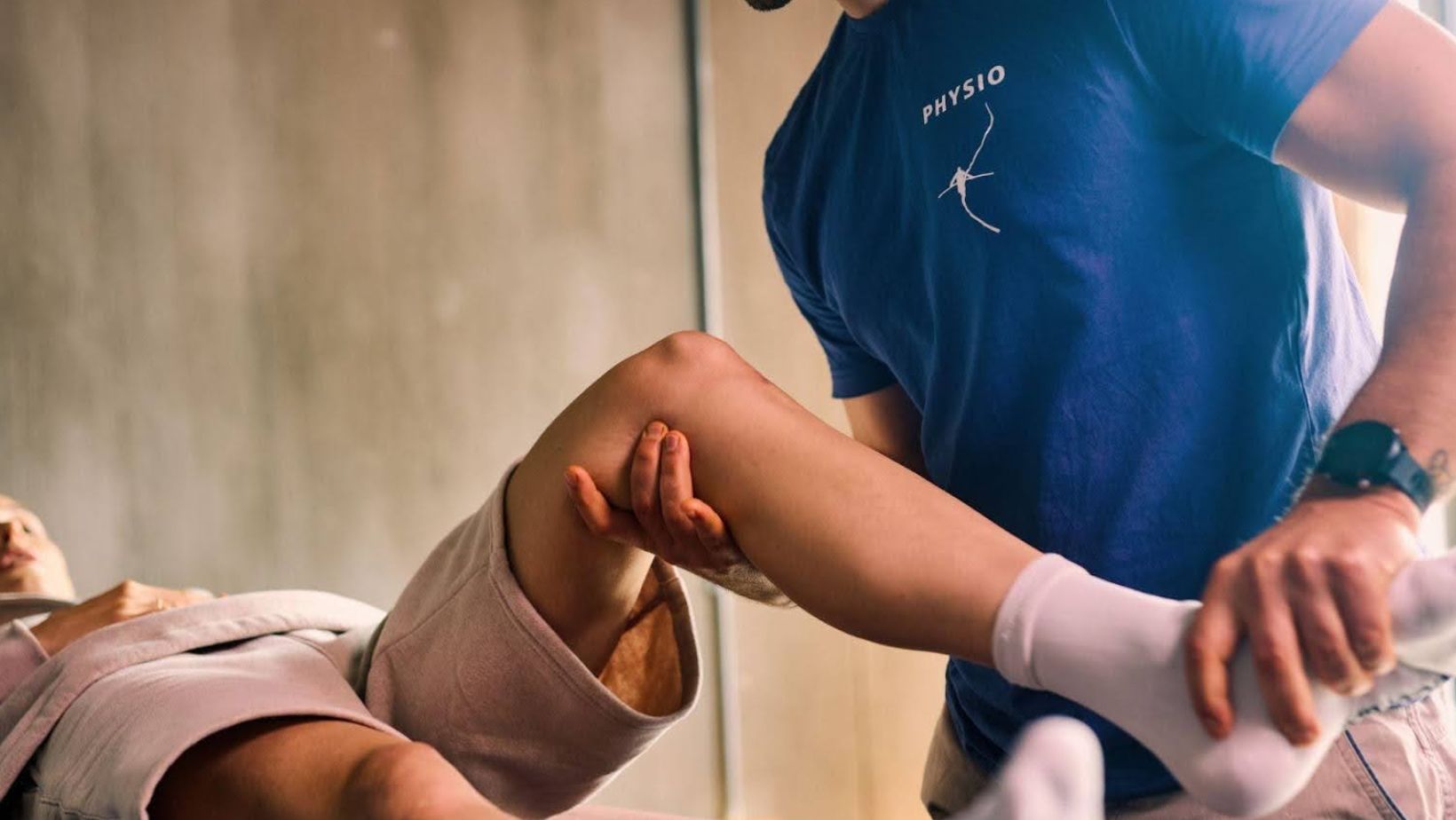
A successful return to competition hinges on more than healed tissue – it requires retraining the body to handle the speed, chaos, and split-second decisions of real sport. Generic rehab rarely prepares athletes for this leap. That’s why evidence-based return-to-sport programs are essential: they systematically rebuild not just strength, but also timing, confidence, and sport-specific resilience.
These programs are built on objective criteria, not arbitrary timelines. Sportsmen don’t progress because “it’s been 12 weeks” – they progress because they’ve hit measurable benchmarks in strength symmetry, movement control, and psychological readiness. This structure minimizes the guesswork and reduces the fear that often lingers after injury.
Objective Milestones Over Calendar Dates
Rather than relying on time since injury, modern protocols use performance-based gateways. Common criteria include:
- Achieving at least 90% limb symmetry in strength and hop tests
- Demonstrating pain-free control during deceleration and cutting
- Passing sport-specific drills under fatigue
When these boxes are checked, the athlete isn’t just cleared – they’re prepared. This approach aligns closely with the phased model used in leading athletic physiotherapy settings, where performance recovery is tracked through functional metrics, not just symptom absence.
Reintegrating Under Real Conditions
The final phase of return to sport isn’t practiced in silence – it’s rehearsed under pressure. Athletes gradually face:
- Increasingly unpredictable movement scenarios
- Game-speed reactions with cognitive load (e.g., responding to cues while fatigued)
- Controlled exposure to contact or collision, when applicable
This controlled re-exposure rebuilds neural pathways and restores instinctive movement patterns that can’t be replicated in isolation. Working alongside coaching staff ensures drills mirror actual gameplay, making the transition seamless.
By treating return to sport as a skill to be relearned – not just a permission slip to play – athletes come back sharper, safer, and more self-assured. And that confidence, as much as physical readiness, defines a true comeback.
Smart Recovery Strategies for Athletic Comebacks
A thoughtful, phased approach to healing – rooted in athletic physiotherapy, precise injury assessment and rehab, and structured return to sport programs – turns injury into an opportunity for growth. By prioritizing performance recovery and long-term resilience, athletes not only return to play but also return better prepared.