

If you live with chronic pain, you know the “Big Pharma” cycle all too well: the monthly doctor visits, the pharmacies treating you like a suspect, and the heavy fog of prescription opioids. It’s no wonder Canadians are looking for an exit. Enter 7-Hydroxymitragynine (7-OH). It’s being hailed by some as a miracle alternative and by others as a dangerous new “legal high.” But when you strip away the hype, how does it actually stack up against traditional pain pills?
The Benefits: Why People are Swapping The biggest draw for 7-OH is its atypical pharmacology. Traditional opioids like Oxycodone or Morphine are “full agonists” that recruit a protein called beta-arrestin. In the science world, beta-arrestin is often blamed for the most dangerous side effects, like severe respiratory depression (the thing that actually stops your breathing in an overdose) and crippling constipation.
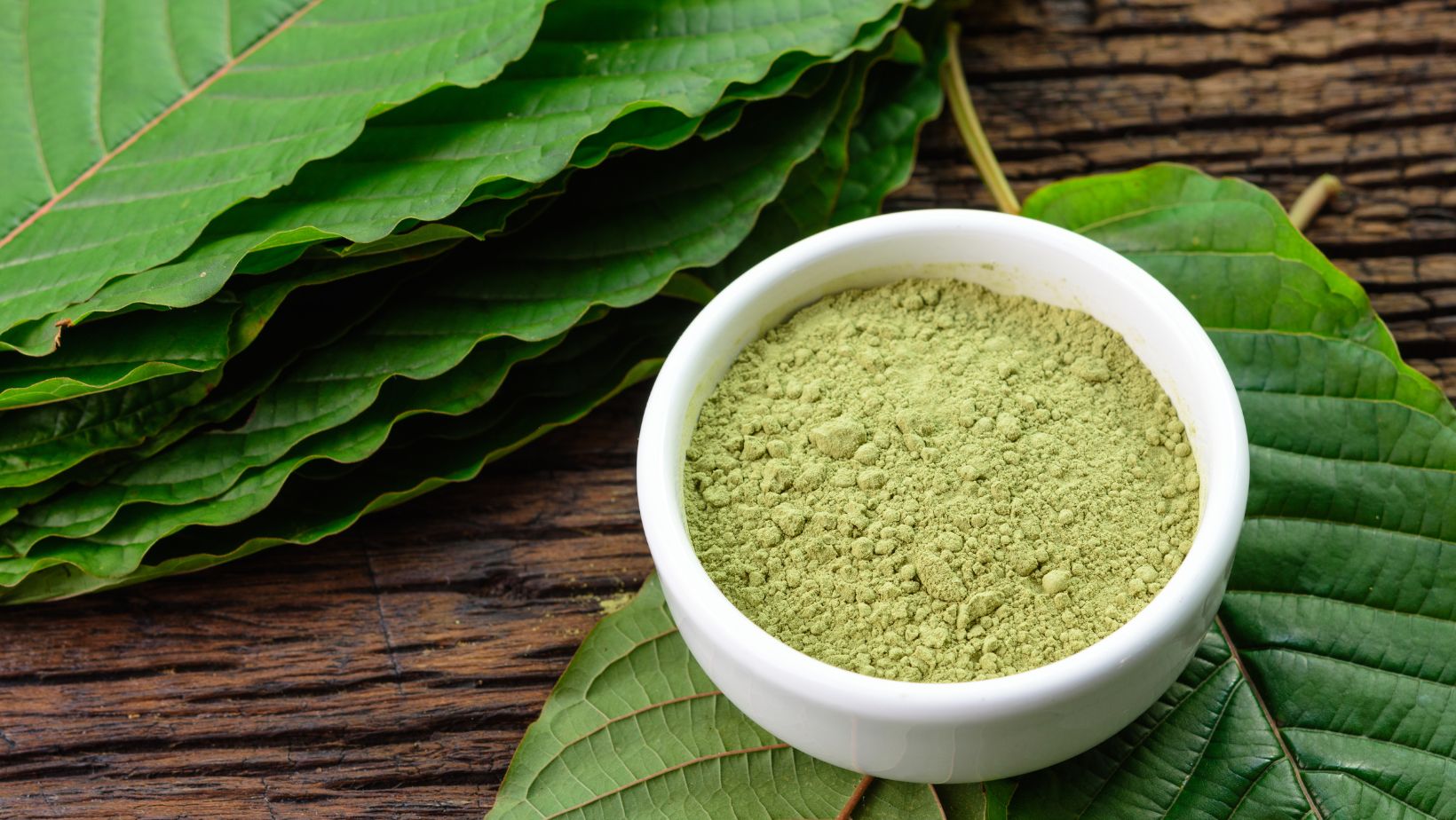
7-OH, however, is what researchers call a biased agonist. In plain English: it hits the pain-relief receptors hard but doesn’t seem to trigger that same “danger protein” as easily. This suggests a wider safety margin. For a pain patient, this means significant relief—often described as a “warm, heavy blanket” of comfort—without the intense respiratory risk. Plus, there’s the access factor. You don’t need a grueling appointment or a health insurance battle; you just need a reputable local 7OH Canada vendor who understands the landscape.
The Downfalls: The Hidden Costs It sounds too good to be true, and in some ways, it is. The primary downfall of 7-OH is its potency. Because it is so concentrated, it can skyrocket your tolerance. If you aren’t careful, you can hit a “wall” where neither 7-OH nor your old prescription pills work anymore. This is a common trap for people who don’t take “tolerance breaks.”
Then there’s the withdrawal. While many users find 7-OH withdrawal “lighter” than coming off a heavy Percocet habit, it is still very real. You can expect the “kratom flu”: restless legs, anxiety, and a few days of feeling like a shell of a person. Finally, we have to talk about regulation. Unlike a pharmacy pill, which is manufactured under strict government watch, 7-OH is currently a “buyer beware” market. If your vendor isn’t providing third-party lab tests (COAs), you have no idea if you’re getting pure 7-OH or a tablet spiked with something nasty.
The Verdict Is 7-OH “better” than a prescription? It depends on your goal. If you’re looking for a tool with a potentially lower risk of fatal overdose and fewer “zombie-like” side effects, 7-OH is a compelling option. But it demands a level of self-discipline that a doctor-monitored prescription doesn’t.
If you decide to make the jump, do it with your eyes open. Start with the smallest dose possible, never skip the lab reports, and remember: just because it’s botanical doesn’t mean it isn’t powerful.