
Most people think about health in terms of gym memberships and diet plans. But some of the most effective tools for staying well are the smaller, quieter ones, the ones sitting on a shelf at a pharmacy or buried three pages deep in a search result. The best health accessories are often overlooked precisely because they don’t shout for attention. This list changes that.
Sleep and Recovery Tools That Actually Move the Needle
Sleep and recovery are where a lot of health gains (or losses) happen, and a few well-chosen tools can make a real difference in how your body performs during those hours.
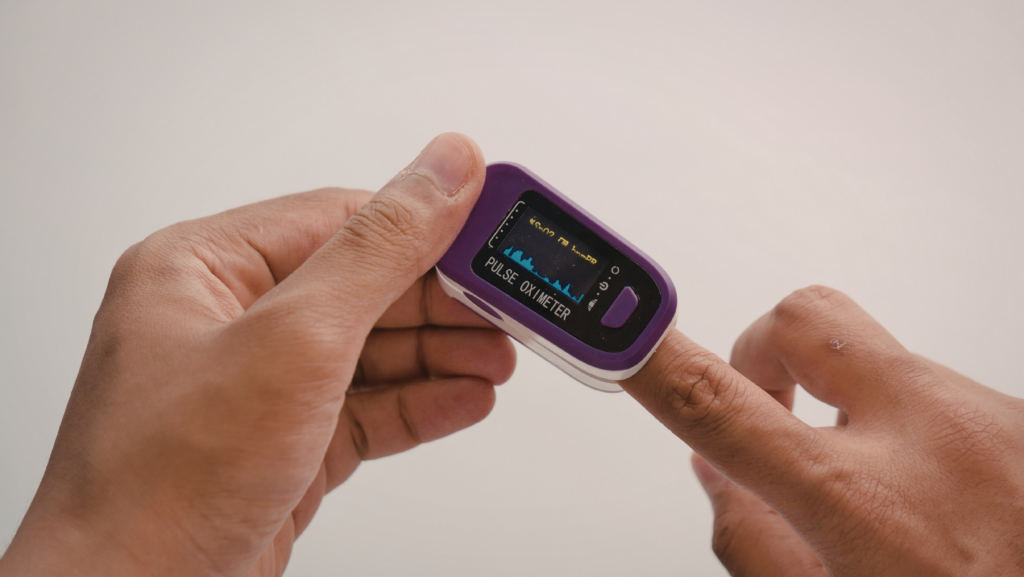
Pulse Oximeters
A pulse oximeter clips onto a fingertip and reads blood oxygen saturation in seconds. While they became widely known during the COVID-19 pandemic, they have been used in clinical settings for decades. For people with asthma, sleep apnea, or heart conditions, having one at home means catching drops in oxygen levels before they become emergencies.
For healthy individuals, they are useful during high-altitude travel or intense training. Normal readings typically fall between 95% and 100%. Anything below 90% warrants medical attention.
Percussive Massage Devices
Percussion therapy guns have moved well beyond professional sports teams and physiotherapy clinics. These handheld devices deliver rapid bursts of pressure into muscle tissue, helping with:
- Reducing delayed onset muscle soreness (DOMS) after workouts
- Breaking up muscle knots and tight fascia
- Improving local circulation before or after physical activity
They are not a replacement for proper stretching or professional massage, but as a daily recovery tool, they hold up well. Look for models with adjustable speed settings and interchangeable head attachments for different muscle groups.
Sleep Tracking Rings and Bands
Wrist trackers have been around for years, but finger-worn sleep trackers offer more accurate heart rate and body temperature data due to better skin contact. These devices track sleep stages, resting heart rate, and heart rate variability (HRV), a metric that gives useful insight into recovery and stress levels.
HRV is worth paying attention to. A consistently low HRV can indicate overtraining, poor sleep quality, or chronic stress long before other symptoms appear.
Real-Time Health Monitors Worth Having at Home
Staying on top of your health used to mean waiting for a doctor’s appointment. A growing category of health accessories puts that information closer to hand.
Continuous Glucose Monitors (CGMs)
Once reserved for people with diabetes, continuous glucose monitors are now being used by athletes, biohackers, and anyone curious about how food affects their energy levels. A small sensor sits just under the skin and sends glucose readings to a smartphone app throughout the day.
What many people discover is surprising: foods they assumed were “healthy” can cause significant glucose spikes, while others have almost no effect. That kind of real-time feedback is difficult to get any other way.
|
Feature |
Traditional Glucose Meter |
Continuous Glucose Monitor |
|
Measurement frequency |
On-demand (finger prick) |
Every few minutes, automatically |
|
Data type |
Single point reading |
Trends and patterns over time |
|
Pain level |
Moderate (daily pricks) |
Low (sensor worn for 10-14 days) |
|
Best for |
Diabetes management |
Metabolic awareness, performance |
|
Cost |
Low upfront |
Higher, subscription-based |
Blood Pressure Cuffs
Hypertension affects roughly 1.28 billion adults worldwide, according to the World Health Organization, and a large percentage of those people don’t know they have it. Home blood pressure monitors have become significantly more accurate and affordable, and using one regularly removes the “white coat effect” that can skew readings taken at a clinic.
Upper arm cuffs are generally more reliable than wrist models. Look for devices validated by medical organizations, and measure at the same time each day for consistent comparisons.
Smart Thermometers
The humble thermometer has gotten an upgrade. Smart versions sync with apps to log temperature over time, which is genuinely useful during illness, both for tracking whether a fever is climbing or breaking, and for sharing accurate data with a doctor remotely.
Some models also support temporal artery scanning (forehead), which is faster and less disruptive than oral or underarm methods, particularly useful for children.
Wearables That Do More Than Count Your Steps
The first wave of fitness wearables made counting steps feel revolutionary. The current generation does considerably more, and some of the most useful devices in this category are the ones people underestimate.
Medical Alert Bracelets
Medical alert bracelets often get dismissed as old-fashioned, but modern versions are genuinely sophisticated. For people with severe allergies, epilepsy, diabetes, or complex medication regimens, wearing one can give first responders critical information in seconds when the wearer can’t communicate.
Some newer versions are digital, linking to a QR code or NFC chip that gives access to a full medical profile. Even for relatively healthy individuals with a single important condition, medical alert bracelets remain one of the most practical health accessories available.
Posture Correctors and Wearable Sensors
Chronic back and neck pain is frequently linked to sustained poor posture, particularly among people who work at desks. Wearable posture sensors attach to the upper back and vibrate gently when slouching is detected, creating a feedback loop that gradually trains better habits.
They work best when used consistently over several weeks rather than as a one-time fix. Some pair with apps that track posture trends throughout the day, which can help identify specific times (usually mid-afternoon) when posture tends to collapse.
Low-Tech Health Accessories With High Impact
Not every effective health accessory needs to be electronic or expensive. Some of the best health accessories are straightforward, durable, and useful for years.
Resistance Bands
Resistance bands are one of the most versatile pieces of equipment available for home use. A good set covers:
- Rehabilitation exercises for common injuries (rotator cuff, knees, lower back)
- Strength training for travel or small spaces
- Mobility and flexibility work, particularly for hip flexors and the thoracic spine
- Warm-up activation work before heavier lifting
Latex loop bands, fabric booty bands, and long tube bands with handles each serve slightly different purposes, so a mixed set offers more flexibility than any single type.
UV Sanitizing Wands and Phone Sanitizers
UV-C light has been used in medical settings to sanitize surfaces and equipment for decades. Consumer versions, either wand-style or box-style sanitizers, can reduce bacterial and viral contamination on frequently touched items like phones, keys, and earbuds.
The evidence on their real-world effectiveness varies depending on exposure time and surface type, but for people with compromised immune systems or in environments with higher pathogen exposure, they are a reasonable addition to a hygiene routine.
Foam Rollers
Foam rolling remains one of the most evidence-backed tools for myofascial release, the process of releasing tension in the connective tissue surrounding muscles. Regular use before or after exercise can improve range of motion, reduce muscle soreness, and help maintain tissue quality over time.
Denser rollers with textured surfaces (often called “trigger point” rollers) offer more targeted pressure. Smoother, softer versions are better for those new to the practice or with sensitive muscles.
Building a Health Toolkit That Gets Used
With so many options out there, it’s easy to feel like building a health toolkit requires buying everything at once. It doesn’t. The most practical approach is identifying one or two areas where current tools are lacking, whether that’s sleep quality, cardiovascular monitoring, recovery, or musculoskeletal health, and starting there.
The best health accessories are the ones that get used consistently, not the ones with the longest feature list. A pulse oximeter that lives on a nightstand and gets checked regularly is worth far more than a sophisticated device sitting in a drawer. Choosing tools that fit naturally into daily habits is what separates useful health accessories from expensive clutter.